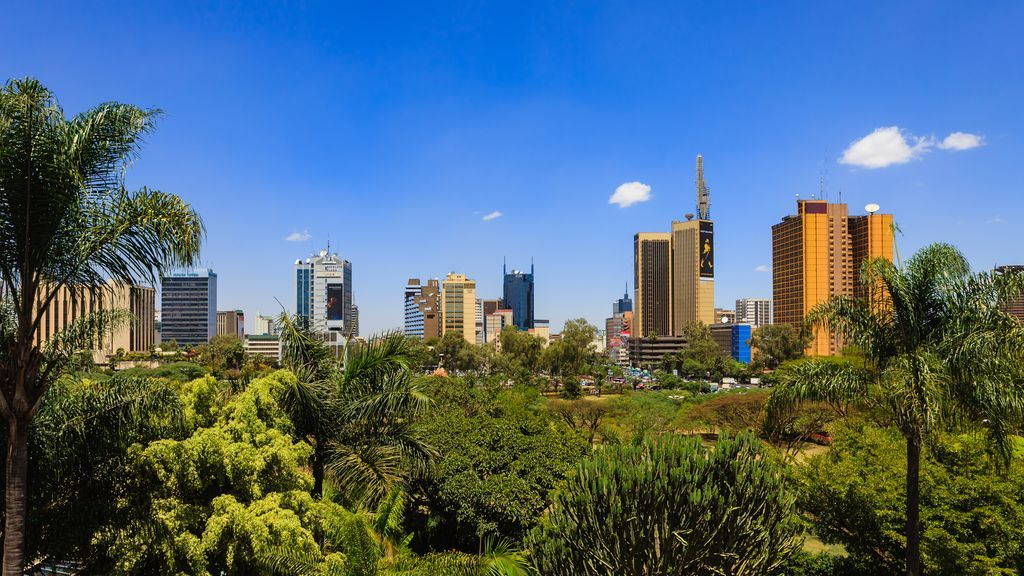

Kenya’s capital, Nairobi, has earned global recognition for its efforts to protect and expand urban green spaces, after being named among cities honoured under the Tree Cities of the World programme by the Food and Agriculture Organisation (FAO) and the Arbour Day Foundation.
The latest list, released this week, recognises 283 cities worldwide that have demonstrated a sustained commitment to urban forestry, a growing pillar in the fight against climate change, air pollution and urban heat.
Nairobi is the only city in Kenya on the list, placing it among a select group of African capitals and municipalities that are prioritising trees as critical infrastructure.
Across the continent, other recognised cities include Accra and Kumasi in Ghana, Kampala (Uganda), Addis Ababa (Ethiopia), Rabat (Morocco) and Tunis (Tunisia). South Africa had the largest representation, with Johannesburg, Pretoria, Cape Town and Durban all making the cut.
The Tree Cities of the World initiative, jointly run by FAO and the Arbour Day Foundation, sets five core standards for participating cities. These include establishing clear responsibility for tree management, enacting policies to protect urban forests, maintaining up-to-date tree inventories, allocating dedicated budgets, and holding public events to celebrate and raise awareness about trees.
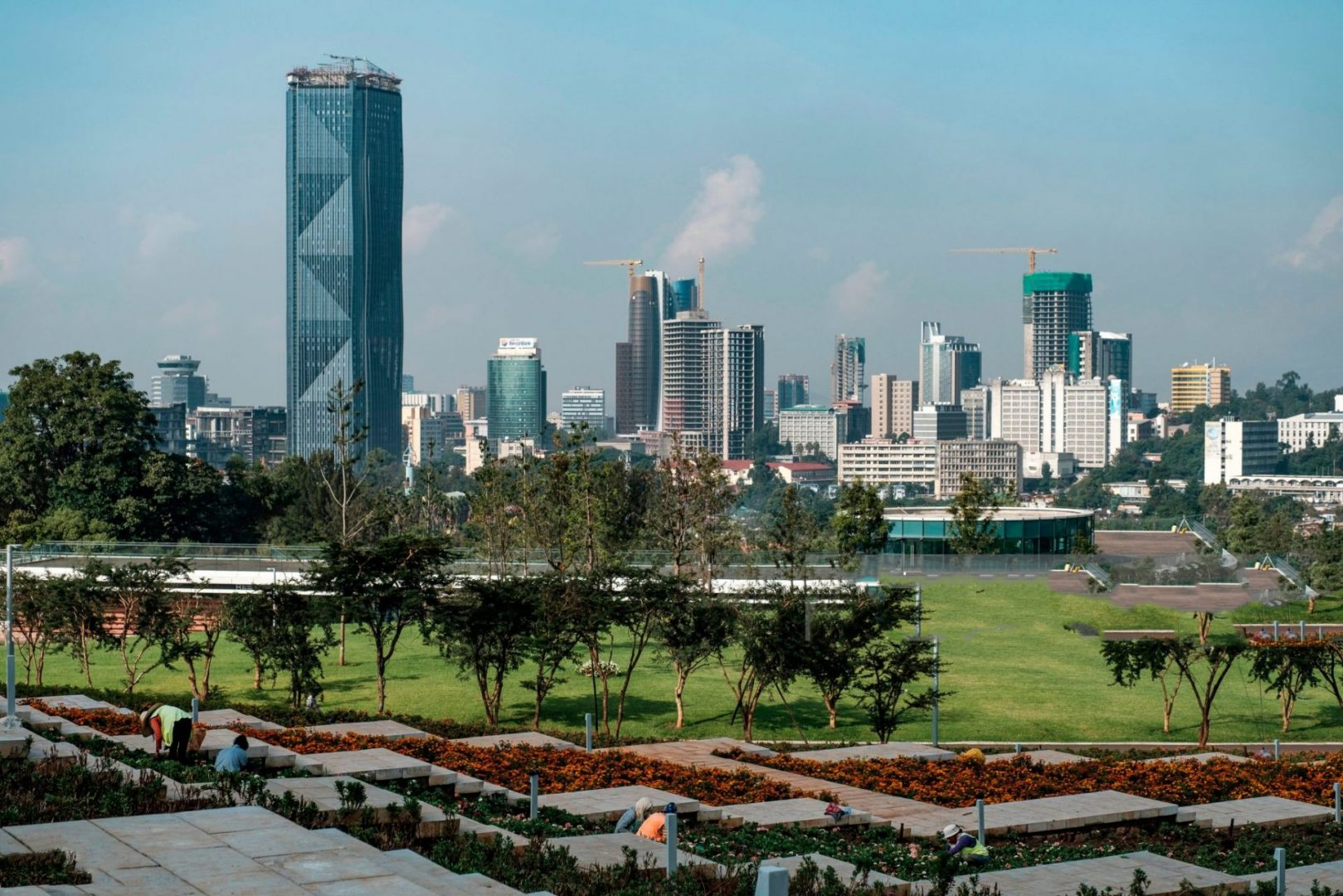
In a statement accompanying the announcement, FAO said cities recognised under the programme are leading the way in integrating nature-based solutions into urban planning, noting that urban forests are increasingly vital in buffering cities against extreme weather, reducing flood risks, and improving public health.
Nairobi’s recognition comes at a time when the city is grappling with rapid urbanisation, shrinking green spaces and mounting climate pressures, including recurrent flooding linked to poor land use and deforestation in upstream catchments.
Urban planners and environmental experts say the designation is both an endorsement and a challenge.
“Nairobi has made notable progress in restoring tree cover and protecting key ecosystems like Karura and Ngong forests,” said an urban forestry expert. “But the real test is whether this recognition translates into stronger enforcement against encroachment and more investment in green infrastructure across all neighbourhoods.”
The recognition aligns with Kenya’s broader environmental ambitions, including the national target to grow at least 15 billion trees by 2032. Nairobi’s role is seen as critical, given its position as both an economic hub and one of the fastest-growing cities in Africa.
Globally, the Tree Cities of the World network continues to expand, reflecting a shift in how cities view trees as essential systems for climate resilience and sustainable urban living.