
Meteorologists are warning that a possible return of the El Niño weather phenomenon later this year could reshape rainfall patterns in Kenya and trigger extreme weather across the globe, even as uncertainty remains over its exact timing and strength.
Forecasts from major climate centres, including the U.S. National Oceanic and Atmospheric Administration (NOAA), indicate a growing likelihood of El Niño forming by mid to late 2026, with some models suggesting it could strengthen toward the end of the year.
The World Meteorological Organisation (WMO) says the current La Niña conditions in the Pacific Ocean are fading, with the climate system expected to shift into a neutral phase in the coming months. Forecast models show about a 60–70 per cent likelihood of neutral conditions between March and June 2026.
However, beyond mid-year, the probability of El Niño formation begins to rise. WMO projections indicate the likelihood increasing to around 40 per cent between May and July, while other global models suggest the chances could exceed 50 per cent later in the year.
Scientists say this transition is part of the El Niño–Southern Oscillation (ENSO) cycle, a natural climate pattern that periodically warms the equatorial Pacific Ocean and disrupts weather systems worldwide.
In Kenya, early signals already point to a complex year ahead. Seasonal forecasts indicate near-normal rainfall for the March–May “long rains,” but with higher-than-normal temperatures likely to stress already vulnerable communities.
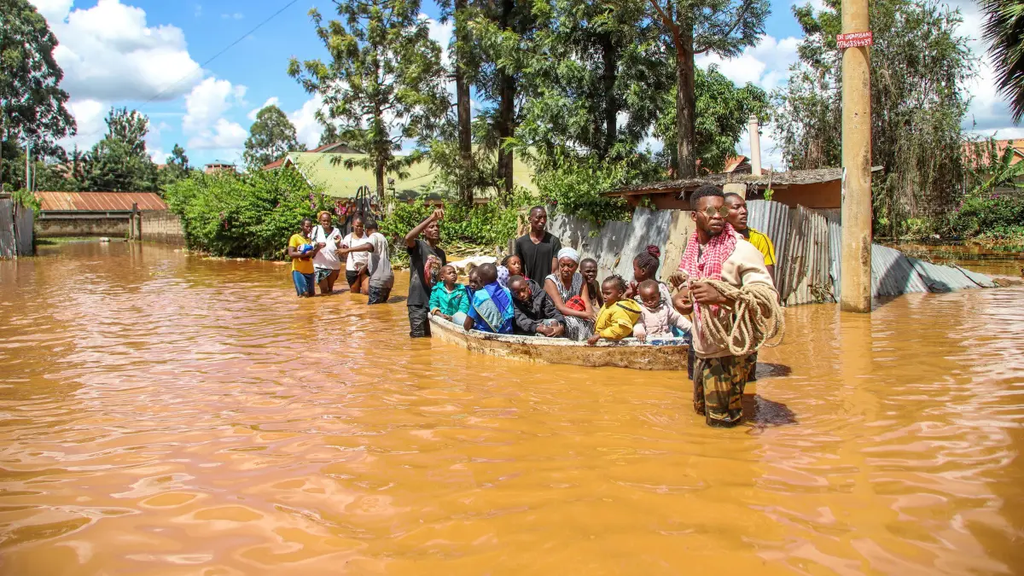
Local meteorological assessments suggest that if El Niño develops later in the year, it could enhance rainfall, particularly during the short rains season, raising the risk of floods.
Previous El Niño events have had devastating consequences in the country. The 2023–2024 episode triggered widespread flooding, infrastructure damage, and displacement across several counties.
Experts caution that even before El Niño fully forms, the transition period can bring erratic weather. Reports indicate a possible delay in early-season rains followed by heavier precipitation later in the year if warming intensifies in the Pacific.
Globally, scientists warn that a new El Niño could amplify already rising temperatures driven by climate change. Some projections suggest the phenomenon could push global temperatures toward record highs in the next two years.
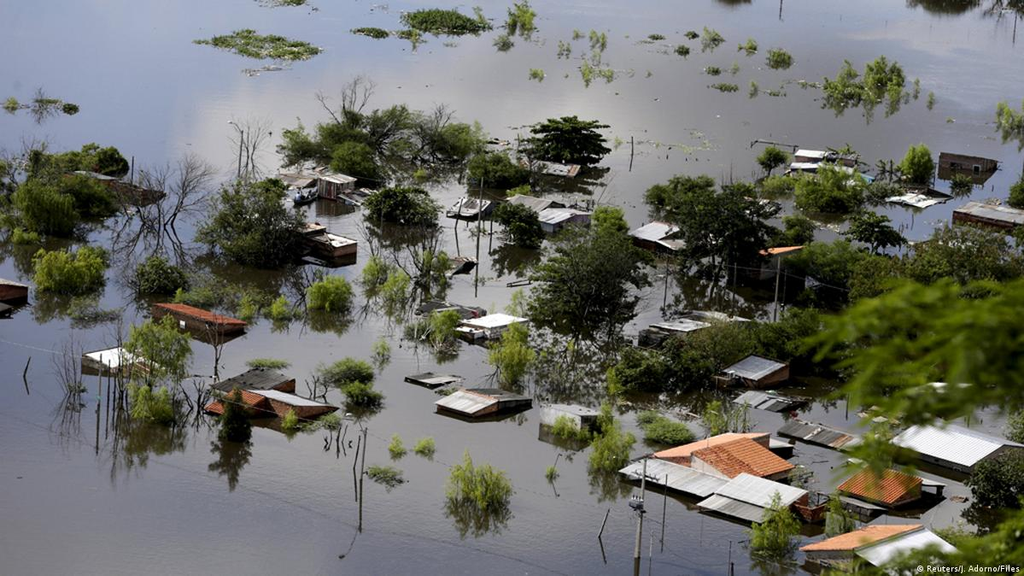
El Niño typically redistributes heat and moisture across the planet, bringing floods to parts of East Africa and South America, while causing droughts in regions such as Australia and Southeast Asia.
For Kenya, this means preparing for multiple scenarios, from modest rains that fail to ease drought conditions to intense downpours that could trigger flooding.
Climate experts say the rising probability of El Niño underscores the need for early planning in agriculture, water management, and disaster response.
The WMO notes that its seasonal forecasts are designed to help governments anticipate risks such as floods, droughts, and food insecurity.