
A fresh conservation battle is unfolding in Nairobi National Park after reports of large-scale forest clearing linked to a parking complex of Bomas International Convention Centre.
At the centre of the storm are reports of ongoing clearing of nearly 100 acres of upland forest, allegedly to pave the way for the relocation of the Nairobi Animal Orphanage and the construction of a 1,300-vehicle parking facility linked to the Bomas project.
The Kenya Wildlife Service (KWS) has defended the project, framing it as a necessary modernization effort. In its statements, the agency maintains that the relocation of the animal orphanage is intended to improve animal welfare standards and decongest its current site, while associated infrastructure will support tourism and national development goals.
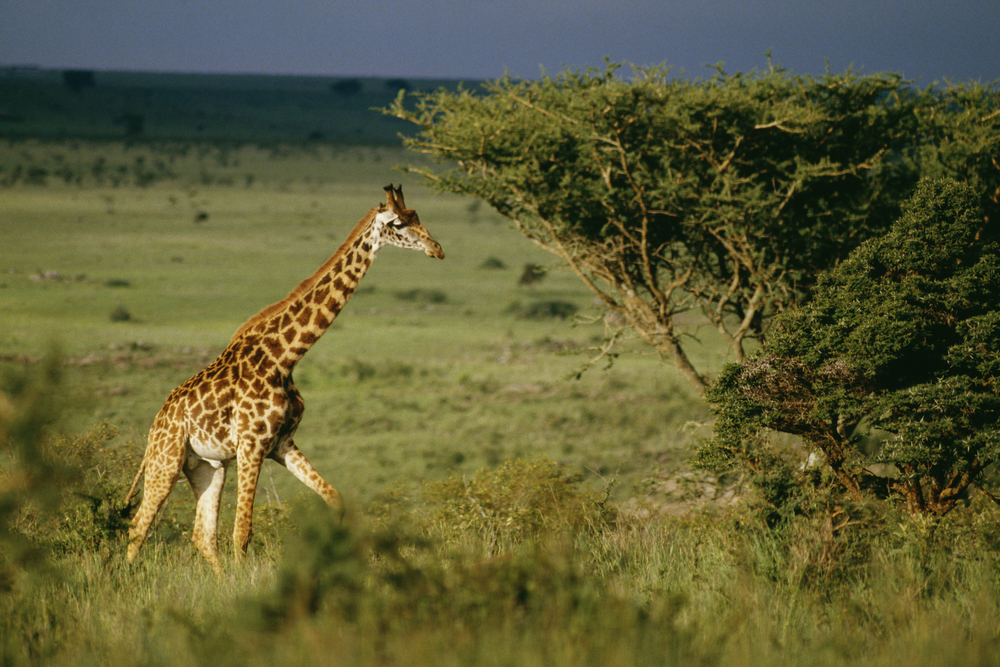
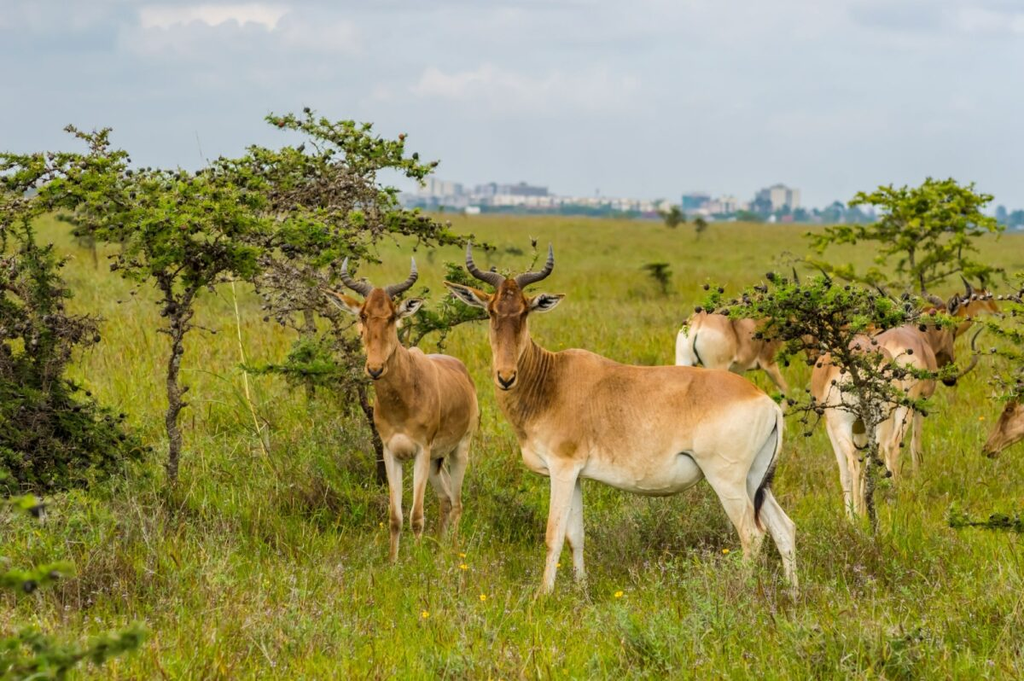
But critics argue the explanation sidesteps a more troubling reality as the contested area falls within a designated Low Use Zone under the park’s management plan. This land is meant to remain largely undisturbed as it is particularly sensitive, as it provides refuge for species including rhinos, Maasai giraffes, and predators that rely on relatively undisturbed terrain. Fragmenting this space with roads and parking infrastructure could alter movement patterns and increase human-wildlife conflict.
Environmentalists say any encroachment here sets a dangerous precedent, effectively redrawing the boundaries of what “protected” means.
“This is not just about an orphanage or a parking lot,” Friends of Nairobi National Park (FoNNaP) warn. “It is about whether we are willing to sacrifice critical habitats for convenience.”
What is happening inside Nairobi National Park is not an isolated incident, but part of a broader pattern that conservationists say is tightening around Nairobi’s remaining green spaces.
In recent months, sections of Karura Forest have come under scrutiny over proposed developments and infrastructure expansions. Public outcry has repeatedly forced reviews and reversals, but the pressure has not eased.
Similarly, Ngong Forest has faced controversy over plans for the construction of recreational facilities and other projects that critics say risk fragmenting one of the city’s key water catchments.
“We are witnessing a gradual normalization of intrusion into protected forests,” said a representative from Friends of Karura Forest, who has now joined FoNNaP in opposing the developments inside the national park. “Each project is justified on its own terms, but cumulatively, they are eroding Nairobi’s ecological backbone.”
Nairobi’s forests of Karura, Ngong, and the wooded stretches within Nairobi National Park function as vital carbon sinks, temperature regulators, and water catchments in a city already grappling with rising heat, erratic rainfall, and air pollution.
Losing even sections of upland forest, experts warn, could disrupt habitat connectivity, reduce biodiversity resilience, and weaken the city’s natural defenses against climate change.
FoNNaP has launched the SAVE NNP campaign, calling for an immediate halt to all ongoing works and a full public disclosure of project approvals, insisting that Kenya’s protected areas must not be incrementally converted into commercial extensions of the city.
“National parks are not parking lots,” the group says in its petition, urging citizens to intervene before irreversible damage is done.
The campaign is gaining traction online and within Nairobi’s growing environmental movement, drawing support from civil society groups, conservationists, and ordinary residents who see the park as part of the city’s identity.
The controversy is a test of Kenya’s environmental governance at a time when global attention on conservation and climate action is intensifying. If development proceeds within legally protected zones, critics argue, it could weaken public trust in conservation frameworks and embolden similar projects elsewhere.