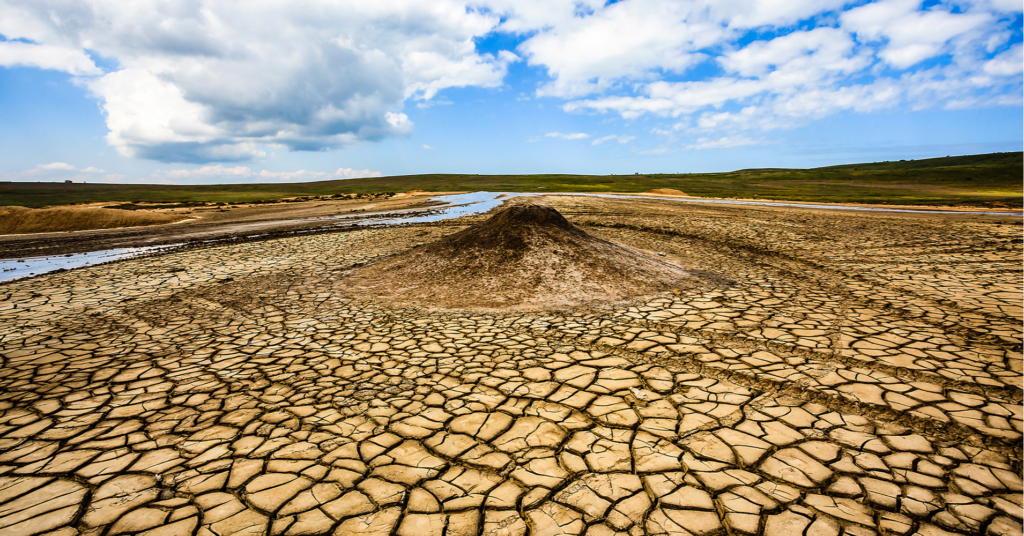

Land degradation is quietly eroding Africa’s ability to feed itself, threatening livelihoods, ecosystems and national economies, a new report by the UN’s Food and Agriculture Organization (FAO) warns.
The report, State of Food and Agriculture 2025, finds that more than a third of the world’s land is already degraded, with Africa being among the hardest hit regions.
In Kenya and across the continent, declining soil fertility, deforestation, overgrazing and poorly managed expansion of agriculture are reducing productivity at a time when food demand is rising sharply due to population growth and climate stress.
FAO notes that land degradation does not affect all farmers equally. Smallholder farmers, who produce the bulk of food consumed in Africa, are often trapped in a vicious cycle where declining soil health lowers yields, reduces income and limits their ability to invest in restoration.
At the same time, large-scale landholdings and commercial agriculture, when poorly regulated, can accelerate degradation through monocropping, excessive chemical use and conversion of forests and rangelands.
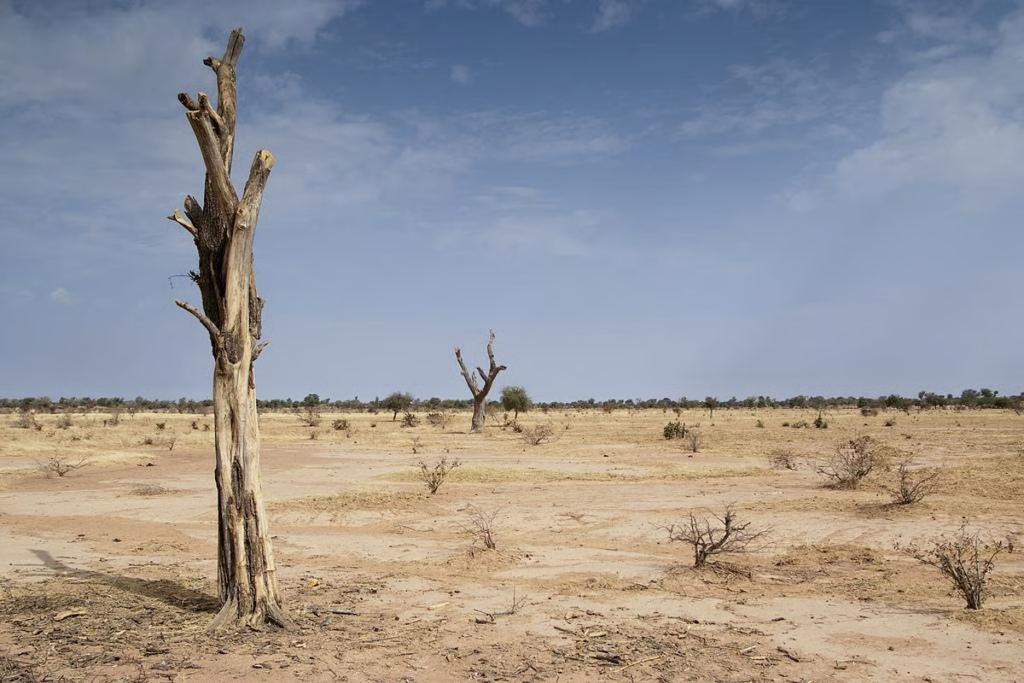
In Kenya’s arid and semi-arid lands, overgrazing and drought have stripped soils bare while in high-potential farming zones intensive cultivation has exhausted nutrients. FAO warns that without intervention, these losses will grow as climate change intensifies droughts, floods and soil erosion.
The report stresses that addressing land degradation requires solutions tailored to different landholding scales. For smallholders, FAO highlights the need for secure land tenure, access to credit, extension services and climate-smart practices such as agroforestry, crop rotation, conservation tillage and organic soil amendments. These approaches, it says, can restore soil health while boosting yields and resilience.
For medium and large landholders, FAO calls for stronger regulation and incentives to promote sustainable land use, including responsible investment standards, landscape-level planning and enforcement of environmental safeguards. The report argues that large farms can play a positive role if they adopt regenerative practices, restore degraded land and integrate biodiversity into production systems.
The report also urges governments to align land policies with food, climate and biodiversity goals. Fragmented approaches, FAO warns, often undermine progress, with agricultural expansion clashing with conservation and climate commitments. Integrated land-use planning, backed by reliable data and local participation, is presented as essential for sustainable development.