

Christmas season in Kenya has a familiar rhythm. Roads swell with traffic as families travel upcountry and to entertainment spots. Markets buzz, butcheries glow red with hanging meat, and supermarkets stack plastic-wrapped abundance into towering displays. Music spills into the night, nyama choma crackles over open fires, and for a brief moment, the year’s burdens feel lighter.
Yet beneath this joy lies a quieter story, one written in smoke, plastic, waste and noise. The festive season, for all its warmth, carries an environmental cost that we rarely pause to count.
Every journey home leaves a trace. The long convoys of personal cars and PSV vehicles rushing to ferry travelers upcountry release increased levels of greenhouse gases into an already stressed atmosphere. Traffic jams do more than test patience as idling engines pump carbon dioxide and pollutants into the air we all share.
Then there is the table. Kenyans celebrate with generosity, and meat sits at the centre of it all. Goats, cows, sheep and chickens slaughtered in numbers that spike dramatically in December. Livestock farming is deeply woven into our culture and economy, but it is also one of the biggest contributors to methane emissions, a greenhouse gas far more potent than carbon dioxide. Add the charcoal used to roast that meat, often sourced from unsustainably cut trees, and the festive meal begins to carry the shadow of deforestation, land degradation, and warming skies.
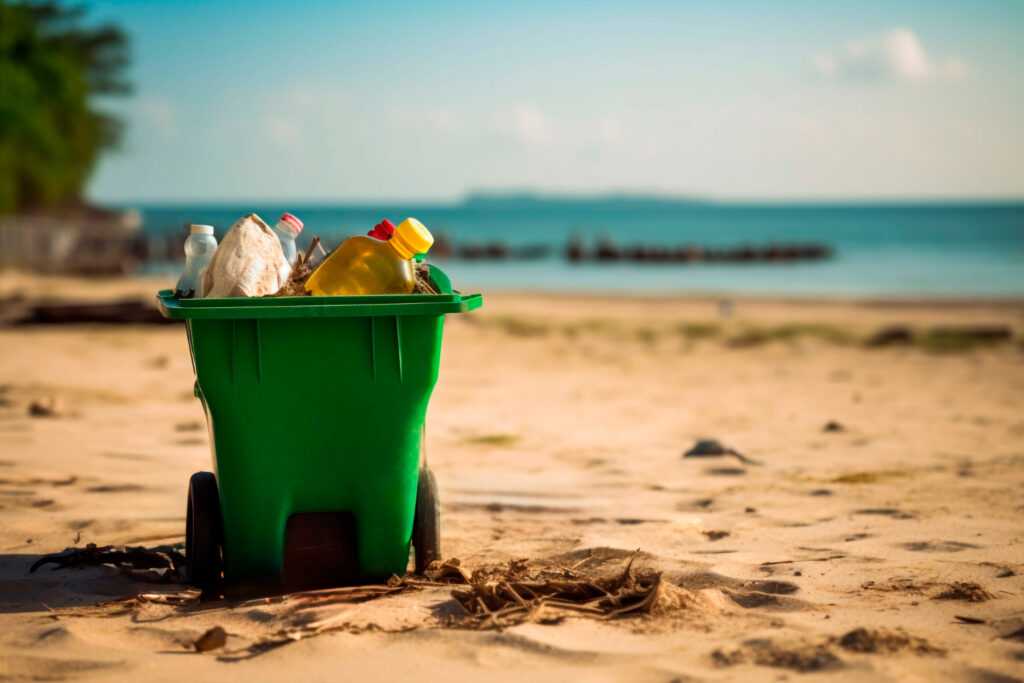
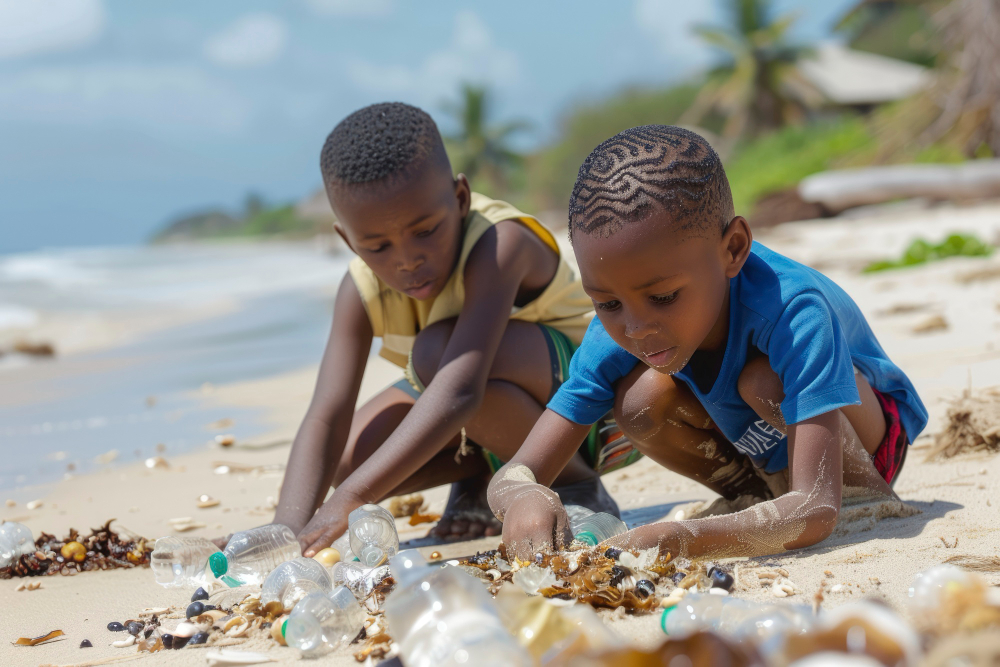
The feast also comes with increased packaging. Plastic bottles clink under tables, disposable plates pile up, and polythene bags flutter like unwanted decorations in hedges and drainage channels. In estates, rural homes, beaches, and picnic sites, waste multiplies faster than collection systems can cope. By January, rivers choke on plastic, livestock graze on discarded packaging, and open dumps smoulder quietly, releasing toxic fumes. What we call “throwaway” never truly goes away as it simply moves into someone else’s environment.
The irony is painful. We celebrate life while undermining the very systems that sustain it. We toast to prosperity while polluting the air our children breathe. Climate change often feels distant, melting ice caps and faraway storms, but in Kenya it is already here manifested by erratic rains, prolonged droughts, flash floods, rising food prices, and shrinking livelihoods. The festive excesses of millions of small decisions add up, season after season, year after year.
And yet, responsibility does not rest only with governments, policies, or global summits. It rests with us at the fuel pump, at the butcher’s counter, at the checkout aisle, and at the bin outside our homes.
Environmental responsibility during the holidays does not mean cancelling celebrations or rejecting tradition. It means rethinking how we celebrate. Can we travel smarter like carpooling, servicing vehicles to reduce emissions, avoiding unnecessary trips? Can we moderate consumption, choosing quality over quantity, honouring food rather than wasting it? Can we balance meat-heavy menus with more plant-based dishes, many of them already rooted in Kenyan cuisine?
It means saying no to single-use plastics when alternatives exist. Carrying reusable bottles, plates, and shopping bags. Sorting waste where possible, composting food scraps, supporting local recycling initiatives, and refusing to litter even when “everyone else is doing it.” It means questioning charcoal sources and opting, where possible, for cleaner cooking methods or sustainably produced fuel.
Most importantly, it means teaching by example. Children learn what celebration looks like by watching us. If they see carelessness, they inherit it. If they see restraint, respect, and responsibility, they inherit that too.
The holiday season is, at its heart, about togetherness and recognising that we are bound to one another. The environment is no different. The air polluted in Nairobi drifts to the neighbouring rural counties. Plastic dumped upstream washes into lakes and oceans. Carbon released today shapes the climate our children will inherit tomorrow.
As we gather, eat, travel, and rejoice, let us remember that celebration is also stewardship. Joy does not have to be wasteful. Tradition does not have to be destructive. This Christmas, let the gift we give Kenya be lighter carbon footprints, cleaner spaces, and a renewed sense that caring for the environment is not a burden but a shared act of love, for ourselves and for generations yet to come.