
Decades of chemical reliance have left African farmlands depleted and biologically inactive. Across the continent, farmers are trapped in a costly cycle of declining yields and rising input costs.
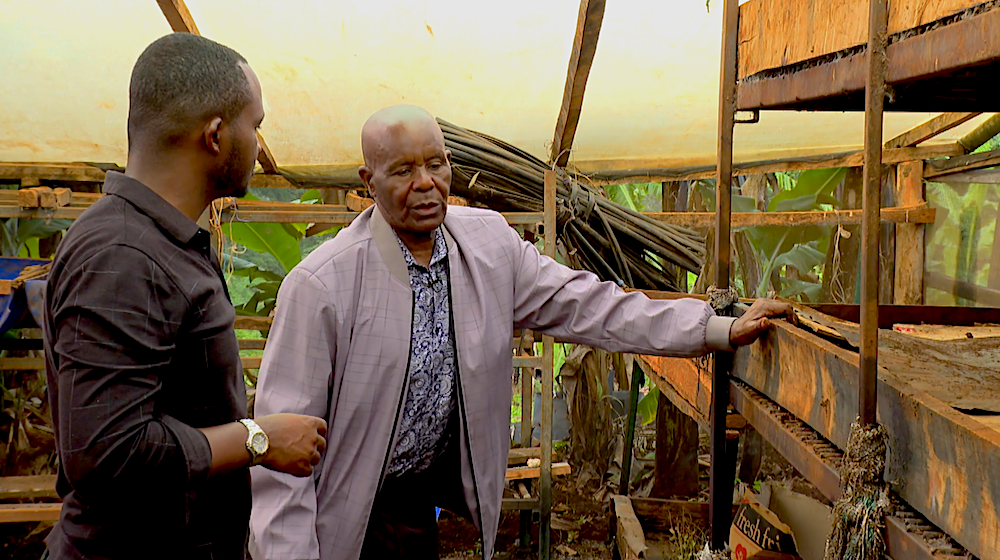
In Ruaka, on the outskirts of Nairobi, a quiet, nature-based solution is taking root. Peter Ndung’u, a former accountant, is leading a vermiculture movement, using earthworms to transform organic waste into life-giving soil.
Ndung’u’s journey began two decades ago as a simple experiment to improve his own farm. For years, he produced compost quietly, until neighbouring farmers noticed the difference in his crops.
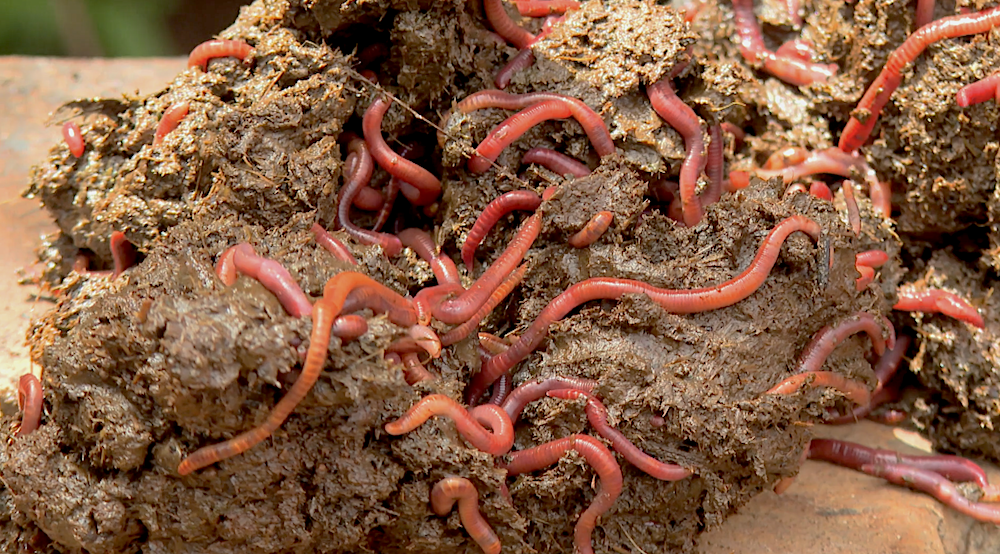
Vermiculture is the practice of using redworms to convert organic matter into nutrient-rich compost and liquid fertiliser. This process mirrors nature, feeding the soil’s biology rather than just the crop.
This distinction is critical for African agriculture. Synthetic fertilisers kill the microorganisms essential for nutrient availability, forcing farmers into perpetual dependency on costly external inputs.
Vermicompost restores soil structure, improves water retention, and allows crops to grow stronger over time. It is a regenerative approach that builds fertility season after season.
The power of vermiculture lies in its accessibility. It requires minimal capital and no large tracts of land. Simple beds can be set up in shaded spaces using readily available materials such as cow dung and vegetable waste.
What is often thrown away becomes the foundation of soil renewal. This low-cost method offers a vital path to food security for smallholder farmers.
With over half of Africa’s farmland considered degraded, this locally controlled solution is a powerful tool for climate resilience. It turns decay into renewal, one worm at a time.
Institutions like Jomo Kenyatta University are helping to spread the knowledge and starter stock across Kenya. Yet, compared to the scale of the crisis, vermiculture remains underutilised.
While training remains essential for success, the demand for this organic solution is growing from smallholders to commercial farms. The lesson from Ruaka is clear: the future of African agriculture lies in restoring life to the soil.