
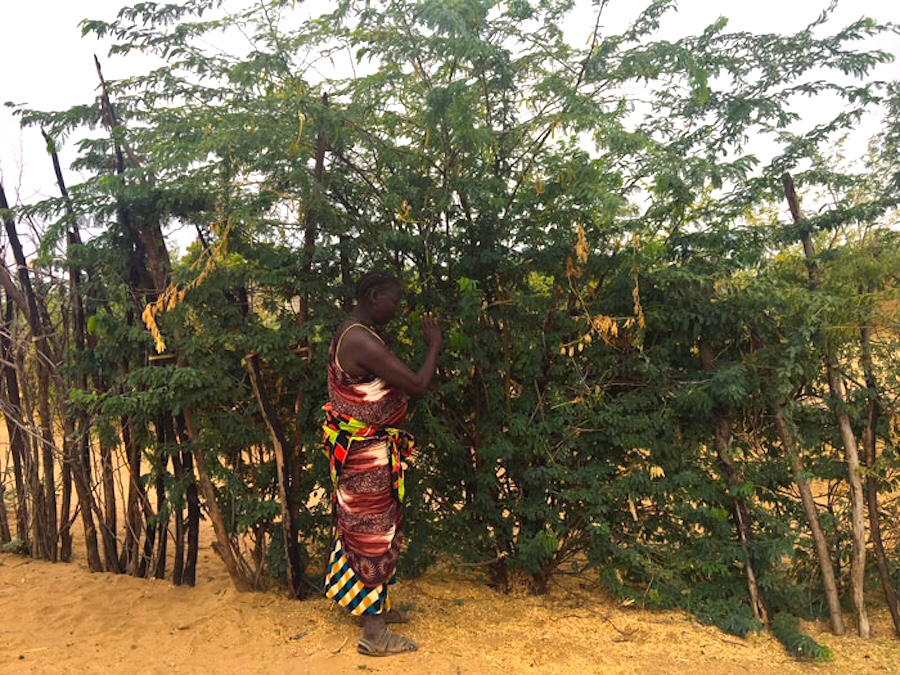

Across Kenya’s drylands, an unrelenting green tide has been silently strangling livelihoods, landscapes, and biodiversity, thanks to Prosopis juliflora (Mathenge), a thorny, fast-growing tree species that has spread far beyond its original purpose.
The plant was introduced in Kenya decades ago as a remedy for creeping desertification, providing tree cover and preventing soil erosion in drylands, as well as a source of fuel and animal fodder. The UN Food and Agriculture Organization (FAO) and the government actively encouraged its planting.
The Kenya Forestry Research Institute (Kefri) estimates it has encroached on 2 million hectares (7,700 sq miles), spreading at a rate of up to 15% a year across 22 counties, choking grazing lands, blocking waterways, and forcing farmers and pastoralists to reckon with its consequences.
The affected counties are Turkana, Tana-River, Garissa, Isiolo, Marsabit, Kajiado, Taita-Taveta, Baringo, Kilifi, Samburu, Mandera, Wajir, Kwale, Lamu, Tharaka-Nithi, Meru, Mombasa, Migori, Kitui, West-Pokot, Laikipia, and Narok.
For communities living in affected areas, mathenge has become more than an ecological nuisance as it is a direct threat to their survival. Families have watched grazing lands shrink as dense thickets push out native grasses, livestock struggle with painful thorns and dental damage from sugary seed pods, and water access points become clogged by thick stands of the plant that consumes large amounts of water and alters soil conditions.
In 2008, Kenya declared Mathenge to be a noxious weed and passed laws requiring people to clear invasions of the plant or report them if the infestation was unmanageable.
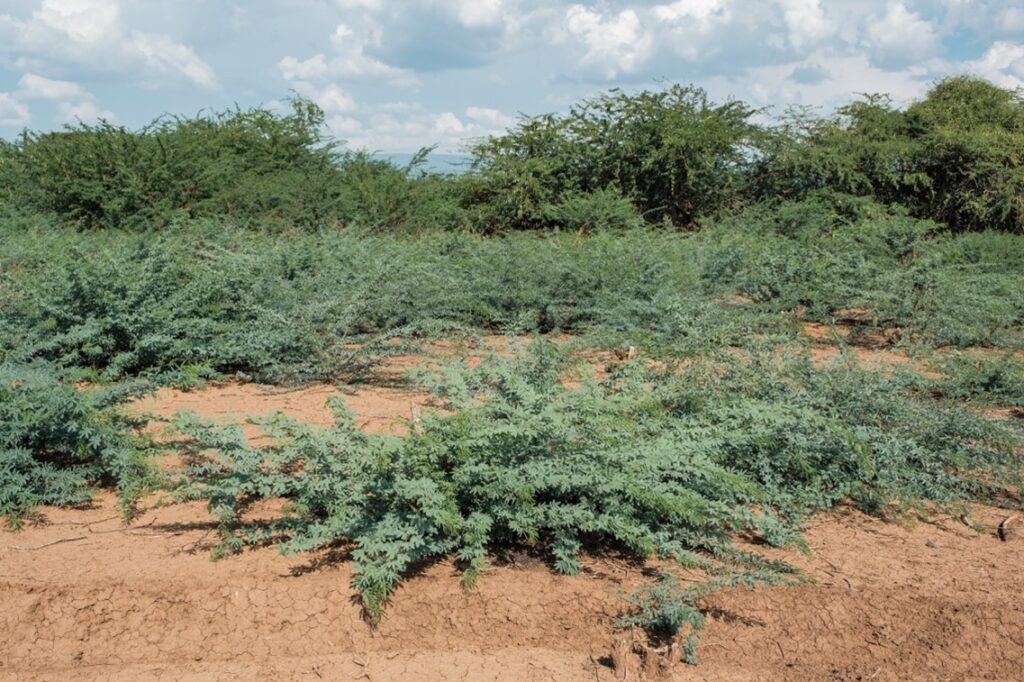
But the battle against the invasive mathenge has largely been local and uncoordinated. Counties tried various ad hoc methods, from mechanical clearing to small-scale utilisation projects, often limited by lack of funds, coordination, and technical support.
In some areas, organisations like the KEFRI and local governments piloted efforts to turn mathenge into usable resources, such as charcoal, livestock fodder, honey products, and artisan goods, creating short-term jobs and income in Turkana and Tana River.
But these efforts were often isolated, short-lived, and unable to stem the plant’s rapid spread, which experts estimate can grow 4–15 % annually in affected zones.
To get a long-lasting solution, Kenya has finally officially unveiled the National Strategy and Action Plan for the Management and Control of Prosopis (2025–2035), a first-of-its-kind nationwide blueprint to tackle the mathenge challenge systematically.
Unlike earlier uncoordinated efforts, the new plan emphasises a phased, regulated and science-informed approach that marries ecological restoration with economic opportunity.
By establishing clear frameworks for early detection and rapid response, the strategy aims to stop mathenge from invading new areas, a key gap in past approaches.
Priority zones will be identified for targeted clearing, using mechanical, chemical, and biological methods where appropriate. Eradication is coupled with restoration of those landscapes using indigenous species to revive soil health and biodiversity.
Rather than seeing mathenge solely as a menace, the strategy also seeks to convert cleared biomass into value-added products like biochar, briquettes, and livestock feed, boosting local enterprise and creating jobs. Early estimates suggest this could generate billions in economic value annually if well-regulated and integrated into local markets.
The strategy is linked to recent forestry and climate policies, such as the Forest Conservation and Management Act and Charcoal Regulations, setting up a legal and institutional environment that better supports long-term action.
By pairing restoration with livelihood pathways, the new strategy recognises that ecological health and economic resilience must go hand in hand, a shift from earlier efforts that prioritised control without integrated benefit-creation.