

Kenya’s climate leadership narrative is facing fresh scrutiny after the State Department for Environment and Climate Change disclosed a KSh3.4 billion funding shortfall, warning that inadequate allocations are undermining implementation of key environmental and climate programmes.
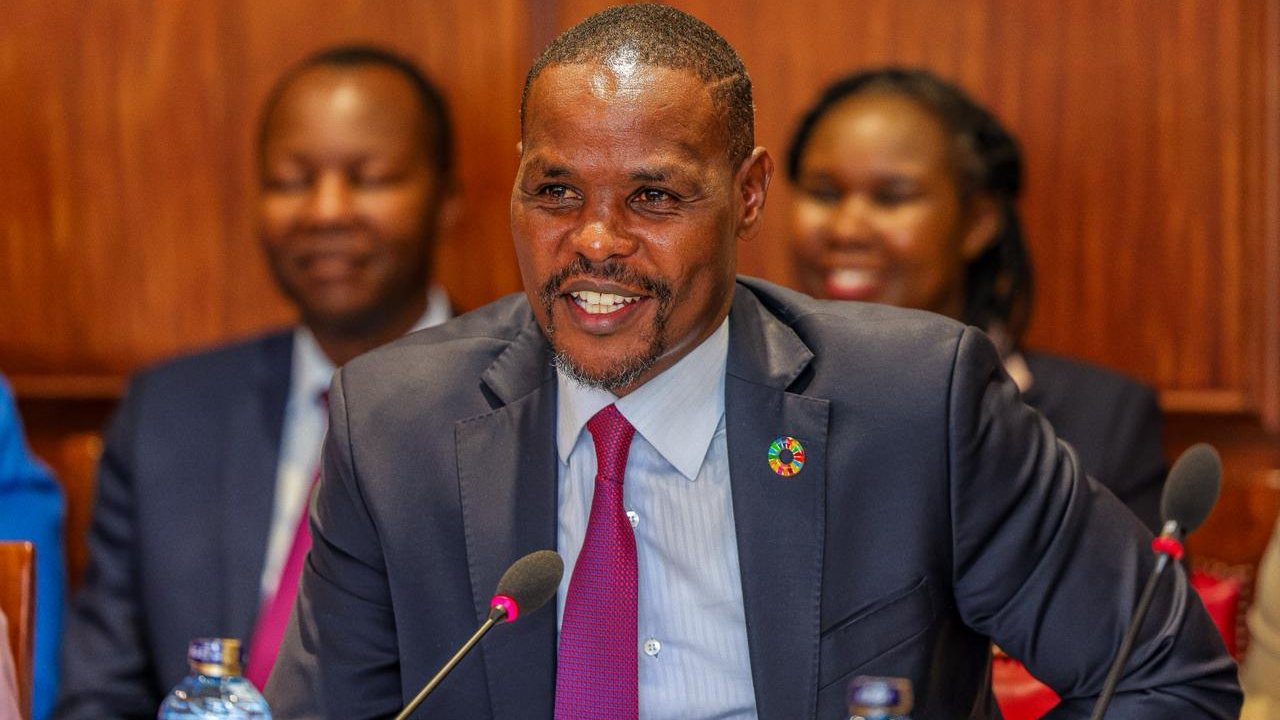
Appearing before Parliament’s budget committee, the Principal Secretary for Environment and Climate Change, Festus Ng’eno, said the shortfall is already affecting service delivery and statutory mandates.
“Inadequate funding is adversely impacting the implementation of planned programmes and activities,” Ng’eno told lawmakers.
The funding concerns come as the National Environment Management Authority (NEMA) reported it requires 700 additional staff to effectively enforce environmental laws across the country.
The staffing gap, officials said, limits inspections, compliance monitoring, and enforcement of environmental impact assessment conditions.
The ministry also indicated that the Kenya Meteorological Department faces a shortage of about 500 technical officers, affecting weather monitoring and early warning systems critical to climate adaptation.
The revelations cast a spotlight on the gap between Kenya’s global climate commitments and the domestic capacity required to implement them.
Kenya is a signatory to the Paris Agreement and has pledged to cut greenhouse gas emissions by 32 per cent by 2030 relative to business-as-usual projections. The country’s climate governance framework is anchored in the Climate Change Act, widely regarded as one of the most progressive in Africa.
However, environmental analysts say laws and commitments must be backed by adequate funding and institutional strength.
“You cannot enforce environmental compliance without inspectors on the ground,” said a Nairobi-based environmental policy expert. “Climate action requires boots on the ground, laboratory testing, data collection, and legal follow-through.”
The budgetary strain emerges at a time when climate-related disasters are intensifying, marked by prolonged droughts in arid counties that have devastated livestock and crops, while destructive floods in urban areas have exposed weak land-use enforcement and poor drainage planning.
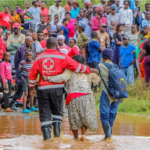
Humanitarian agencies, including the Kenya Red Cross Society, have warned that climate-induced disasters are becoming more frequent and, in some cases, overlapping, stretching response systems and deepening vulnerability.
Weak enforcement of environmental regulations has also drawn criticism from civil society groups, who cite ongoing pollution incidents, illegal sand harvesting, deforestation, and non-compliance with environmental impact assessment conditions in major infrastructure projects.
The funding gap will now be subject to parliamentary review as lawmakers debate allocations in the 2026/27 budget cycle. Members of the Environment Committee are expected to interrogate whether the ministry and its agencies are sufficiently resourced to meet national climate obligations.
Ng’eno maintained that while the ministry remains committed to delivering on its mandate, resource constraints present a serious operational challenge.