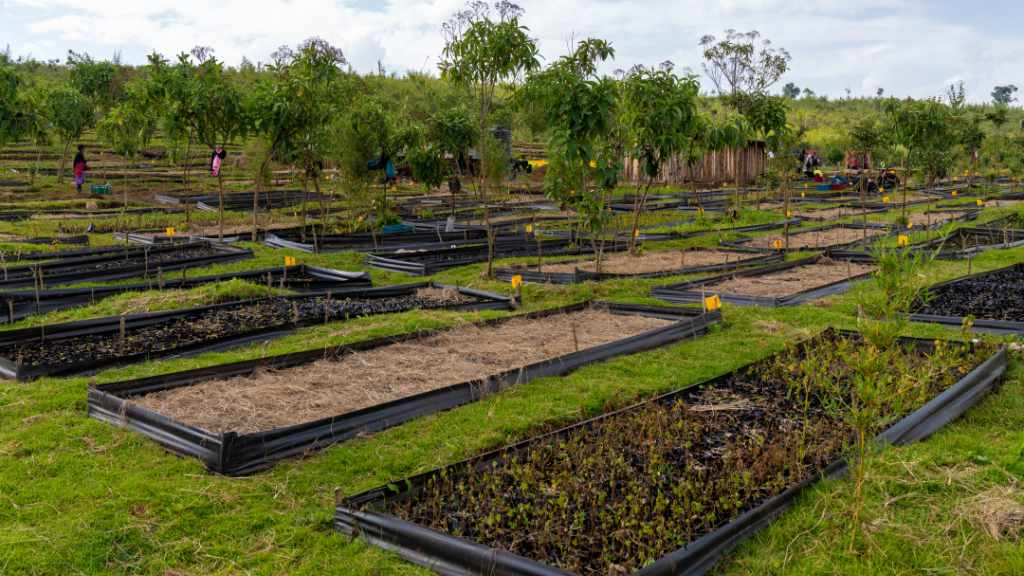

The government has planted more than 1.2 million tree seedlings across 1,200 hectares of the Mau Forest Complex under a new restoration programme aimed at reversing years of degradation in Kenya’s largest water tower.
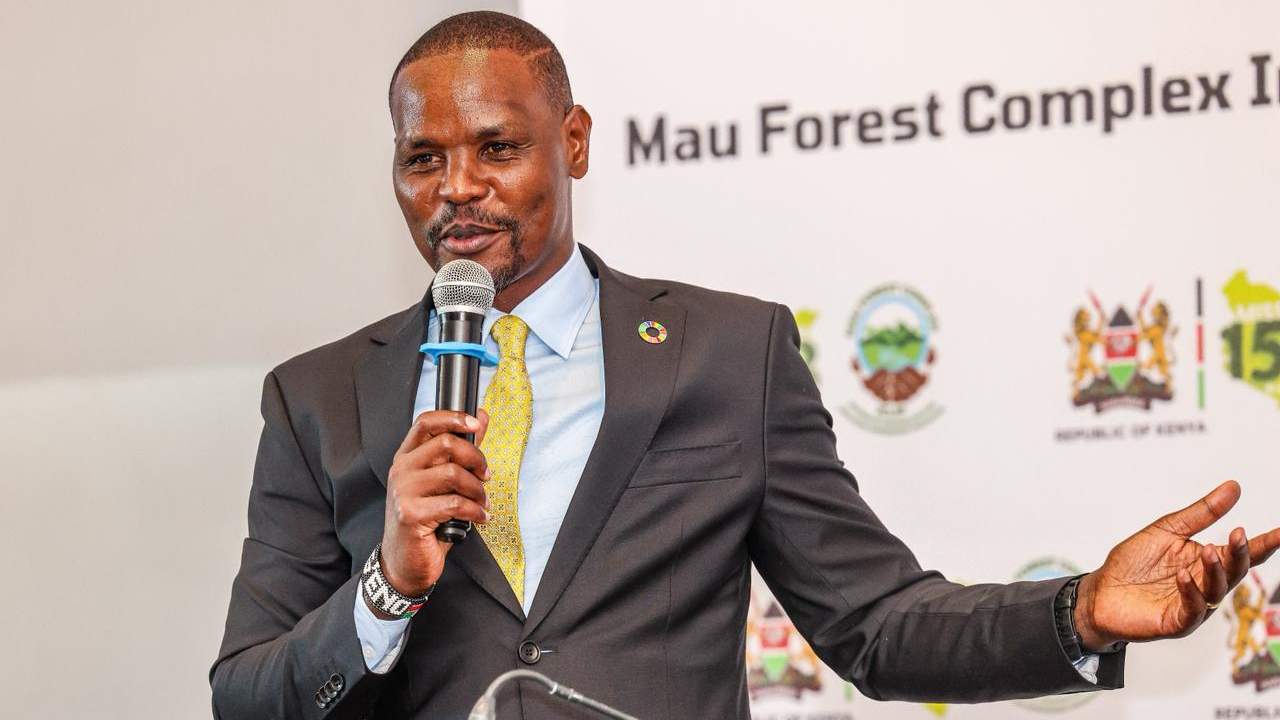
Environment and Climate Change Principal Secretary Festus Ng’eno said the Mau Forest Complex Integrated Conservation and Livelihood Improvement Programme (MFC-ICLIP), launched in August last year, was beginning to deliver measurable results.
“Since the launch of the programme, we have recorded tangible progress that is reviving hope for the restoration of the Mau Forest Complex,” Ng’eno told stakeholders and development partners during a progress briefing this week.
“In Bararget Forest Station, 132 hectares with 130,000 tree seedlings is my adopted block, symbolising leadership by example and sustained stewardship,” he said.
Ng’eno added that youth- and women-led tree nurseries had been established to supply seedlings, boosting local enterprise while securing critical inputs for restoration.
The programme targets the restoration of at least 3,300 hectares within three months during the long rains expected between March and May 2026.
The Principal Secretary said conservation efforts were being integrated with livelihood support for surrounding communities.
“In our firm belief that conservation must go hand in hand with improved livelihoods, this first edition is already supporting the growth of climate-smart enterprises in the dairy, potato, pyrethrum, avocado, and beekeeping value chains through diverse interventions,” he said.
The Mau Forest Complex, East Africa’s largest montane forest, feeds at least 12 major rivers that sustain some of the region’s most important lakes. Rivers flowing west, including the Mara, Sondu, Nyando, Yala, Nzoia, and Gucha–Migori systems, drain into Lake Victoria, the continent’s largest freshwater lake and a lifeline for millions across Kenya, Uganda, and Tanzania.
Lake Victoria also feeds the Nile River, whose waters support millions of people across 11 countries up to Egypt and the Mediterranean Sea. These are Tanzania, Kenya, Uganda, Rwanda, Burundi, the Democratic Republic of the Congo, South Sudan, Sudan, Ethiopia, Eritrea, and Egypt.

To the south, the Ewaso Ng’iro South River flows into Lake Natron in northern Tanzania. Northward, the Kerio and Turkwel rivers empty into Lake Turkana, the world’s largest desert lake. Within Kenya’s Rift Valley basin, rivers such as the Molo and Perkerra drain into Lake Baringo.
Together, these river systems give Mau a strategic ecological role as a transboundary water tower whose health directly affects regional water security, agriculture, hydropower, and biodiversity.
Officials say restoring the Mau is not only critical for water security and climate resilience but also for sustaining tourism in the Maasai Mara, one of the world’s most iconic wildlife destinations.
The Mau Forest Complex is one of Kenya’s five major water towers in Kenya and has faced decades of encroachment, illegal logging, and settlement, leading to significant forest cover loss. The government says the new Mau restoration programme is designed to reverse that trend while ensuring that conservation delivers direct economic benefits to local communities.
Other water towers in Kenya besides the Mau Forest Complex are Mount Kenya, Aberdare Ranges, Mount Elgon, and Cherangani Hills