


The Government has tightened environmental controls on imported goods, requiring all importers to obtain a mandatory waste-management compliance certificate before their products enter the country. The move is aimed at tackling the country’s growing pollution crisis.
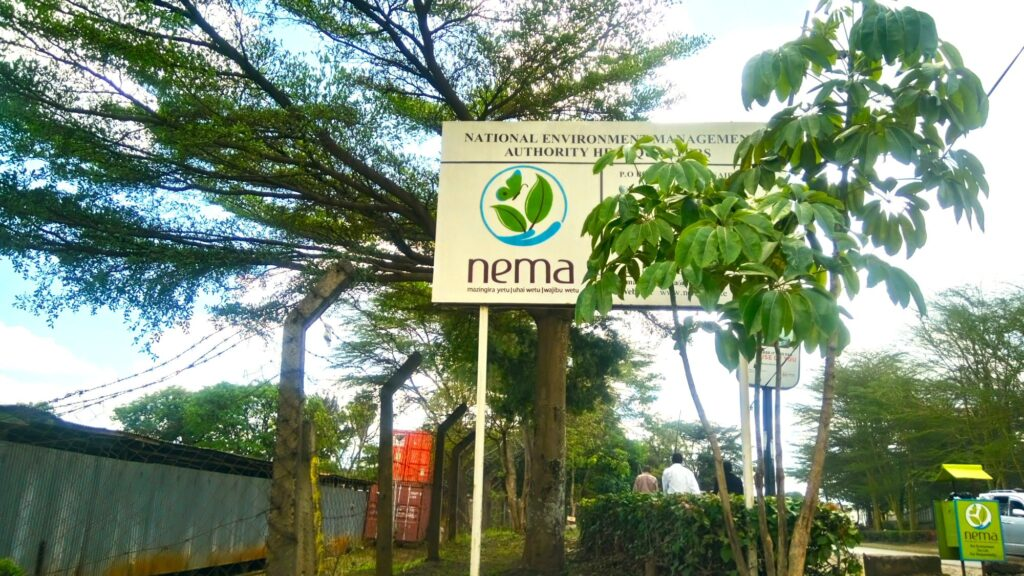
The directive by the National Environment Management Authority (NEMA) took effect on March 14, requiring companies bringing goods into Kenya to secure an Extended Producer Responsibility (EPR) import certificate before clearing shipments at the border.
Under the new rules, importers must apply for the certificate through the National Electronic Single Window System, a government digital platform that integrates approvals from different regulatory agencies involved in trade and environmental oversight.
The directive marks a significant shift in Kenya’s environmental policy by placing responsibility for waste management directly on companies that introduce products into the market.
Through the Extended Producer Responsibility (EPR) framework, manufacturers, brand owners and importers are now legally required to manage the environmental impact of their products throughout their life cycle, including what happens after consumers discard them.
In practical terms, this means companies must account for the collection, recycling, or safe disposal of packaging and materials generated by their products.
Environmental regulators say the move is designed to reduce the mounting waste burden in Kenyan cities and ecosystems, where plastic packaging, electronics, and consumer goods have increasingly overwhelmed existing waste management systems.
The policy is anchored in the Sustainable Waste Management (Extended Producer Responsibility) Regulations, 2024, which were gazetted by the Ministry of Environment, Climate Change and Forestry as part of broader efforts to transition the country toward a circular economy.
Kenya has struggled with rising waste volumes driven by urbanisation, consumer culture and the influx of imported goods, much of which ends up in open dumps, rivers and landfills.
Environmental experts argue that the traditional system, where municipalities bear the cost of collecting and disposing of waste, has proven unsustainable. By enforcing the EPR principle, regulators are attempting to shift those costs back to producers and importers, in line with the global “polluter pays” principle.
NEMA says the new certificate requirement will strengthen oversight of the types and quantities of products entering the Kenyan market, while encouraging businesses to design products and packaging that are easier to recycle or reuse.
Under the new regulations, importers must first register as producers under the EPR programme before applying for the certificate, allowing authorities to track companies responsible for the waste generated by their goods.
Regulators believe the digital integration will reduce paperwork and enhance coordination among agencies responsible for clearing cargo at ports and border points.
To prepare businesses for the transition, NEMA has begun conducting stakeholder engagement forums and training sessions in key trade regions, including coastal counties, Nairobi and western border corridors used by importers and logistics firms.
Environmental policy analysts say the effectiveness of the new rule will ultimately depend on enforcement and the willingness of businesses to invest in recycling systems, producer responsibility organisations and waste recovery programmes.
If implemented rigorously, the policy could mark one of the most significant shifts in Kenya’s environmental governance, forcing the private sector to take responsibility for the environmental footprint of the products it sells.