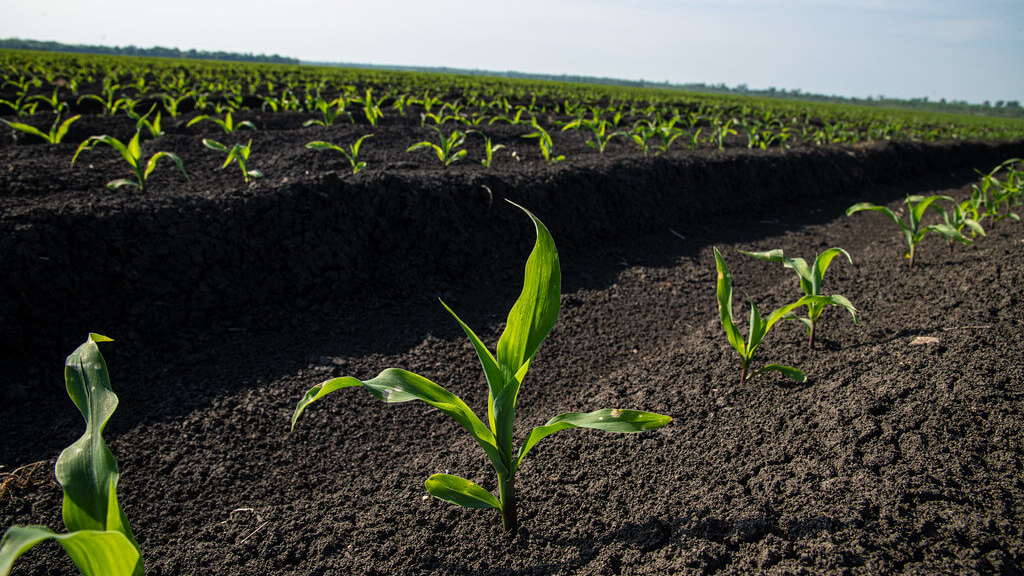

For Douglas King’ori and Pius Wanyoike, the sudden heavy rainfall that began in February arrived not as relief but as disruption. The two maize farmers in Ntulele, Narok County, had barely prepared their land after weeks of hot, dry conditions when the skies opened. What followed were intense downpours that soaked their fields before a single seed could go into the ground.
“The rains came earlier than the usual planting time. I rushed to plant, but some farms were too waterlogged for tractors to enter. I have yet to plant some fields. I am thinking of planting wheat when they ease because maize may not do well with delayed planting,” says Wanyoike.
King’ori shares the same frustration: “Farming is becoming very tricky, mainly because of the unpredictable weather. Timing for planting is no longer as straightforward as before. Rains are coming too early or too late, and when they come, they are either very heavy or too low,” he says.
For years, Lerionka Kuntikala has been the steady hand behind leased farms in Ntulele, managing vast stretches of land on behalf of farmers like Alex Kagiri and Steve Irungu, whose holdings span tens of acres.
This season, says Kuntikala, rainfall caught even the experienced hands off guard: “I have never seen this. The rains came as a surprise, and I rushed to plant as fast as I could, but they were too intense. After three days I had to abandon the planting. Many farms were waterlogged for tractors,” he says.
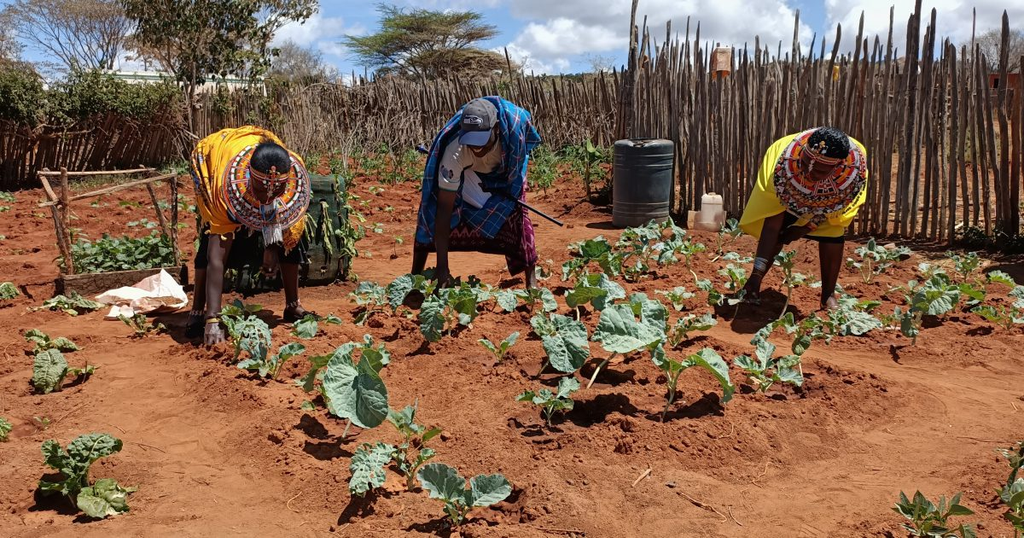
What is happening in Ntulele is unfolding across much of Kenya. From the Rift Valley to parts of Central and Western regions, farmers are grappling with the same sudden shift, from extreme heat to pounding rains.
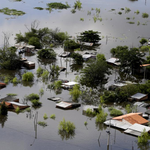
In some areas, seeds planted early have been washed away. In other fields remain too wet to work. Roads have become impassable, and in low-lying zones, floods have crept into homes, forcing families to move. Just weeks ago, the concern was drought. Now, there is too much water.
Scientists say this is part of a growing global pattern where weather swings sharply between extremes. They call it “climate whiplash”, a rapid flip from dry to wet conditions that leaves little time to adjust.
In practical terms, it means farmers like King’ori and Wanyoike are forced to make decisions without certainty: Do they wait and risk missing the season entirely? Do they switch crops? Or do they plant and hope the rains stabilise?
According to the Global Water Monitor 2025 report, rainfall patterns are shifting sharply, with heavy downpours becoming more frequent and more intense across many regions. At the same time, prolonged dry periods are deepening, creating what scientists describe as a more volatile and less predictable water system.
Researchers say the changes are being driven by rising global temperatures, which are accelerating the movement of water through the atmosphere. This is resulting in stronger storms, higher evaporation rates and more rapid swings between wet and dry conditions.
The report highlights a growing trend of “climate whiplash,” where regions experience rapid transitions between extreme rainfall and severe drought within short periods. These shifts are leaving communities with little time to recover between disasters.
Data in the report also shows an increase in “flash droughts,” which develop within weeks due to a combination of heat and lack of rainfall. Scientists warn that these fast-onset droughts are particularly difficult to manage, as they can quickly deplete soil moisture and water supplies before mitigation measures are in place.
At the same time, the number of extremely hot days, above 35 degrees Celsius, is rising, placing additional stress on water availability, agriculture, and public health systems.
The report notes that extreme rainfall events are now affecting larger populations, increasing the risk of floods and landslides. In some regions, infrastructure is failing to cope with the intensity of rainfall, leading to widespread damage and displacement.
In Africa, the findings point to increasing drought risk in the Horn of Africa, alongside heightened flood threats in parts of the Sahel and southern Africa. Scientists warn that this combination is likely to intensify food insecurity and strain already limited water resources.
The report also indicates that water-related hazards are expanding into new regions, with some areas experiencing extreme events that were previously rare or unknown.
Globally, the past three years have been among the hottest on record, a trend the report links directly to the intensification of the water cycle. Warmer air holds more moisture, increasing the likelihood of heavier rainfall, while higher temperatures also accelerate drying during rain-free periods.
Researchers say the combined effect is a water system that is becoming harder to predict and manage, with significant implications for agriculture, infrastructure, and human health.
Back in Ntulele, the uncertainty lingers. With fields still too wet to till, Wanyoike is weighing his options, while King’ori watches the skies, unsure whether the rains will persist or disappear as suddenly as they came. For now, the promise of rain, once a symbol of hope, has become a gamble.