


A major new financing deal could make it easier for Kenyan businesses and farmers to go green. This is after KCB Bank secured Sh12.5 billion ($96.9 million) in funding from the Green Climate Fund (GCF), in what is being seen as a significant boost to Kenya’s growing climate economy.
The money is expected to flow directly to small businesses and farmers, groups that often struggle to access affordable financing, helping them invest in practical solutions like solar power, clean cooking, irrigation systems, and better waste management.
The funding is structured as a mix of low-interest financing, guarantees, and grants, an approach meant to reduce the risk for banks and lower borrowing costs for customers, opening the door for more people to adopt climate-friendly technologies.
For many small businesses, that could be transformative. A shop owner who wants to install solar panels, for example, often faces high upfront costs and expensive loans. Under this programme, financing becomes more accessible, making it easier to cut electricity bills and reduce reliance on unreliable power supply. For farmers, it could mean access to irrigation systems, drought-resistant seeds, or water-saving technologies.
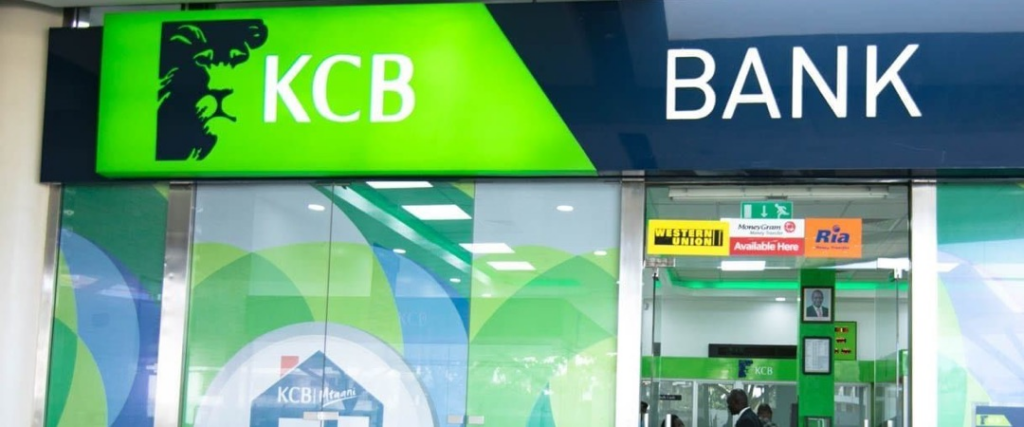
KCB says about 60 percent of the funds will go toward helping communities adapt to climate change, especially in agriculture and water management. The remaining 40 percent will support efforts to reduce emissions, including renewable energy and energy efficiency.
The bank’s chief executive, Paul Russo, described the deal as a step toward bringing climate finance to sectors that have long been left out, particularly small enterprises and rural communities.
Kenya’s financial sector is rapidly shifting toward green lending as banks increasingly finance projects that not only generate returns but also address environmental risks. In recent years, KCB alone has significantly expanded its green loan portfolio, reflecting a broader trend where sustainability is becoming part of mainstream banking.
More than 80 percent of the country is classified as arid or semi-arid, and climate shocks regularly disrupt livelihoods and cost the economy billions. That is why green finance is increasingly being seen not just as an environmental tool, but as an economic one.
Lower energy costs, more reliable production, and improved resilience to climate shocks can all translate into stronger, more competitive businesses. In agriculture, which supports the majority of rural livelihoods, the impact could be especially significant.
The KCB deal also reflects a deeper shift in how climate action is funded. Rather than relying solely on donor-driven projects, Kenya is moving toward market-based solutions where banks, businesses, and investors play a central role in driving change.