
Africa is being left behind in the global rush toward clean energy, even as the world records its biggest-ever expansion of renewable power.
According to the International Renewable Energy Agency (IRENA), while the world is accelerating into a renewable future, Africa is struggling to keep up despite its vast potential.
IRENA’s Renewable Capacity Statistics 2026 report shows that the world added a record 585 gigawatts (GW) of renewable energy in 2025 alone, a milestone that signals growing momentum in the shift away from fossil fuels, but Africa barely featured in that growth.
While countries in Asia, led overwhelmingly by China, raced ahead with massive solar and wind installations, Africa’s contribution remained marginal. The imbalance, the report suggests, is not due to a lack of resources, but a lack of opportunity.
Across much of the continent, the sun shines brighter and longer than in most parts of the world, wind corridors stretch across East and North Africa, and geothermal energy lies largely untapped along the Rift Valley. Yet these natural advantages have not translated into large-scale renewable expansion; instead, structural barriers continue to slow progress.
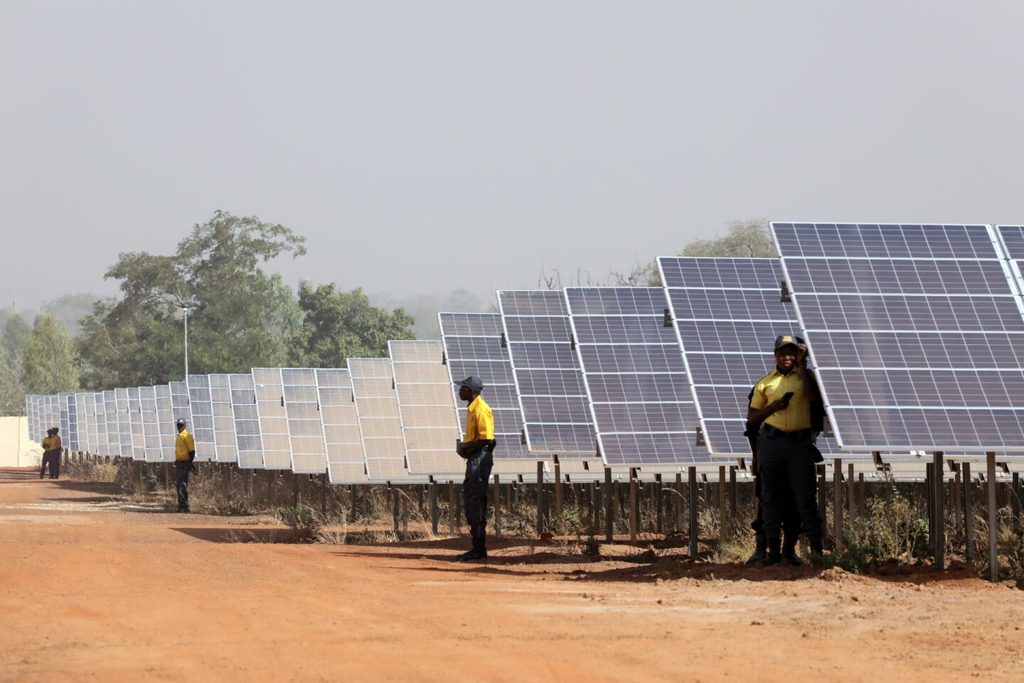
Solar power dominated global growth in 2025, accounting for the vast majority of new installations. But in Africa, uptake has been constrained by high upfront costs and limited access to affordable financing, with the main challenge being connecting most people to the grid.
Electricity networks in several African nations remain weak, fragmented, or underdeveloped, making it difficult to transmit power from renewable-rich regions to homes, businesses, and industries that need it most. In some cases, projects stall not because of lack of interest, but because the grid simply cannot absorb additional capacity.
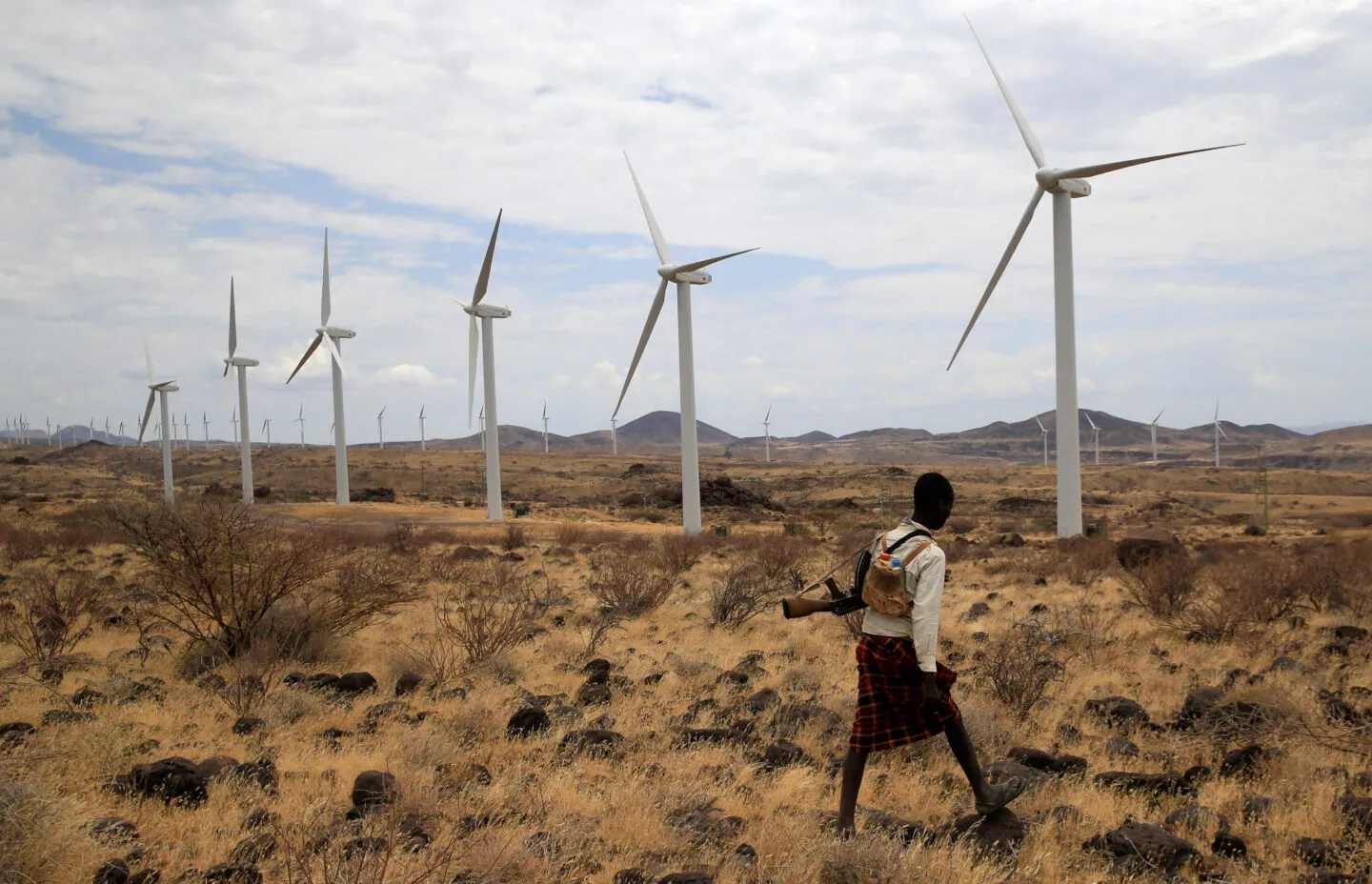
Wind energy tells a similar story. Globally, it continued to expand rapidly, but in Africa, only a handful of countries have managed to develop large-scale wind farms. Lengthy approval processes, land acquisition hurdles, and policy uncertainty have kept many potential projects on paper.
Hydropower, long the backbone of Africa’s renewable energy supply, is also showing its limits. Increasingly erratic weather patterns and prolonged droughts have made reliance on hydroelectric dams riskier, exposing vulnerabilities in countries that depend heavily on them. The shift toward a more diverse energy mix combining solar, wind, and geothermal is becoming more urgent.
Despite these challenges, nearly half of the world’s electricity capacity, 49.4 per cent, now comes from renewable sources, a significant step toward a cleaner global energy system. Yet Africa’s limited share in this progress raises a deeper concern that the global energy transition could widen existing inequalities.
At the heart of the problem is the cost of money. Renewable energy projects in Africa often face much higher financing costs than similar projects in Europe or Asia as investors perceive greater risks, ranging from currency fluctuations to policy instability, and demand higher returns. The result is that clean energy becomes more expensive to build where it is needed most.
Policy inconsistency and regulatory gaps further complicate the landscape, discouraging long-term investment. Without clear, stable frameworks, developers are less willing to commit billions of dollars to large-scale projects.
The IRENA report argues that reversing this trend will require deliberate global action including scaling up concessional financing, strengthening national energy policies, and investing heavily in grid infrastructure. Experts says regional power integration linking countries through cross-border electricity networks could also help unlock new opportunities.
If current trends continue, IRENA warns, Africa risks missing out on the global push to triple renewable energy capacity by 2030, a situation that would not only slow climate action but also delay progress on energy access, industrial growth, and economic development across the continent.