
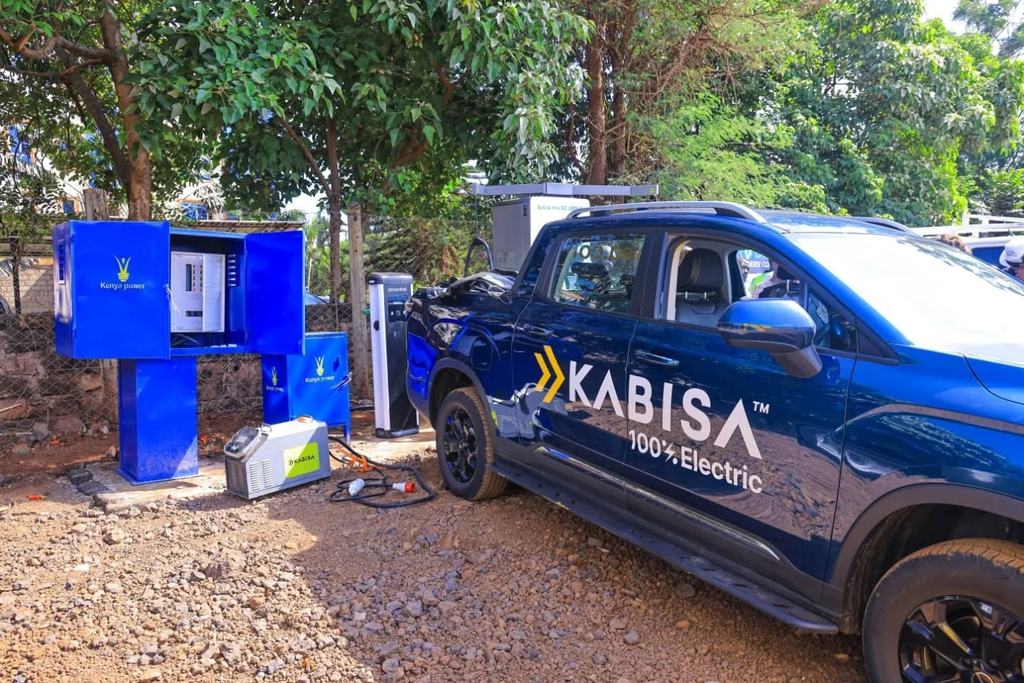

Kenya’s electric mobility drive has entered a policy contradiction, with President William Ruto directing duty-free importation for the first 100,000 electric vehicles even as his government proposes to impose a 16 percent VAT on EVs and related technologies in the Finance Bill 2026.
The President announced on May 22 that the first batch of electric vehicles entering the country will be exempt from import duties as part of efforts to accelerate clean transport and attract manufacturers into the local market.
However, industry stakeholders and environmental analysts say the Finance Bill proposal risks reversing those gains by increasing the cost of electric mobility technologies at the exact moment the sector is beginning to scale.
According to the proposals, the standard VAT would be applied to electric vehicles, lithium-ion batteries, electric motorcycles, electric buses and charging infrastructure, effectively raising costs across the value chain.

Energy and transport sector players say the conflicting signals from government policy are already creating uncertainty in a market that has only recently begun to attract serious investment.
Kenya’s electric mobility sector has expanded rapidly in the past three years, with startups such as BasiGo, Roam and Ampersand rolling out electric buses, motorcycles and battery-swapping systems in Nairobi and other urban centres.
Industry data shows registered electric vehicles have grown from fewer than 1,000 units in 2022 to more than 24,000 by the end of 2025, driven largely by tax incentives and early-stage investor confidence.
But that trajectory is now under threat. If the Finance Bill is passed in its current form, importers and assemblers will no longer benefit from input VAT recovery on key EV components, a shift that analysts say will raise final consumer prices significantly due to Kenya’s heavy reliance on imported technology.
Kenya imports nearly all EV components, including batteries and charging systems, making the sector highly sensitive to taxation changes.
The proposals have triggered concern among climate advocates who argue that the country is moving in opposite directions by promoting EV adoption on one hand while increasing the cost of adoption on the other.

The Finance Bill proposals also revive earlier tensions seen in the Finance Bill 2024, where similar attempts to tax electric bicycles, batteries and solar products were revised after public backlash.
Critics now say the repeated reintroduction of such measures signals an unresolved policy tension between revenue mobilisation and climate transition goals.
Ethical Business Africa has described the current proposal as “strategic incoherence,” arguing that the state is simultaneously trying to cushion citizens from fuel price shocks while taxing technologies that would reduce dependence on fossil fuels.
The debate is now shifting to Parliament, where lawmakers are expected to review the Finance Bill proposals amid growing pressure from investors, environmental groups and transport sector stakeholders.
If adopted unchanged, analysts say the measures could slow Kenya’s transition to electric mobility, weaken investor confidence in green industries, and delay the country’s ambition to become a regional hub for clean transport and manufacturing.