
Sahel Gets $14.6m AfDB Boost for Climate and Food Security

Sahel Gets $14.6m AfDB Boost for Climate and Food Security

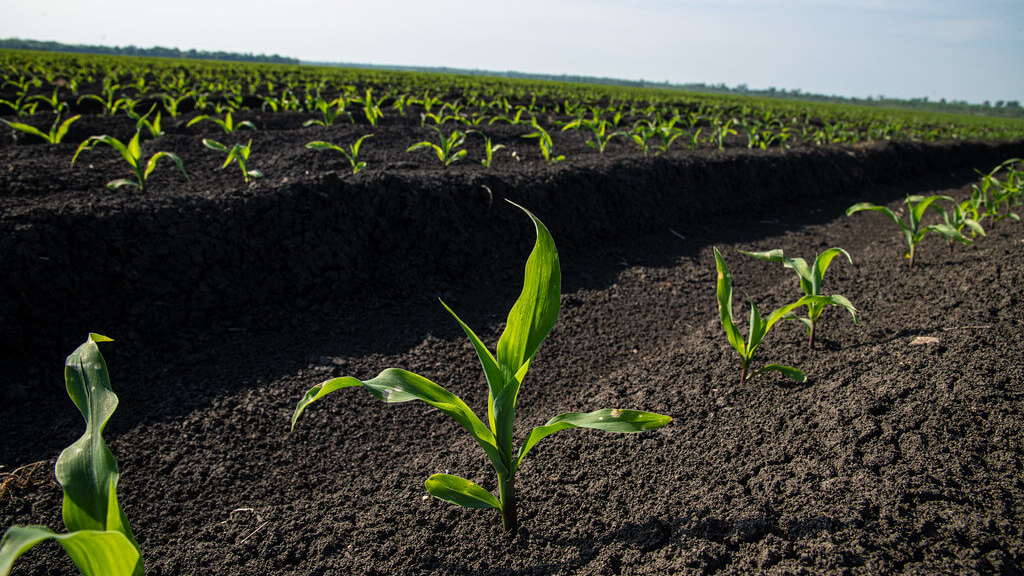
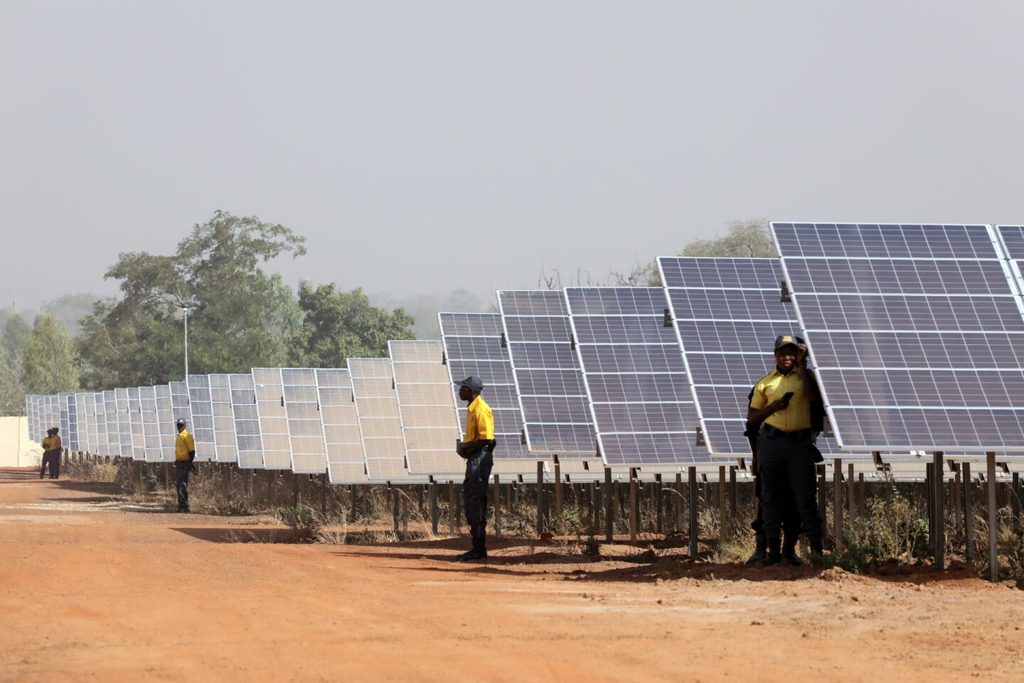
The African Development Fund has approved a $14.64 million grant to expand a major food security and climate resilience programme in the Sahel. The funding will scale climate-smart villages, strengthen regional seed systems, and support vulnerable communities facing worsening climate shocks. Women and youth will receive targeted support as the initiative boosts agricultural resilience across the region.
Kenya Edges Closer to Getting Approval for a Nuclear Power Plant

Kenya Edges Closer to Getting Approval for a Nuclear Power Plant

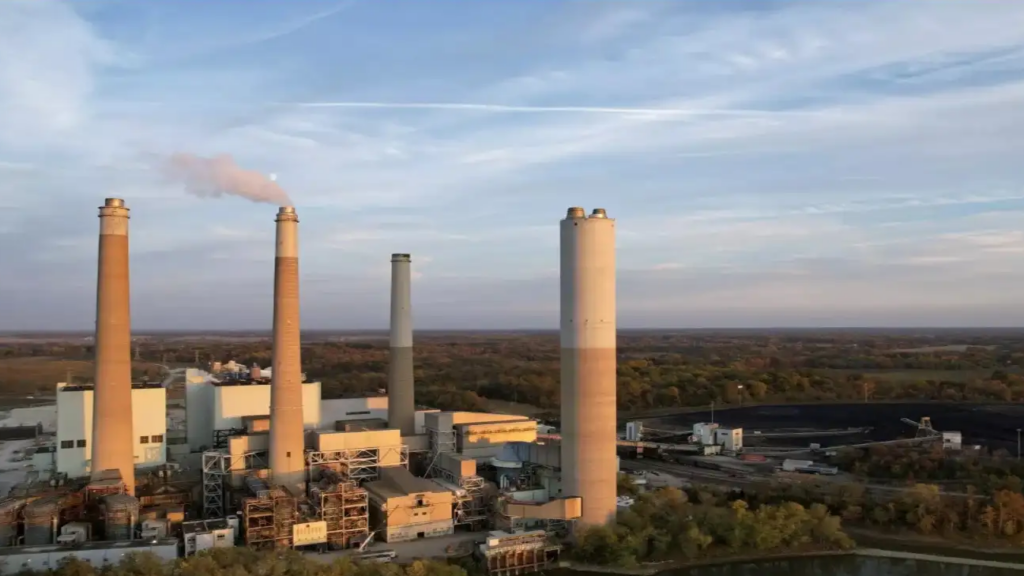
Kenya has moved closer to launching its first 1,000MW nuclear power plant after the IAEA confirmed the country’s strong safety and regulatory framework. While the milestone boosts confidence in Kenya’s nuclear ambitions, debates remain over costs, environmental risks, and whether the nation truly needs nuclear energy given its renewable strengths.
Green Groups Slam Ruto’s Move to Lift Logging Ban in Mau Forest

Green Groups Slam Ruto’s Move to Lift Logging Ban in Mau Forest

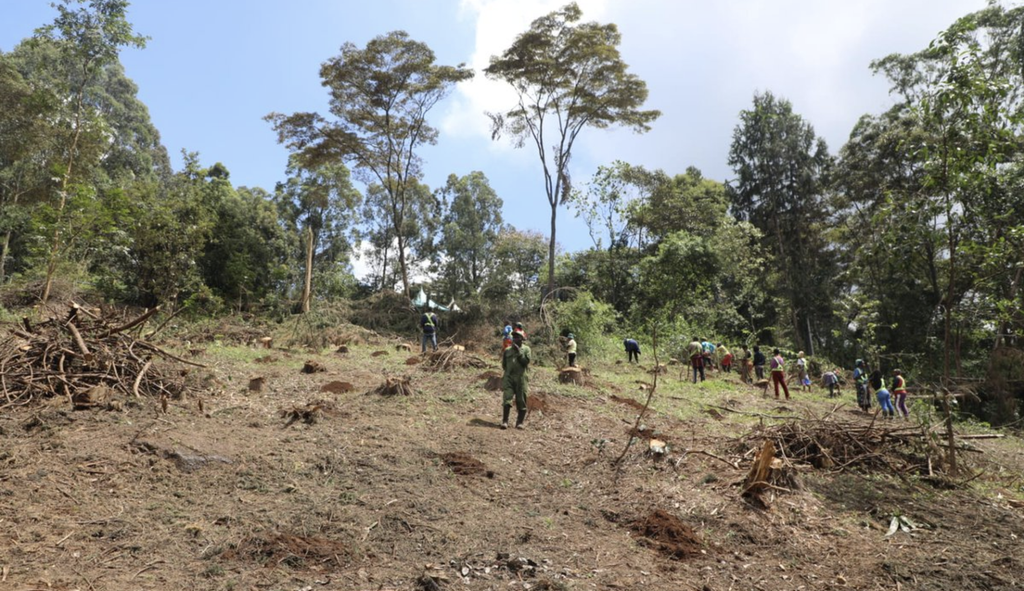
Kenya’s leading environmental organizations, the Green Belt Movement and Greenpeace Africa, have strongly condemned the government’s decision to lift the logging ban in the Mau Forest Complex. They warn the move threatens Kenya’s water towers, undermines climate resilience, and risks erasing years of progress in forest conservation. With the Mau at the heart of the country’s water security, activists say reopening it to logging is an environmental and economic disaster in the making.
UN Report Warns 90% of Coffee Prime Lands in Kenya Could Vanish by 2050

UN Report Warns 90% of Coffee Prime Lands in Kenya Could Vanish by 2050

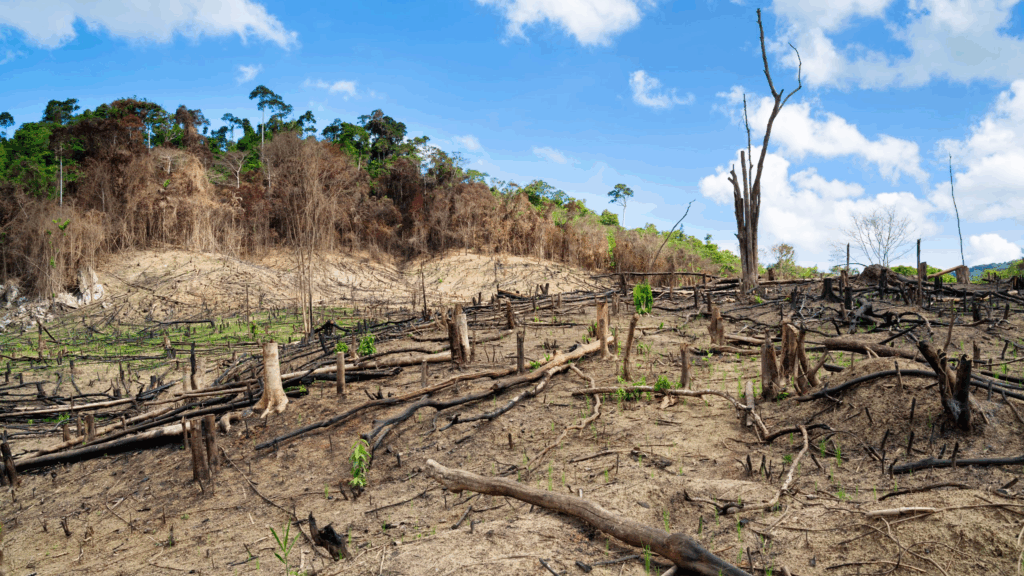
Kenya’s iconic coffee industry faces a grim future, with a new FAO report warning that up to 90% of current coffee-growing areas could become unsuitable by 2050 due to rising temperatures, erratic rainfall, and deforestation. The country’s smallholder farmers — who produce most of its arabica beans — stand to lose the most unless urgent climate adaptation, reforestation, and agroforestry measures are taken.