According to the report, the number of disaster-related displacements in sub-Saharan Africa has surged over the past decade, reaching 7.8 million in 2024. Consistent with previous years, floods were the primary catalyst for these displacements, accounting for 85 percent of the total.
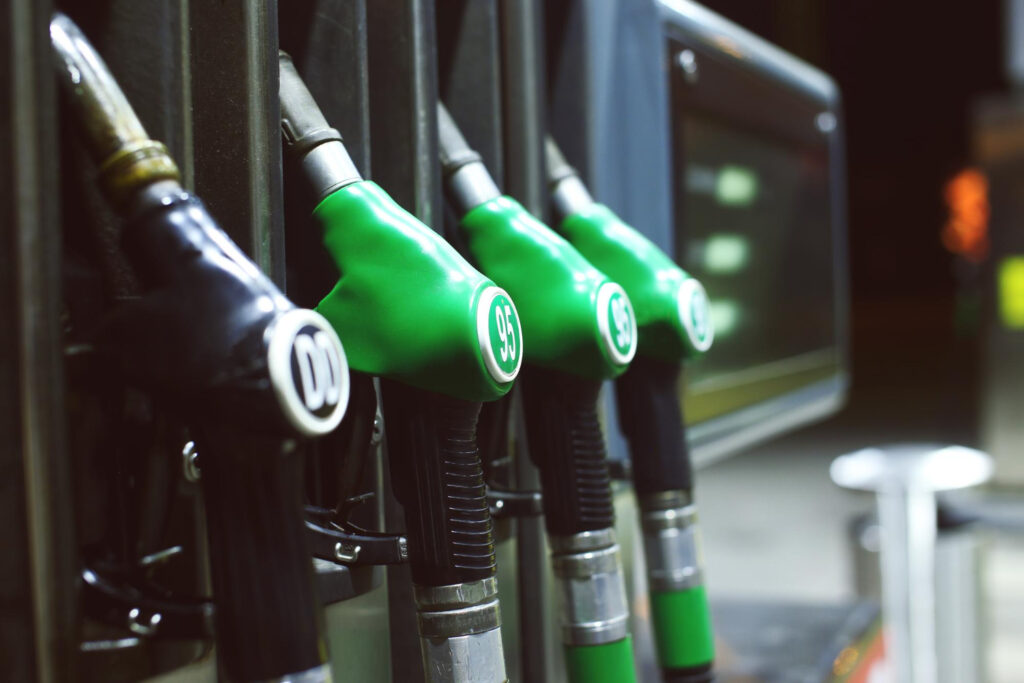
The big selling point for renewable diesel is that it is almost chemically identical to fossil fuel diesel, meaning it can be substituted in existing diesel engines, making it a so-called drop-in biofuel.
Transport companies in Kenya are making significant progress in carbon reduction initiatives through the adoption of alternative fuel solutions. A notable advancement in this area has been made by DHL Supply Chain, in collaboration with Scania, with the deployment of 25 new Euro 5 biodiesel-powered trucks.
Japanese motor vehicle manufacturers Toyota, Mazda, and Subaru have teamed up to develop engines compatible with various carbon-neutral fuels, including hydrogen, biofuels, and e-fuels.
Half of the vegetation in Mt Kenya Forest will disappear over the next 15 years due to climate change and human activities. According to findings of a new research about the impacts of climate change in the Mt Kenya forest ecosystem, 49–55% of vegetation cover across the forest areas will be lost by 2040
Environmentalists across the country are optimistic that implementing the Sustainable Waste Management (Extended Producer Responsibility or EPR) Regulations, 2024, will promote environmental sustainability and reduce waste in the country.
Kenya lack of commitment to fighting climate change is the suggestion to slap a 16% VAT on solar, wind, and geothermal inputs. Currently, these inputs are VAT exempt, but if this proposal goes through, they will become expensive, putting a damper on investments in green energy.