
The African Development Fund (ADF) has approved a $14.64 million (KES 1.9 billion) grant to support the second phase of a flagship food security and climate resilience programme in the Sahel.
The funding, drawn from the Bank’s Climate Action Window targets some of the region’s most vulnerable communities, many of which face escalating climate shocks ranging from prolonged droughts and erratic rainfall to crop loss and degraded soils.
According to the Bank, the new resources will be used to scale up the climate-smart villages model, an approach that pairs hydro-agricultural infrastructure with tailored climate information services.
The dual strategy is designed to help rural communities adapt more effectively to extreme weather while increasing food production.
A major component of the new financing focuses on strengthening the regional seed system. This includes disseminating high-yielding and climate-resilient seed varieties, updating the Regional Catalogue of Species and Varieties, and creating a business-to-business digital portal to link seed producers with markets.
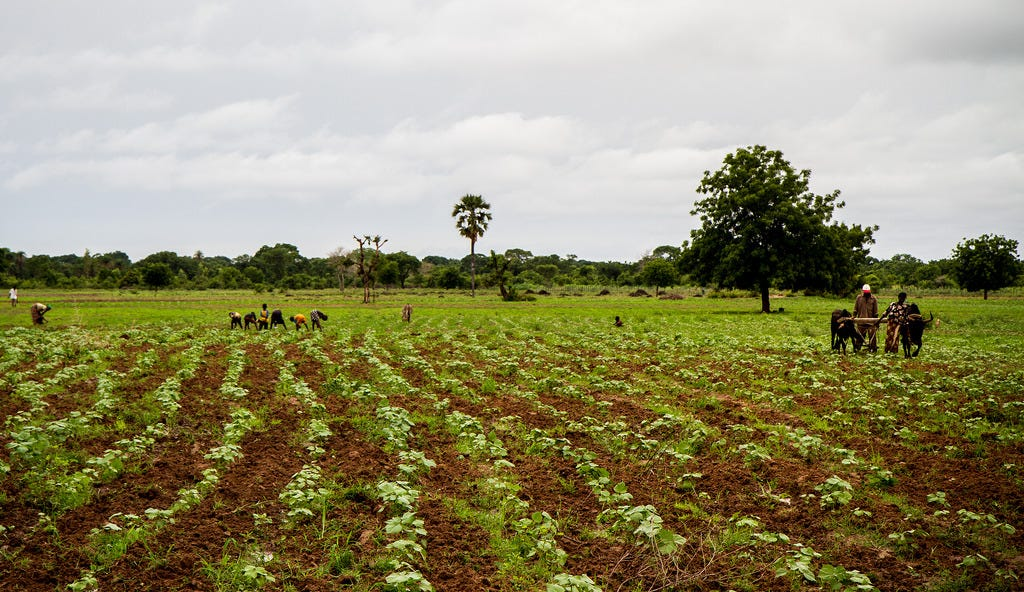
The grant will also strengthen the seed multiplication capacity of national agricultural research institutions and private seed companies to ensure steady supply across climate-smart villages.
Women and youth, who bear a disproportionate share of climate-related agricultural risk, will receive dedicated capacity-building support under the programme.
The project will also expand climate data gathering and monitoring across Sahelian countries. This system is expected to improve early warning capabilities and support evidence-based policy responses in the region.
The new Sahel funding comes as the AfDB intensifies support for agriculture and food systems across the wider continent, including East Africa, where food security challenges have been compounded by recurrent droughts, conflict, and market disruptions.
In East Africa, the Bank has been implementing a suite of programmes aimed at boosting productivity, improving climate resilience, and reducing dependency on food imports.
Through its Feed Africa Strategy, AfDB has financed major irrigation projects in Kenya, Tanzania, Ethiopia, and Rwanda, supported rehabilitation of degraded lands, and funded country-level early warning and drought-response mechanisms.
The Bank is also investing heavily in special agro-industrial processing zones (SAPZs) in several East African countries to attract private-sector investment into value addition and rural infrastructure.
In Kenya, AfDB has supported the expansion of climate-smart agriculture initiatives and backed programs that promote drought-tolerant seeds, water harvesting technologies, and farmer credit schemes.
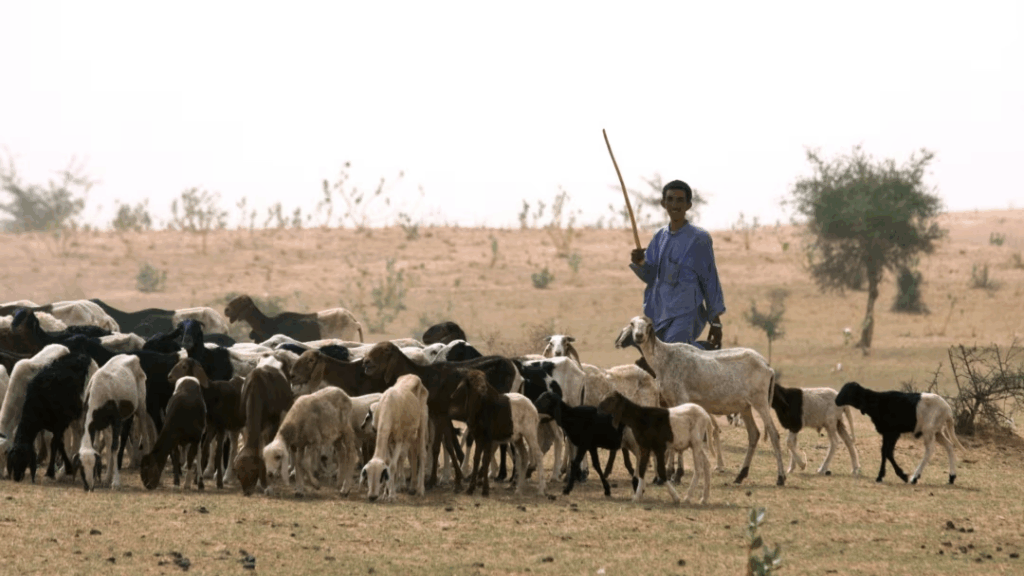
In Ethiopia and Uganda, the Bank has stepped up support for livestock value chains, including disease control systems and market linkages.
Across the region, AfDB financing has been critical in pushing adoption of climate-smart technologies such as solar-powered irrigation, digital weather advisory tools, and improved seed varieties, seen as essential to building resilience against increasingly unpredictable climate conditions.