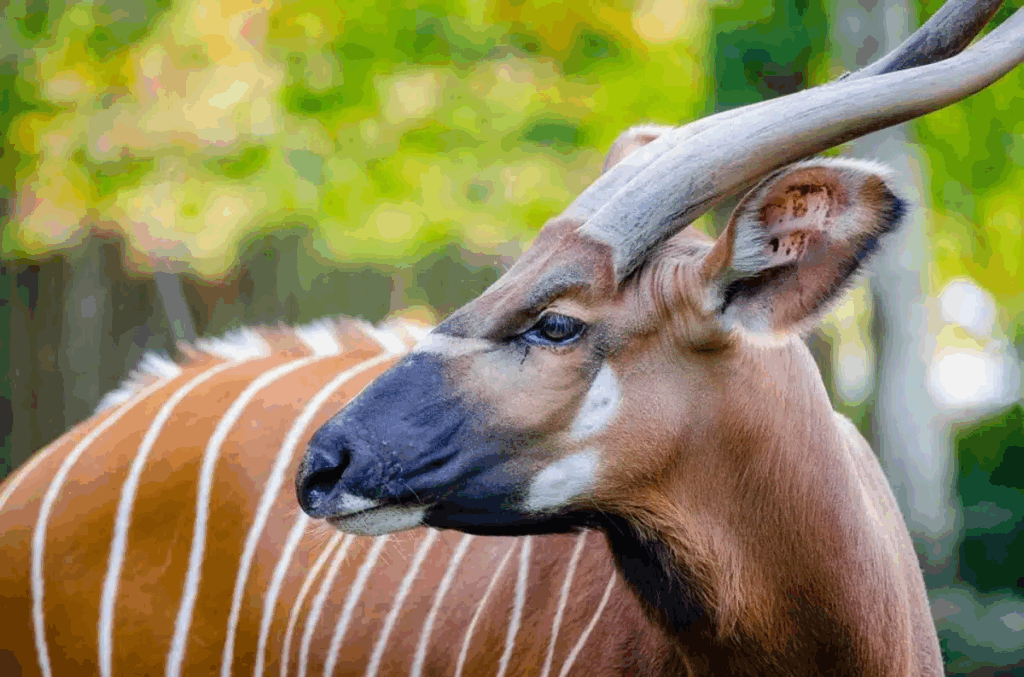

The Mountain Bongo, a rare and majestic antelope, is found only in the highland forests of Kenya. This critically endangered species faces a precarious future due to habitat loss and other threats.
The wild population is estimated to be fewer than 100 individuals, making every conservation effort vital. However, a rewilding program offers a significant glimmer of hope for the species’ survival.
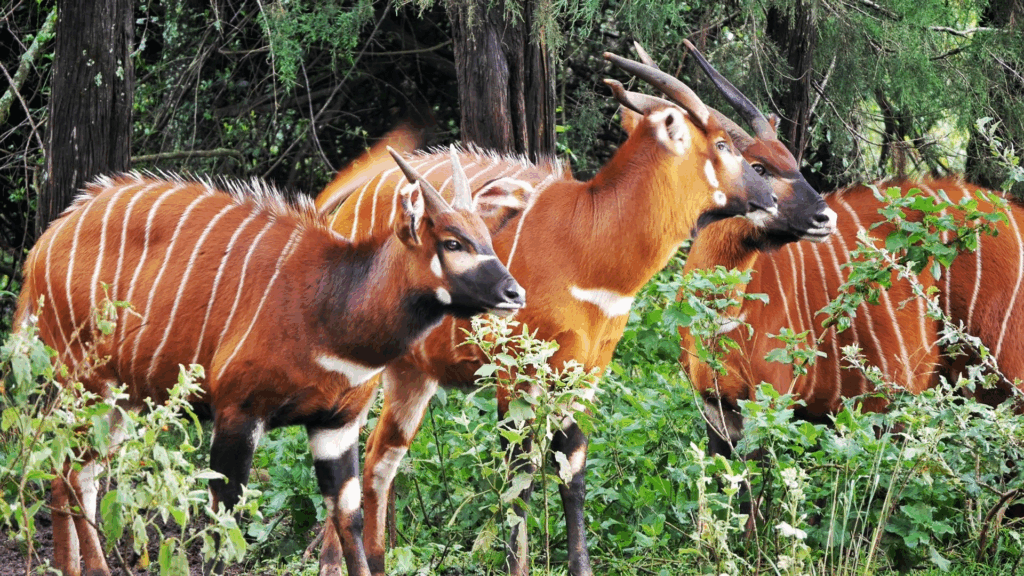
A carefully managed rewilding program has successfully grown the captive population. Over 90 individuals are now thriving in the Mount Kenya Wildlife Conservancy (MKWC).
This success is a major step towards the ultimate goal: re-establishing a viable, self-sustaining population in their native habitat. The program is a testament to dedicated conservation work.
The human element of this effort was recently celebrated in London. Laban Mwangi, a dedicated Kenyan ranger, was honored for his work protecting the Mountain Bongo.
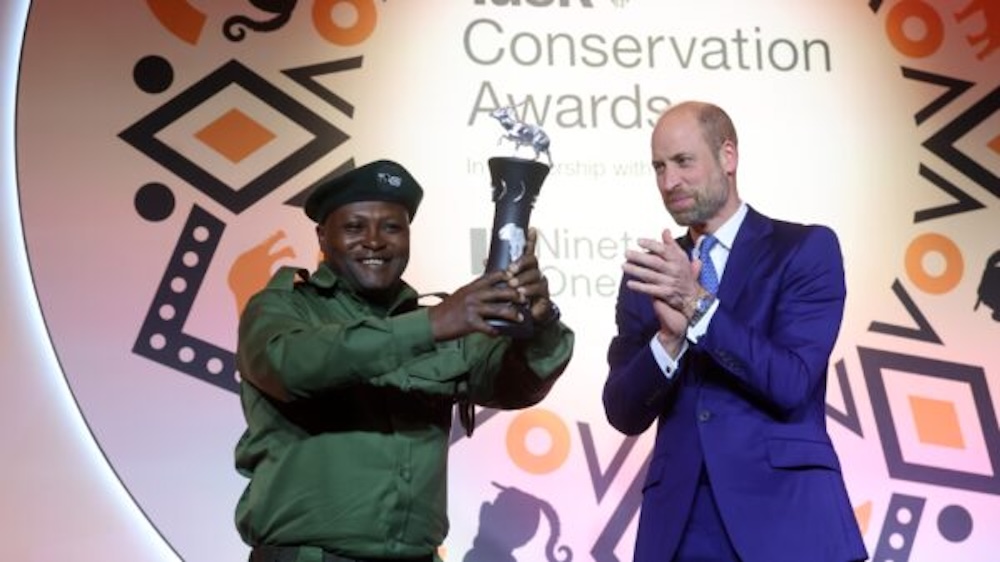
Mwangi, the Head Ranger at the Mountain Bongo Project, received the prestigious 2025 Tusk Wildlife Ranger Award. His 20 years of leadership provide a powerful human interest angle to the story.
Despite these conservation successes, the larger environmental context poses a constant threat. The expanding human footprint and land subdivision are encroaching on critical wildlife corridors.
This encroachment exacerbates human-wildlife conflict and puts immense pressure on the limited space available for the bongo. Habitat loss from illegal logging and agriculture remains a primary concern.
Furthermore, climate change and human pressure are leading to the rapid loss of key vegetation, such as acacia trees, in areas like Isiolo. Kenya’s energy boom also poses a hidden threat to local biodiversity.
The story of the Mountain Bongo is a balance of hope and threat. The rewilding program and the dedication of individuals like Laban Mwangi show what is possible with focused effort.
However, the success of these programs is fragile. It emphasizes the urgent need for continued vigilance and robust support for community-led conservation efforts across Kenya.