

Nairobi has solidified its position as a critical center for Africa’s green transition, hosting both major global environmental assemblies and securing significant financial commitments for climate action. The convergence of policy, finance, and innovation is driving a new phase of sustainable development across the country and the wider continent. This momentum is essential as the region grapples with the escalating and complex impacts of climate change.
The African Development Bank Group (AfDB) and KCB Bank Kenya recently formalized a substantial financial package to accelerate green lending. The $150 million deal was signed on December 11, 2025, and is structured to support climate-smart investments across various sectors. This funding includes a $100 million subordinated debt and a $50 million transaction guarantee, aimed at boosting the flow of capital to environmentally sound projects.
The agreement targets small and medium-sized enterprises (SMEs) and projects in renewable energy, sustainable infrastructure, and climate-resilient agriculture. KCB Bank has publicly committed to allocating 25% of its total loan portfolio to green initiatives by 2031. This institutional target reflects a growing trend among African financial institutions to integrate environmental sustainability into core business strategy.

Kenya’s energy sector provides a strong foundation for its green ambitions, with over 80% of its electricity generated from renewable sources, including geothermal, wind, solar, and hydro. This substantial clean energy base is now being leveraged to position the country as a hub for sustainable Artificial Intelligence (AI) and data centers. The strategy aims to attract high-tech investment while maintaining a low-carbon footprint.
However, this rapid scaling presents infrastructure challenges, particularly concerning water resources and the stability of the national power grid. Balancing the demands of a growing digital economy with the imperative of resource conservation remains a key policy focus for the government. The nation’s leadership in clean energy is further underscored by Nairobi’s selection to host the 2029 World Geothermal Congress (WGC), a first for the African continent.
The global focus on environmental policy was recently centered in Nairobi, which hosted the seventh session of the UN Environment Assembly (UNEA-7). The assembly highlighted the severe human cost of environmental degradation, with a key report noting that pollution is responsible for nine million deaths annually, surpassing the combined toll of war, HIV/AIDS, malaria, and tuberculosis. The discussions focused on advancing solutions for planetary resilience.
Beyond high-level finance and policy, practical solutions are being implemented at the community level. In the arid and semi-arid regions, pastoralist communities in Kajiado are adopting innovative rotational grazing practices to revive degraded lands. This ecological restoration is creating a new income stream through participation in carbon credit programs, linking conservation directly to economic benefit.

Furthermore, a partnership between Kenya and Sweden is addressing the significant issue of post-harvest food waste, which can reach up to 50% for fruits and vegetables. The initiative focuses on value addition and sustainable processing, aiming to create a more reliable food system that is less vulnerable to immediate weather conditions and market fluctuations.
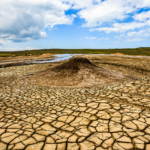
The urgency of these efforts is underscored by the direct human impact of climate change. Climate shocks, such as prolonged droughts and unexpected heavy rains, are driving a surge in gender-based violence in vulnerable regions. Women and girls face heightened risks of assault while undertaking long journeys to find increasingly scarce water and firewood resources, illustrating the complex social dimensions of the climate crisis.
Kenya’s multi-faceted approach—from securing large-scale green finance and hosting global environmental summits to implementing local, community-based solutions—demonstrates a comprehensive strategy for navigating the challenges of climate change and accelerating a sustainable economic transition. The focus remains on building resilience and fostering growth that is both environmentally and socially responsible.