
The world has edged closer to a critical climate threshold, with new data from the World Meteorological Organization (WMO) confirming that 2025 capped a third consecutive year of extraordinary global heat.
According to WMO, the 2025 average surface air temperatures reached 1.48°C above pre-industrial levels.
The finding places the planet perilously close to breaching the 1.5°C warming limit set under the Paris Agreement, which scientists have long warned would mark a sharp escalation in climate risks.
According to the WMO, the record-breaking temperatures are the product of decades of accumulated greenhouse gas emissions, driven largely by the continued burning of fossil fuels, deforestation, industrial activity, and intensive agriculture.
While natural climate cycles such as El Niño have contributed to short-term temperature surges, scientists are clear that human activity is the dominant cause of the sustained warming trend.
The past three years now form the hottest period ever recorded, reinforcing warnings that the global climate system is entering a new and more volatile phase.
Globally, the consequences of near 1.5°C warming are already visible. The WMO notes that climate extremes are no longer rare events but recurring features of everyday weather across much of the world.
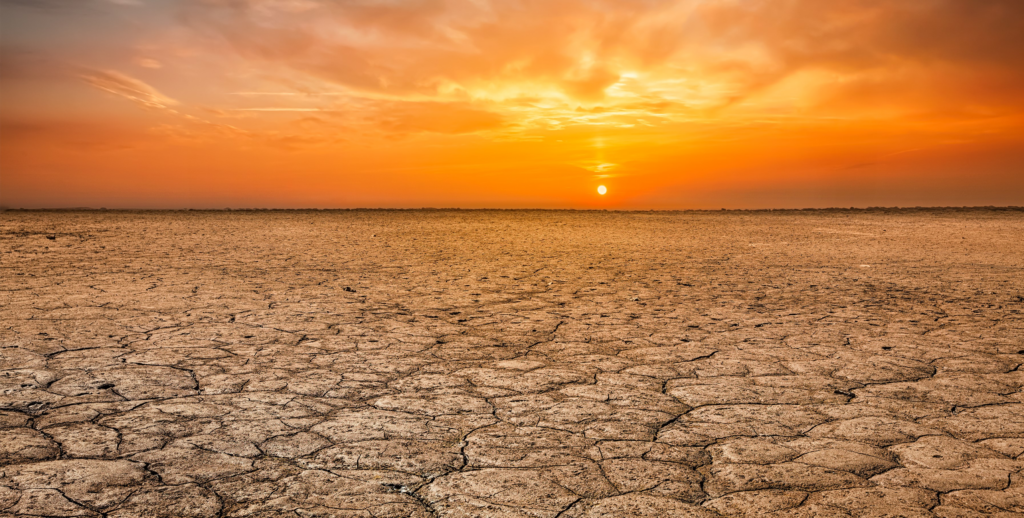
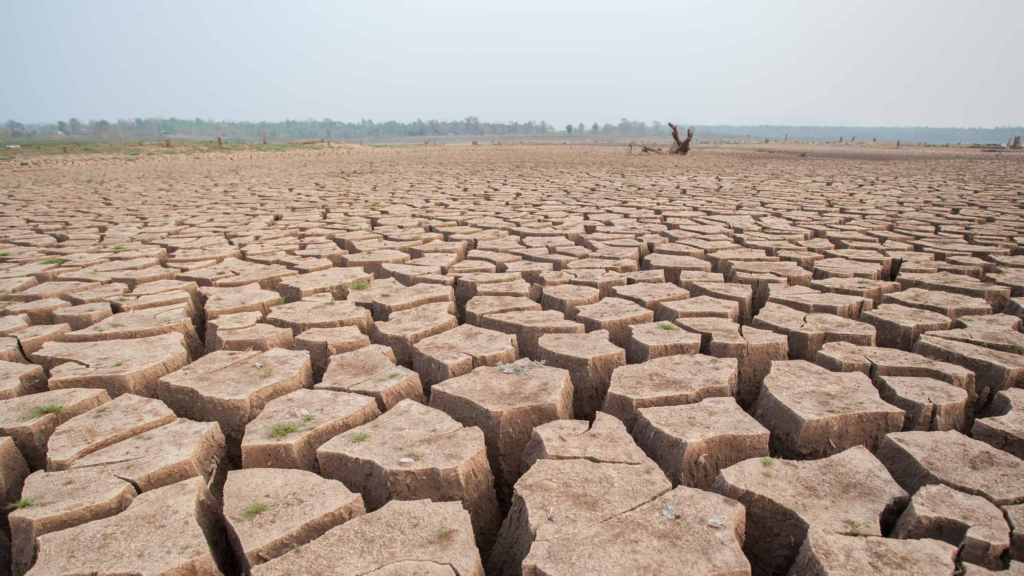
Heatwaves are becoming longer, hotter, and more frequent, straining public health systems and energy grids. Intense rainfall events are triggering floods in some regions, while prolonged droughts are becoming more prevalent. Glaciers and polar ice continue to retreat, contributing to rising sea levels that threaten coastal cities and low-lying island states.
Food and water systems are also under growing pressure. Higher temperatures and shifting rainfall patterns are disrupting crop cycles, reducing yields, and intensifying food insecurity, particularly in climate-vulnerable regions. At the same time, heat stress and the spread of climate-sensitive diseases are placing millions at increased risk.
For Kenya, the implications of this warming trajectory are especially severe. The country’s economy and livelihoods remain heavily dependent on climate-sensitive sectors such as rain-fed agriculture, livestock, and water resources.
Rising temperatures have already altered rainfall patterns in Kenya, producing cycles of devastating drought followed by destructive floods, a pattern that has become increasingly familiar across arid and semi-arid regions.
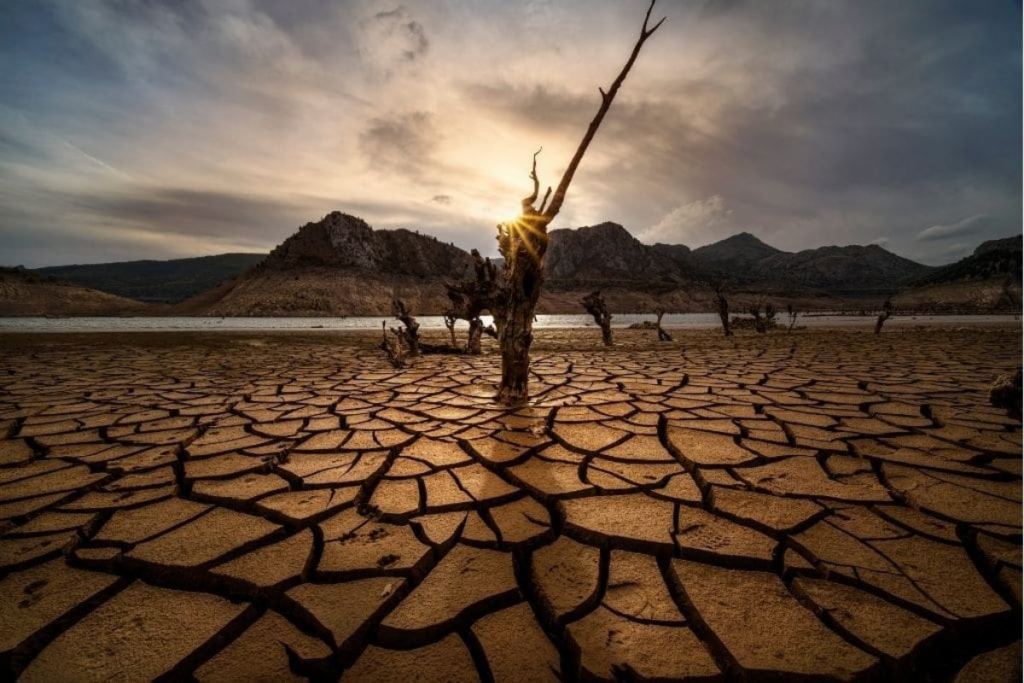
Maize production, a cornerstone of Kenya’s food system, has been repeatedly disrupted by heat stress and erratic rains, while pastoral communities face shrinking grazing lands and water shortages.
Higher temperatures also accelerate evaporation, compounding water scarcity in both rural and urban areas. Rivers, dams, and aquifers are under strain, even as demand rises from a growing population.
Public health risks are also mounting. More frequent heatwaves increase cases of heat exhaustion and dehydration, particularly among children, the elderly, and outdoor workers. Urban areas such as Nairobi and Mombasa face intensifying heat stress, amplified by concrete landscapes and limited green spaces.
The WMO warns that without rapid and sustained cuts in global greenhouse gas emissions, temperatures are likely to continue rising, making extreme weather more destructive and adaptation more costly.
For Kenya, this underscores the urgency of investing in climate-resilient agriculture, water management, early warning systems, and renewable energy, while also pushing for stronger global action to curb emissions.