
The National Drought Management Authority (NDMA) has intensified its coordination efforts to combat the prevailing drought across Kenya. This response is anchored by the activation of national and county-level mechanisms to strengthen on-the-ground interventions.
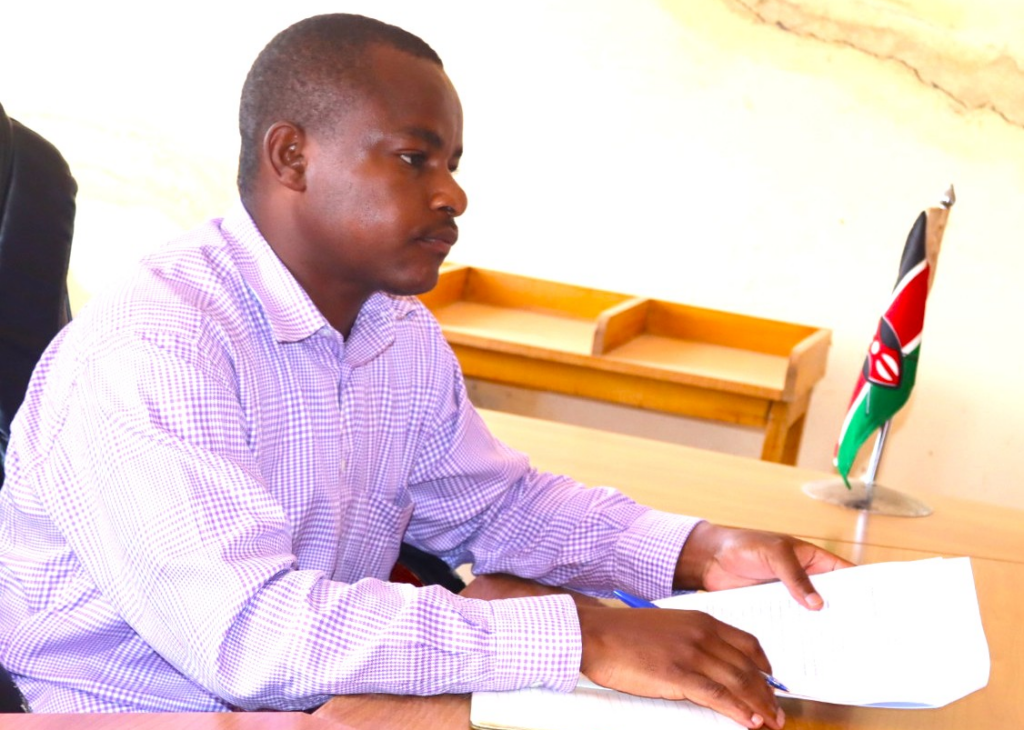
A critical review took place at the Lagdera Sub-County Steering Group meeting in Modogashe, chaired by Deputy County Commissioner Mr. James Mutuku. The gathering assessed the rapidly evolving situation and its impact on local communities.
Severe drought conditions are affecting several wards, characterized by acute water shortages and limited pasture availability. This scarcity is forcing livestock to trek long, unsustainable distances in search of sustenance.
These environmental pressures are undermining livestock productivity and local food production. The crisis has also triggered increased human and livestock migration, significantly heightening the risks of resource-based conflict.
The steering group strongly emphasised urgent conflict management measures to mitigate these rising tensions. Food security indicators across the region remain outside their normal seasonal ranges, underscoring the severity of the crisis.
NDMA leadership stressed that strong coordination between the national and county governments, alongside partners, remains absolutely critical. The focus is on ensuring equity, transparency, and accountability in the implementation of all response interventions.
Furthermore, local Chiefs were called upon to mobilize parents to ensure children return to school. The government is implementing measures to support school retention throughout the drought period, recognizing education as a long-term protective factor.
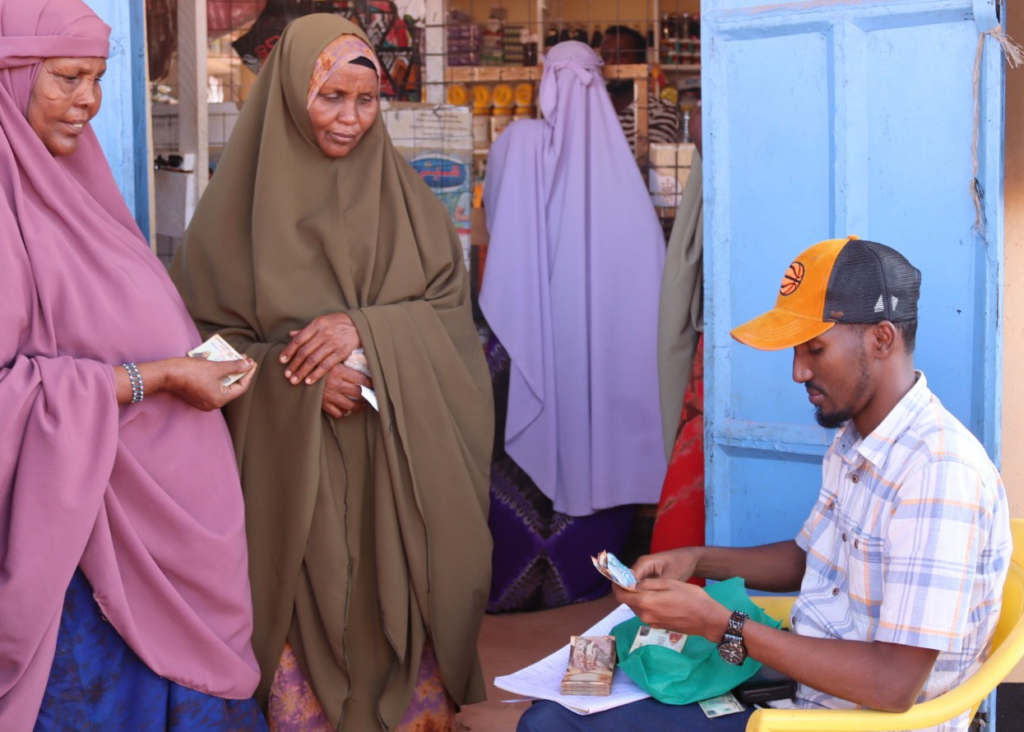
The National Government’s early drought response is spearheaded by the Hunger Safety Net Programme (HSNP), a key pillar in reducing hunger and strengthening resilience. The government has recently disbursed Sh870.38 million in cash transfers to 132,780 vulnerable households as part of this effort. The cash transfers complement wider interventions implemented with humanitarian and development partners.
HSNP is an unconditional Government cash transfer programme implemented by the NDMA under the Ministry of East African Community, Arid and Semi-Arid Lands and Regional Development. It is part of the larger Inua Jamii National Safety Net Programme.
The programme supports the Bottom-Up Economic Transformation Agenda (BETA) by providing a protective shield for vulnerable households against climate-related shocks. This approach ensures dignity and flexibility in aid delivery.
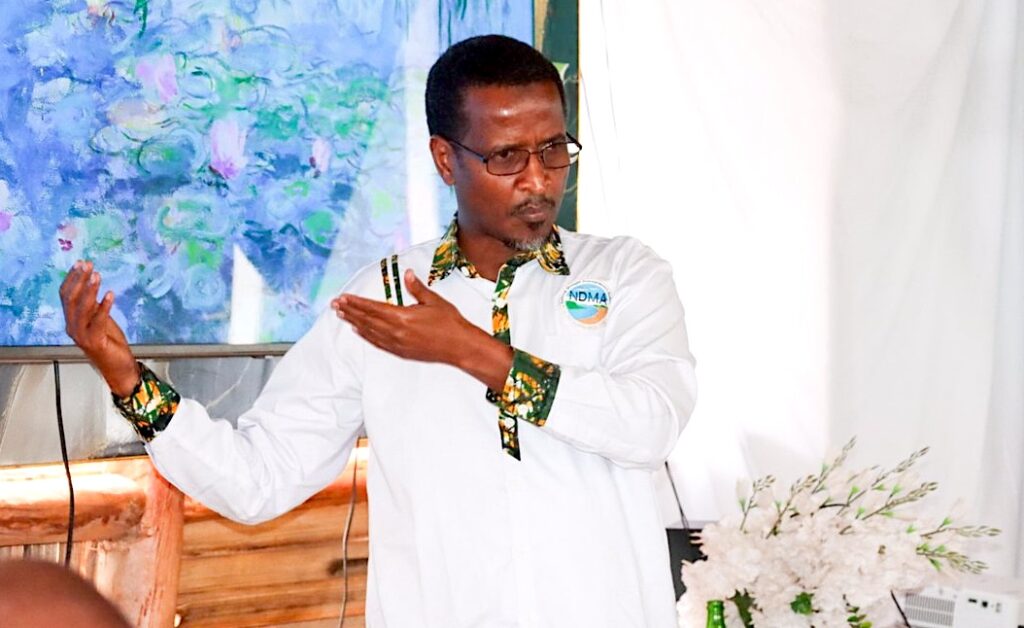
NDMA Chief Executive Officer Hared Adan noted that the programme remains a key pillar in reducing hunger, alleviating poverty, and strengthening resilience in drought-prone areas.
Beneficiaries will access the funds through Equity Bank and Kenya Commercial Bank (KCB) branches, as well as authorised agents within their counties. This ensures wide accessibility for the vulnerable populations.
Those facing access challenges have been advised to contact their nearest bank branch, NDMA county offices, or HSNP sub-county offices to update their details. This proactive measure aims to ensure no eligible household is left behind.
Complementary interventions are being implemented by the County Government and its partners, including Save the Children, CARE International, and the Food and Agriculture Organization (FAO). NDMA-supported water trucking is also expected to commence next week.
The comprehensive review in Lagdera reaffirms the need for close monitoring and timely, coordinated action. The multi-sectoral approach is essential to protect livelihoods and ensure the resilience of communities against the devastating effects of climate-induced drought.