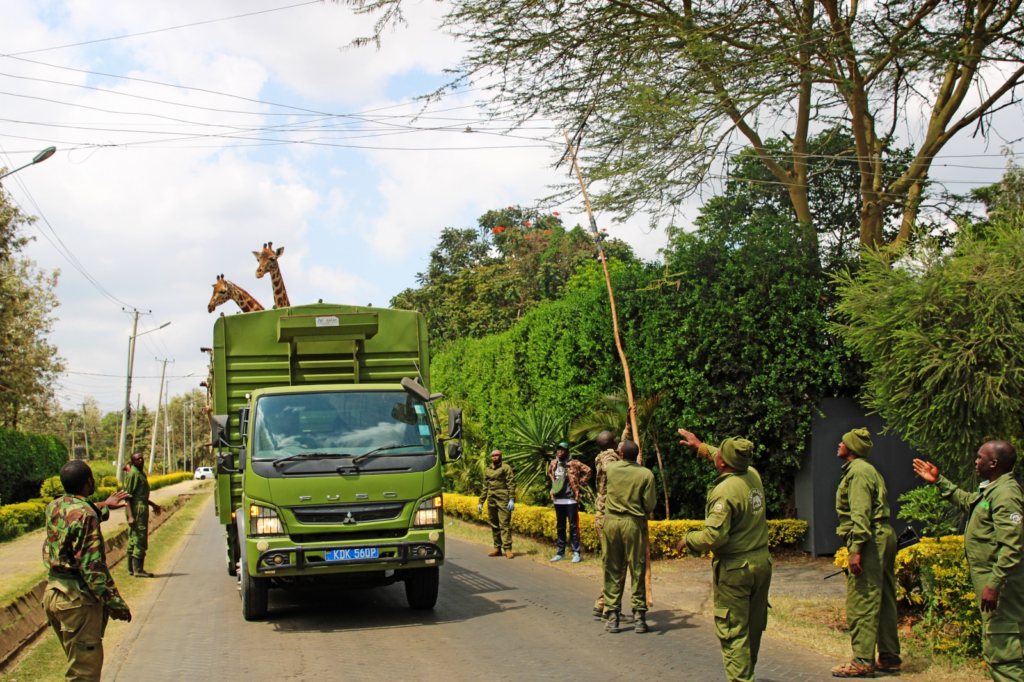

In a significant move for African biodiversity, the Kenya Wildlife Service (KWS) completed the translocation of three young Rothschild giraffes. The animals were moved from Soysambu Conservancy in Naivasha to the Giraffe Centre in Nairobi.
Aged between two and three years, these giraffes represent a vital genetic infusion for the population. The exercise was a proactive measure to strengthen genetic diversity and prevent inbreeding within the captive herd.
This conservation effort is critical for securing the long-term sustainability of the endangered Nubian giraffe population. The species, also known as the Rothschild giraffe, faces severe threats in the wild.
The translocation highlights the power of collaborative conservation in Kenya. It was implemented through a strong partnership between KWS, the Giraffe Centre, and Soysambu Conservancy.
Such joint efforts are essential for safeguarding Africa’s unique biodiversity. They demonstrate a shared commitment to the survival of one of the continent’s most iconic, yet vulnerable, species.
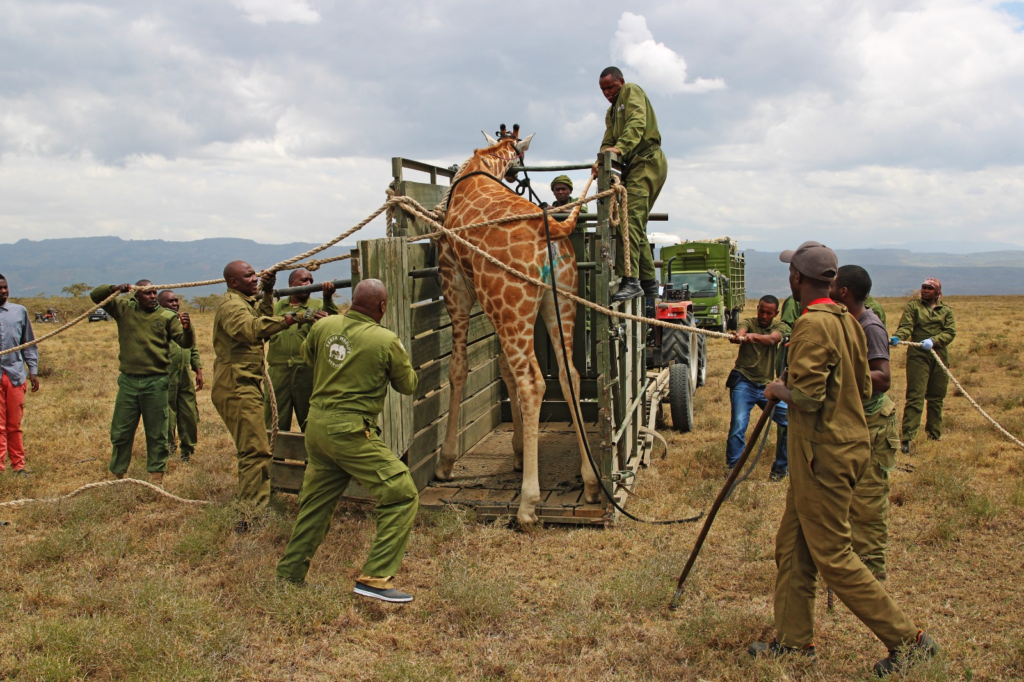
The Giraffe Centre, a non-profit organization, plays a crucial role in this strategy. It provides a safe environment for continued breeding and public awareness.
The introduction of new bloodlines is a scientific necessity. It ensures the captive population remains robust and healthy, capable of future reintroductions into protected areas.
This milestone also reinforces the value of conservation-based tourism. The Giraffe Centre is a major attraction, directly funding the very conservation work it showcases.
By strengthening the Nubian giraffe population, Kenya is investing in its wildlife economy. This secures a natural heritage for generations to come.
The success of this delicate operation underscores Kenya’s leadership in wildlife management. It serves as a model for other African nations facing similar conservation challenges.
The strategic movement of these three young giraffes is more than a logistical feat. It is a calculated step toward ensuring the survival of a species teetering on the brink.
It is a powerful reminder that the future of Africa’s wildlife depends on science, collaboration, and a long-term vision for conservation.