
Kenya will host the 2026 Clean Cooking Summit in Nairobi, bringing together governments and global energy leaders to expand access to clean cooking fuels and technologies for millions across Africa. This Summit is a continuation of international efforts to tackle unhealthy and polluting cooking methods.
The United States and Norway are partnering with Kenya and the International Energy Agency (IEA) to co-chair the Summit. Leaders aim to accelerate progress since the 2024 Summit held in Paris, where governments and private investors pledged over USD 2.2 billion for clean cooking projects.
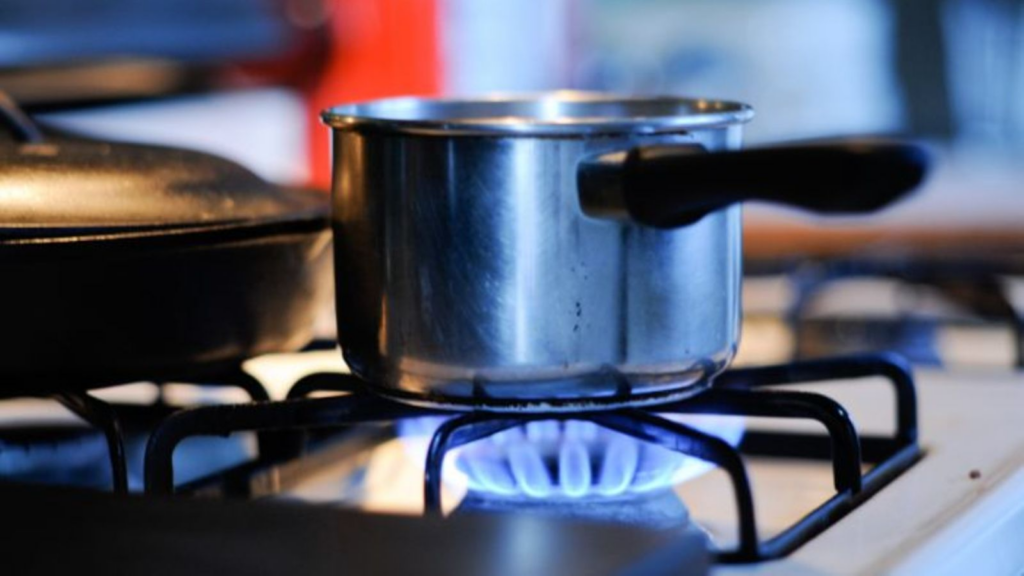
At the core of the 2026 Summit is a focus on scaling modern clean cooking solutions — including liquefied petroleum gas (LPG), electricity, biogas, and improved biomass stoves — to reach almost 1 billion Africans who still lack reliable and safe cooking energy.
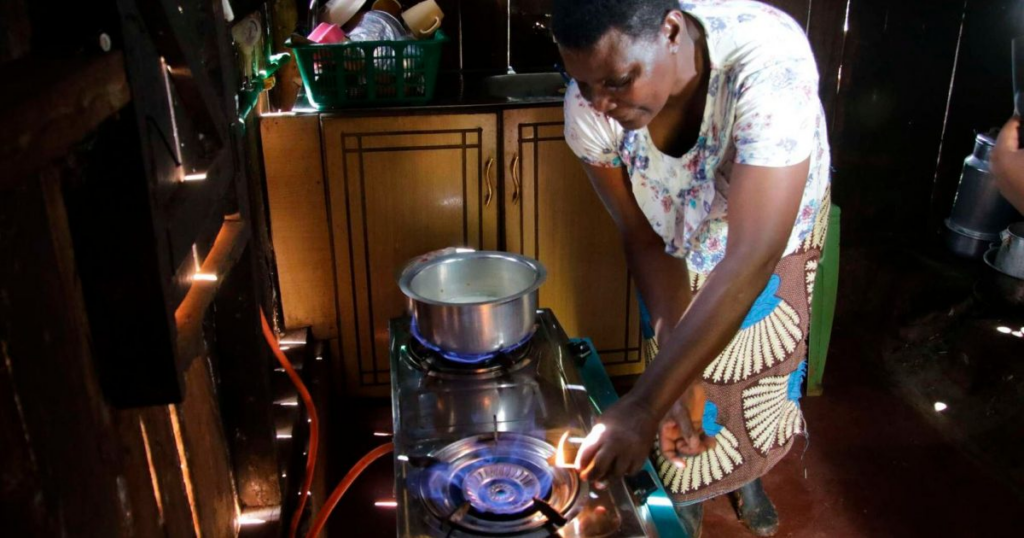
Recent IEA analyses underscore that clean cooking is not only a health issue but a critical part of the global energy transition. Households without access to clean cooking face greater health risks and environmental harm. Increased investment and policy support are essential to meet universal access goals by 2030 and beyond.
The Summit will highlight innovations in consumer finance models such as PAY-AS-YOU-GO LPG and targeted subsidy frameworks that help make modern cooking fuels affordable. Discussions will also explore incentives that attract private investment and strengthen supply chains across Africa.
Kenya’s leadership role reflects a broader shift in national energy strategies. The country has increased LPG adoption and experimented with new technologies and policy tools to link clean cooking with climate goals and forest protection.
As countries prepare for the 2026 Summit, stakeholders emphasise that scaling clean cooking energy transitions can unlock health, gender equity, economic, and climate benefits. Closing the gap will require coordinated action from governments, investors, communitie,s and civil society across Africa.