
The African Development Bank (AfDB) and the Ethiopian government have signed a significant financing agreement. This deal, worth USD 71.9 million, supports the “Building Resilience for Food and Livelihoods Ethiopia Component Program”. It represents a crucial step in addressing climate-related vulnerabilities across the Horn of Africa.
Signed on February 10, 2026, by Finance Minister Ahmed Shide and AfDB Director General Alex Mubiru, this initiative extends beyond Ethiopia. It is part of a broader regional strategy, with substantial implications for neighboring countries like Kenya and its vulnerable communities.
The financing includes a USD 25.64 million grant and a USD 46.30 million loan. The AfDB facilitates this funding as an accredited entity of the Green Climate Fund (GCF). This investment complements the ongoing “Building Resilience for Food and Nutrition Security” (BREFONS) program.
BREFONS is a multinational effort involving Djibouti, Ethiopia, Kenya, Somalia, and South Sudan. The interconnectedness of these nations, especially in shared pastoral and agro-pastoral regions, means that progress in one country often creates positive ripple effects across borders.
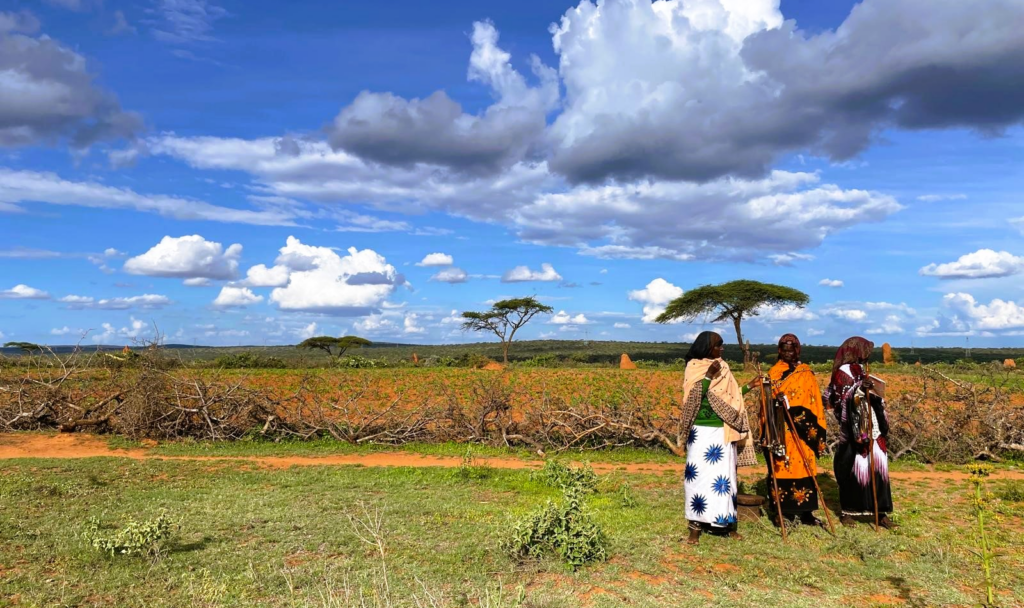
For Kenya, the Ethiopian program’s success is closely tied to its own climate resilience goals. Communities in cross-border areas, such as the Mandera triangle (Kenya-Ethiopia-Somalia), frequently share vital resources like water and grazing lands.
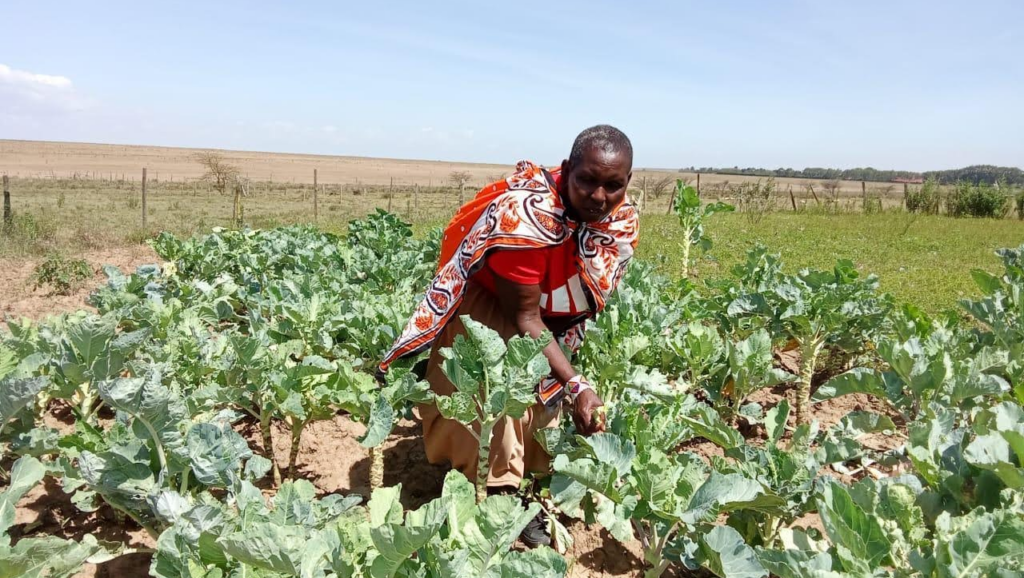
New climate-smart innovations, digital advisory services, and resilient infrastructure will be introduced. These include water facilities, community irrigation schemes, and livestock development. Such advancements will directly ease resource scarcity and reduce potential conflicts among pastoralist groups.
This initiative builds on the achievements of previous programs, like the Drought Resilience and Sustainable Livelihoods Program (DRSLP). DRSLP has already established critical infrastructure in Kenyan regions such as Turkana and West Pokot.
The impact on local Kenyan communities is expected to be transformative. The program prioritizes improving livelihoods, with a special focus on empowering women and youth. Enhanced access to climate financing and digital advisory services will help farmers and pastoralists adopt more sustainable practices.
Furthermore, the development of climate-resilient infrastructure, including renewable energy solutions, will boost food security. It will also contribute to long-term economic stability. Better management of shared water and pasture resources in border areas is key to fostering peace and reducing drought-induced tensions.
Beyond direct climate interventions, these regional programs benefit from broader economic integration. A simplified cross-border trade regime, launched by Kenya and Ethiopia in December 2025, will facilitate the movement of agricultural goods and livestock. This will further strengthen agro-pastoral value chains and boost regional incomes.
Simultaneously, peace and security initiatives, such as the DARIS WACAN program by IOM and IGAD, work alongside AfDB-funded projects. Their goal is to ensure that climate resilience leads to lasting community stability, particularly in the Karamoja and Mandera clusters.
Ultimately, the Ethiopia-AfDB financing deal is more than a national investment. It is a strategic part of a larger, integrated vision for a resilient and prosperous East Africa. By addressing shared climate vulnerabilities and promoting cross-border cooperation, these initiatives pave the way for sustainable growth and enhanced food security for millions across the region, including Kenya.