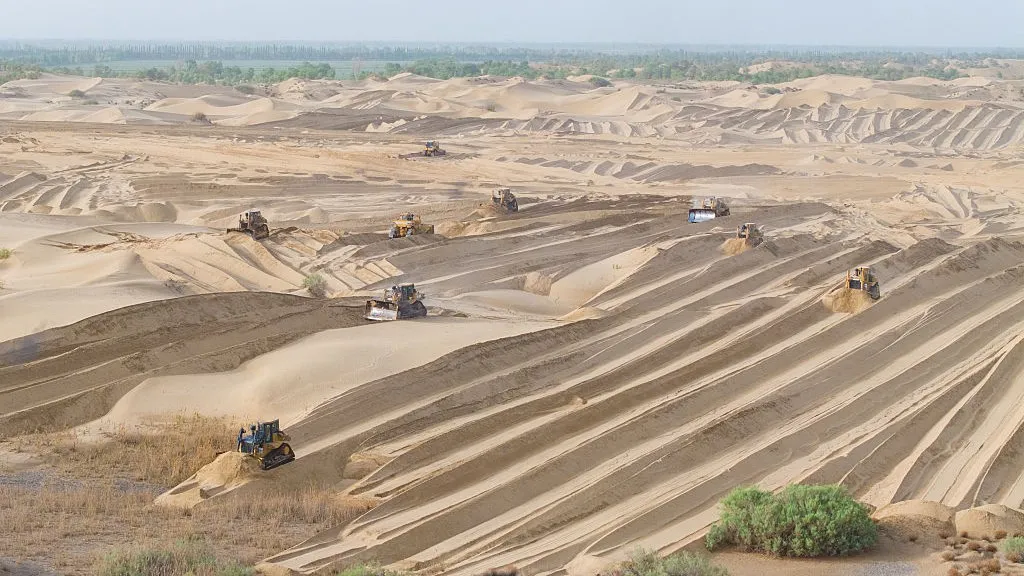

China’s remarkable success in transforming the Taklamakan Desert into a carbon sink offers a powerful blueprint for Kenya’s own battle against desertification. By planting billions of trees, China has not only halted the desert’s advance but also created a massive carbon sink, demonstrating that even the most arid landscapes can be revitalized. This achievement provides valuable lessons for Kenya as it confronts its own environmental challenges, where nearly 45 percent of the land is affected by desertification.
Just as China faced the threat of expanding deserts, Kenya is grappling with significant land degradation and its impact on communities. The success of China’s “Great Green Wall” underscores the importance of large-scale, sustained afforestation efforts. For Kenya, this means prioritizing and investing in ambitious tree-planting initiatives, similar to the national goal of planting 15 billion trees by 2032 to achieve a 30 percent forest cover.
One of the key takeaways from China’s project is the critical role of government leadership and long-term commitment. The Three-North Shelterbelt Program, initiated in 1978, has been a multi-decade endeavor, highlighting that environmental restoration is a marathon, not a sprint. Kenya’s political will and consistent policy implementation will be paramount to the success of its own green ambitions, moving beyond one-off events to sustained national programs.
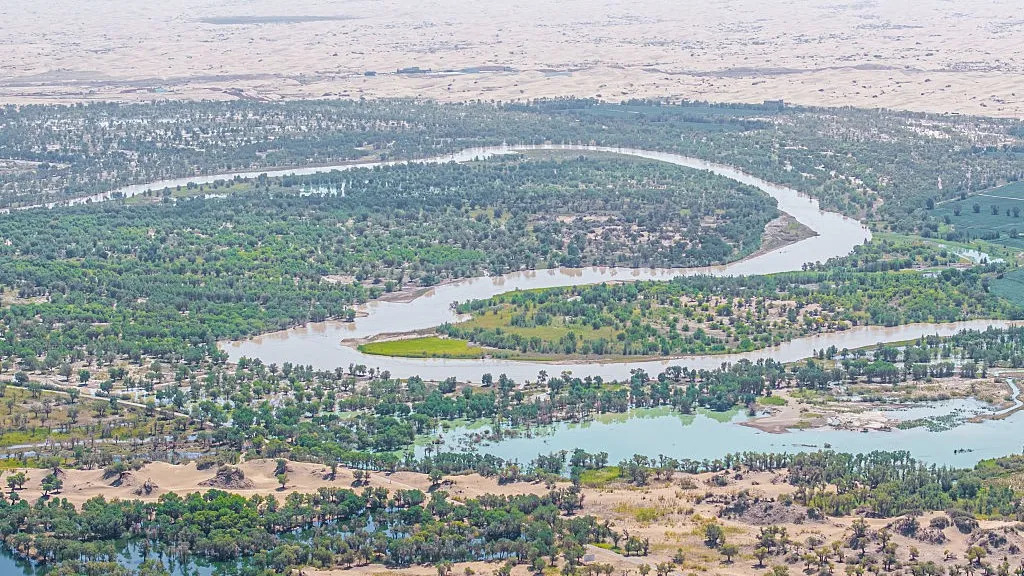
Furthermore, China’s approach involved more than just planting trees; it integrated ecological restoration with economic development, creating green jobs and fostering a new environmental consciousness. Kenya can adopt a similar model, empowering local communities to participate in and benefit from afforestation projects. This creates a sense of ownership and ensures the long-term sustainability of these initiatives, particularly in arid and semi-arid lands (ASALs).
China’s journey also offers a crucial lesson in adapting to local conditions and avoiding pitfalls. While the scale of China’s project is immense, the selection of appropriate tree species is vital to avoid issues like invasive species, a challenge Kenya has faced with the “mathenge” tree. Kenya can tailor these strategies to its unique ecological zones, ensuring that its afforestation efforts are both effective and resilient.
By embracing the lessons from China’s success, Kenya can turn the tide against desertification, enhance its carbon sequestration capacity, and build a more sustainable and prosperous future for its people. The path is challenging, but as China has shown, with vision, commitment, and collective action, a greener tomorrow is within reach. This transformation is not just about the environment; it is about securing the future of Kenyan agriculture and water resources.