
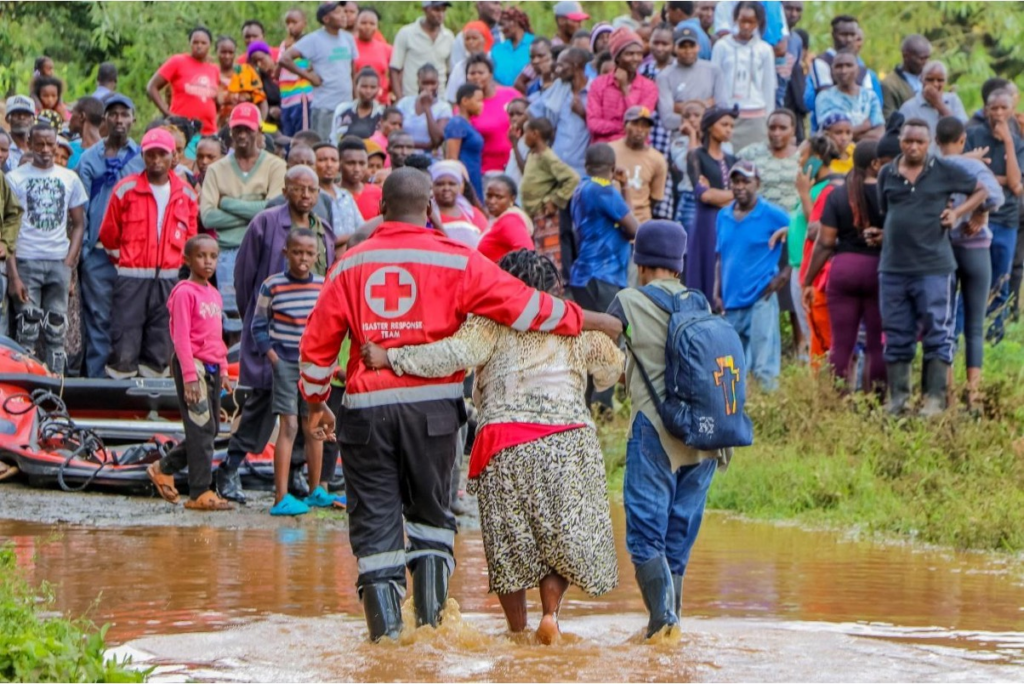

Climate-induced disasters in Kenya are now a permanent humanitarian condition requiring urgent policy reforms, the Kenya Red Cross (KRC) has said in a new policy brief.
The humanitarian agency warns that droughts, floods, and other climate-related shocks are now occurring every two years, and in some cases overlapping, placing millions of Kenyans in repeated cycles of crisis.
According to data cited in the brief from the National Drought Management Authority (NDMA), more than two million people are projected to face acute food insecurity by early 2026 in arid and semi-arid lands (ASALs), following poor rainfall seasons.
Analysis by the Integrated Food Security Phase Classification shows that 1.8 million people were already experiencing high levels of acute food insecurity between July and September 2025, with numbers expected to rise.
“Climate-driven shocks in Kenya and the larger Horn of Africa are no longer once-in-a-large-crisis events but a humanitarian constant,” the KRC brief states.
The organization notes that the October–December rains, which contribute up to 70 percent of annual rainfall in some parts of the country, have become increasingly unreliable.
Forecasts from the IGAD Climate Prediction and Applications Centre have consistently projected heightened climate variability and drought risk across the region.
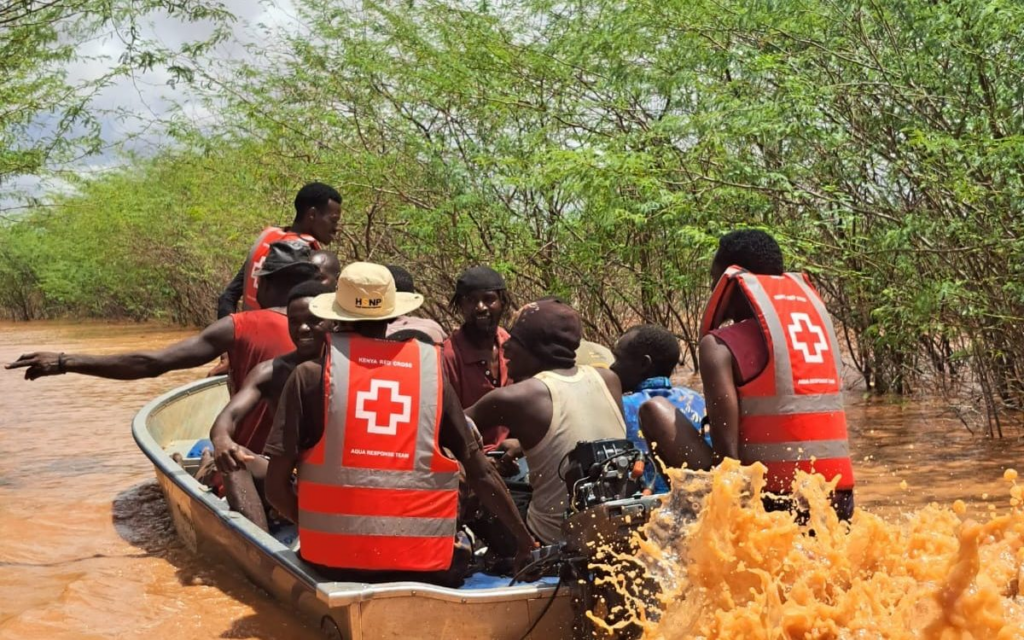
Despite improved forecasting systems and early warning mechanisms, the brief says humanitarian response systems remain largely reactive.
“Even though warning mechanisms and seasonal weather forecast systems are quite predictable at predicting climate disaster risks several months before they happen, humanitarian funding and response support systems are often triggered only after crisis thresholds are achieved,” the report notes.
KRC argues that anticipatory action, where funding is automatically released once agreed climate triggers are met, is more cost-effective and reduces human suffering compared to emergency responses after disasters strike.
Evidence from the International Federation of Red Cross and Red Crescent Societies shows that pre-disaster financing lowers long-term humanitarian expenditure and protects livelihoods before they collapse.
The KRC brief also highlights a disconnect between climate science and financing frameworks. While early warning systems are considered sufficiently advanced, funding mechanisms remain tied to short-term emergency appeals, limiting investments in preparedness and resilience.
Kenya’s macroeconomic outlook shows relative stability, with inflation declining and GDP projected to grow steadily between 2025 and 2027. However, poverty levels remain high, leaving nearly 40 percent of the population vulnerable to sudden shocks.
The government has formally recognized climate change as the “fifth threat to national security,” requiring integration of disaster risk reduction into development planning.
KRC calls for institutionalizing anticipatory action within national climate governance frameworks, aligning climate financing with long-term and flexible instruments, and strengthening locally led preparedness in ASAL counties.
The brief also urges faster passage of the National Disaster Risk Management Bill 2023 to establish a predictable national disaster fund.
In addition, the organization recommends integrating ecosystem protection, including rangeland and water resource restoration, into humanitarian risk reduction strategies.
Beyond technical reforms, the brief calls for a shift in humanitarian diplomacy to address ethical questions of prioritization and burden-sharing in what it describes as a “permanent climate crisis.”
“The decisive policy issue is not whether humanitarian systems should change,” the report concludes, “but whether they will change in time before the next expected disaster is experienced.”
The Kenya Red Cross warns that without reforms, Kenya risks remaining trapped in a costly cycle of emergency appeals, temporary relief and recurring humanitarian crises as climate change intensifies.