


For Kenyan households and industries, the recent surge in global oil prices, driven by geopolitical tensions in the Middle East, particularly concerns around the Iran conflict, presents a tangible threat to economic stability. As international crude benchmarks like Brent flirt with higher thresholds, the ripple effect is felt directly in energy bills nationwide.
This vulnerability underscores Kenya’s urgent pivot towards energy independence.
In response, Nairobi’s policy discussions have intensified, with a focus on decoupling the national energy landscape from the volatile fossil fuel market. With 90% of its electricity grid already powered by renewable sources, Kenya is not just pursuing an environmental goal; it is implementing a critical fiscal emergency strategy.
The government is fast-tracking decentralized solar and micro-grids to shield rural communities from these global price shocks, ensuring energy access and affordability.
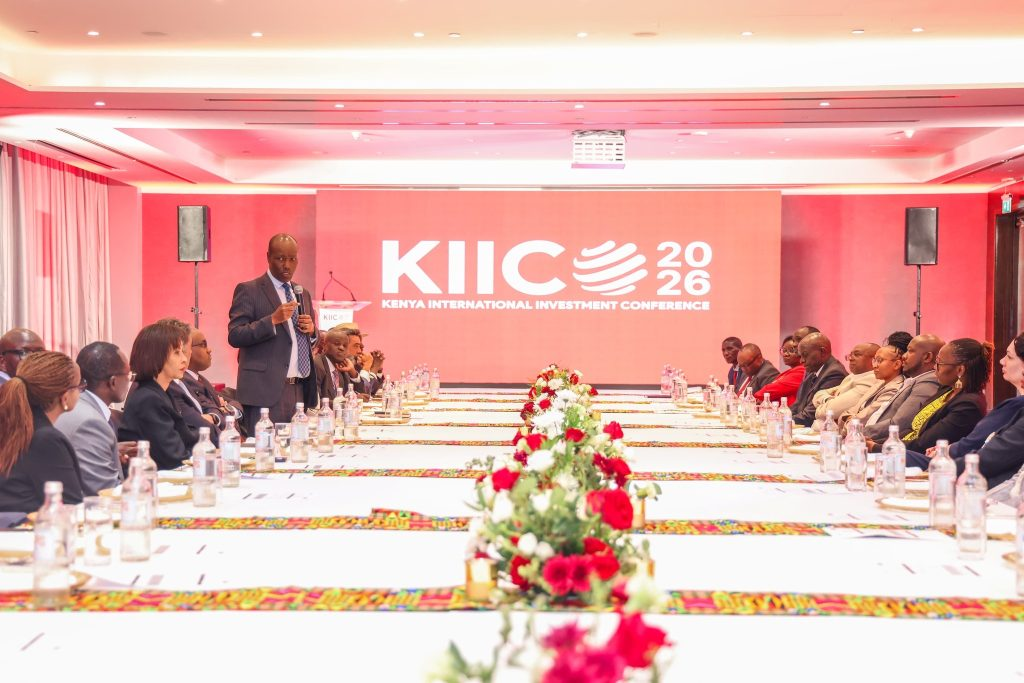
This proactive stance is not merely defensive. Kenya is actively transforming its energy independence into a significant economic advantage. In the lead-up to events like the Kenya International Investment Conference (KIICO 2026), officials are marketing the nation’s green grid as a compelling draw for international manufacturers.
This strategy is particularly potent given the impending full rollout of the European Union’s Carbon Border Adjustment Mechanism (CBAM) in 2026.
The CBAM will impose tariffs on carbon-intensive imports, creating a powerful incentive for industries to decarbonize their supply chains. For manufacturers, establishing operations in a country like Kenya, which boasts a predominantly renewable energy mix, offers a direct pathway to mitigate these new carbon taxes and enhance their global competitiveness.
This positions Kenya as a strategic hub for green industrialization, attracting investment and fostering sustainable economic growth across Africa.
Globally, the expansion of carbon pricing mechanisms continues to gain momentum. By 2025, carbon pricing is projected to cover approximately 28% of global emissions, mobilizing substantial funds for public budgets.
The introduction of new Emissions Trading Systems and carbon taxes, alongside the broadening scope of existing instruments, signifies a global commitment to incentivize decarbonization. While the cost of industrial carbon pricing currently represents a relatively small fraction of the value of a barrel of oil, its influence on investment decisions and energy strategies is undeniable, pushing nations and industries towards a more sustainable future.