
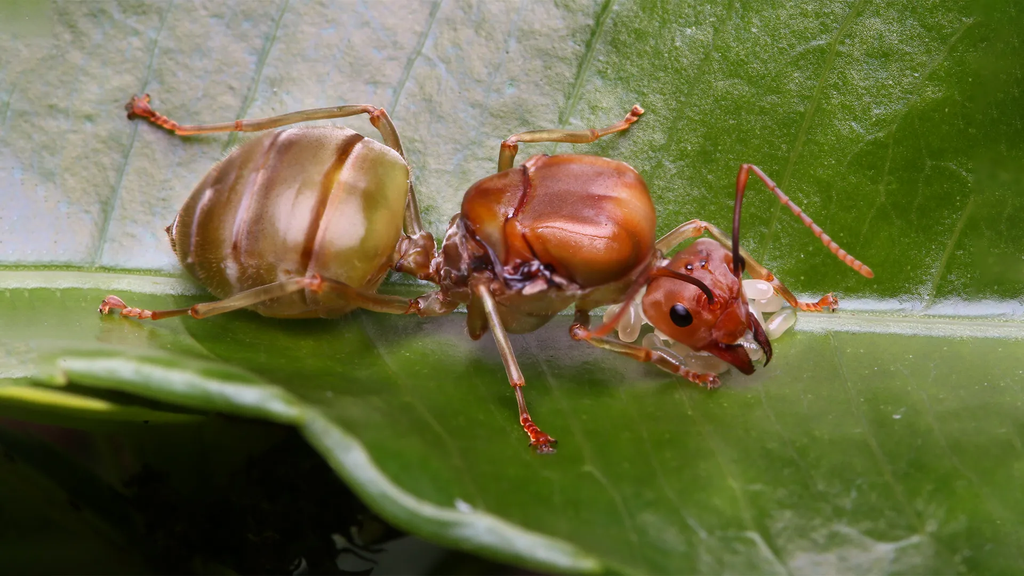

Police have arrested a Chinese at JKIA airport in Nairobi for allegedly attempting to smuggle more than 2,000 live queen garden ants out of the country.
Zhang Kekun, a 27-year-old Chinese national, was intercepted during routine security screening after officers discovered 2,238 live ants hidden inside test tubes and tissue paper rolls in his luggage.
The insects were identified as the giant African harvester ant, Messor cephalotes, a species native to East Africa and known for its large size and distinctive seed-gathering behaviour.
Investigators believe the suspect had spent about two weeks in Kenya collecting the ants and may be linked to a broader international network supplying exotic species to collectors abroad.
While Kenya is more accustomed to high-profile wildlife crimes involving elephant tusks and rhino horns, the ant seizure highlights an emerging trend in global wildlife trafficking of insects.
The unusual cargo was likely destined for enthusiasts involved in the rapidly expanding hobby of ant-keeping, where collectors maintain live colonies in specially designed glass habitats known as formicariums.
In recent years, the global market for exotic ants has surged, particularly in Europe and parts of Asia, where hobbyists are fascinated by the insects’ highly organized social structures.
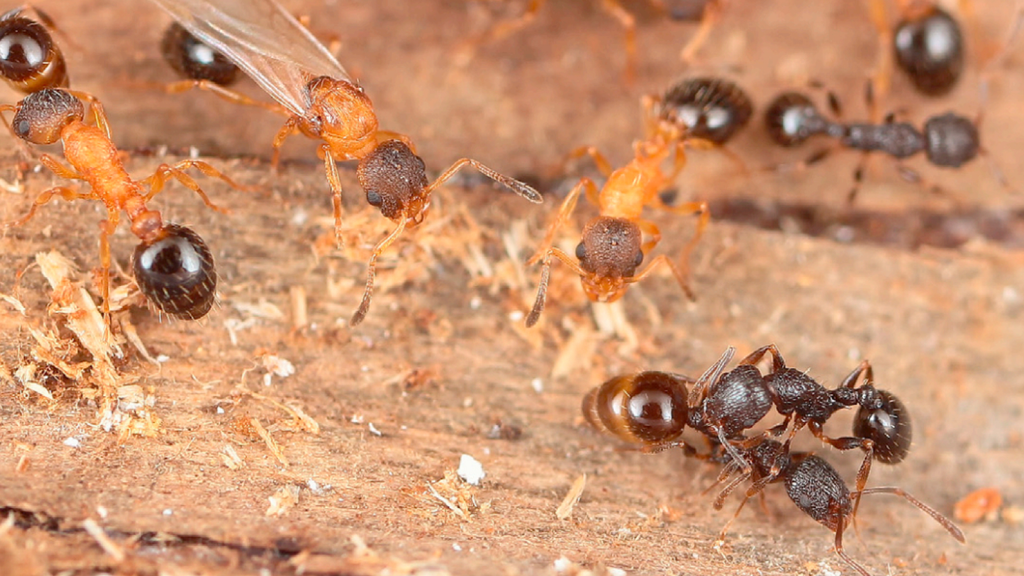
A single fertilized queen ant can establish an entire colony numbering in the thousands, making queens especially valuable to collectors.
Experts say rare species from Africa, Asia and South America are often traded online through specialist hobbyist forums and marketplaces, sometimes fetching hundreds of dollars each depending on the species.
The trade has become so lucrative that traffickers increasingly target countries with rich biodiversity such as Kenya, where insects are abundant and often poorly regulated compared to larger wildlife.
Scientists warn that removing large numbers of queen ants from the wild can have far-reaching ecological consequences.
Harvester ants such as Messor cephalotes play a crucial role in maintaining healthy ecosystems across Africa’s savannahs and dry forests.
By collecting and storing seeds underground, they act as natural dispersers that help regenerate grasses and plants across landscapes. Their tunnelling activities also aerate soil, improve nutrient cycling and support plant growth.
Their colonies also provide a vital food source for other species, including birds, reptiles and mammals such as aardvarks and pangolins.
Removing reproductive queens can therefore weaken or collapse entire colonies, disrupting ecological processes that help sustain biodiversity.
Authorities also warn that illegally exported ants could become invasive if introduced into foreign ecosystems, potentially harming agriculture and native species.