
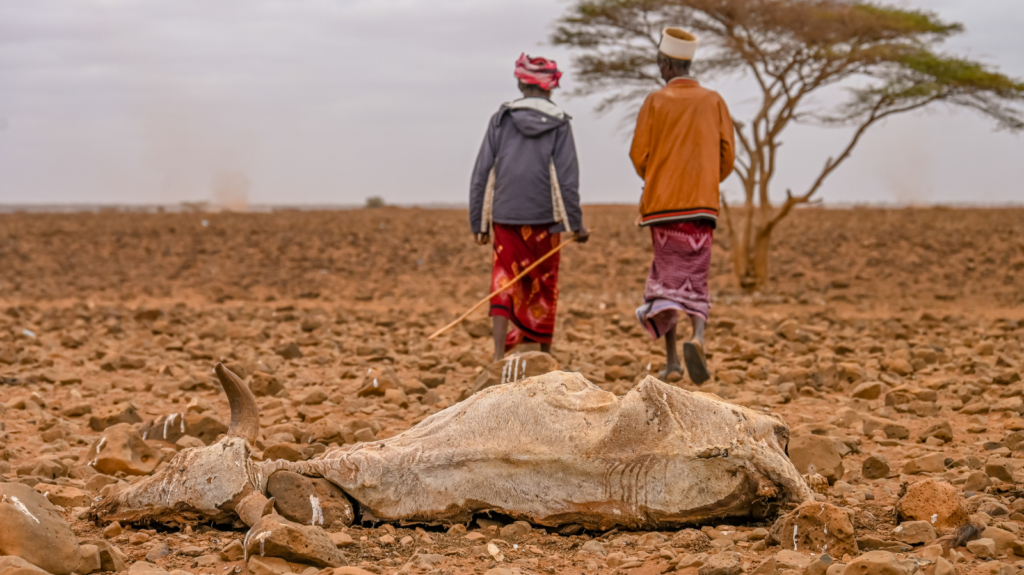

Kenya is entering a more unstable and unpredictable climate era as rising temperatures, erratic rainfall and intensifying extreme weather steadily reshape livelihoods, strain public health systems and undermine economic stability, a new report by the Kenya Meteorological Department (KMD) warns.
The State of the Climate in Kenya 2025 report presents an assessment of a country already living through the impacts of climate change. It shows that the foundations of Kenya’s economy – agriculture, water resources, health and infrastructure – are increasingly getting exposed to climate shocks that are becoming both more frequent and more severe.
According to the report, Kenya is getting hotter with average temperatures rising by about 0.88°C since 1960, with the pace of warming accelerating in recent decades.
In 2025, temperatures remained above the long-term average across most parts of the country, with central, northern and eastern regions experiencing particularly strong warming.
This warming is manifesting in more intense heat conditions, increasing water demand and placing growing stress on crops and livestock. Globally, the past decade, 2015 to 2025, was warmest on record, with 2025 temperatures reaching 1.42°C above pre-industrial levels.
The report further shows that rainfall is becoming increasingly unreliable, stating that in 2025, rainfall was poorly distributed both in time and space, with some regions experiencing heavy downpours while others endured prolonged dry spells.
Western and central highlands received near to above-average rainfall, but much of the country, especially arid, semi-arid regions and the coast, recorded below-average precipitation.
“Even where rains occurred, they were often mistimed, arriving too early, too late, or in short, intense bursts that offered little benefit to farmers,” the report shows. This growing variability is making it increasingly difficult to plan agricultural activities, manage water resources or anticipate risks, leaving communities more exposed to shocks.
The report documents that 2025 was marked by unusual weather events including heatwaves, floods, strong winds and localized cold spells, each bringing its own set of disruptions. In early 2025, temperatures soared above 41°C in parts of Wajir, while Nyahururu experienced unusually low temperatures dropping to around 4°C.
Heavy rainfall events triggered floods that displaced households and caused fatalities in counties such as Kilifi and Makueni, while strong winds damaged homes and infrastructure and high waves capsized boats along the coast.
At the same time, drought conditions deepened across northern Kenya, pushing several counties into alert and alarm phases as water and pasture became scarce.
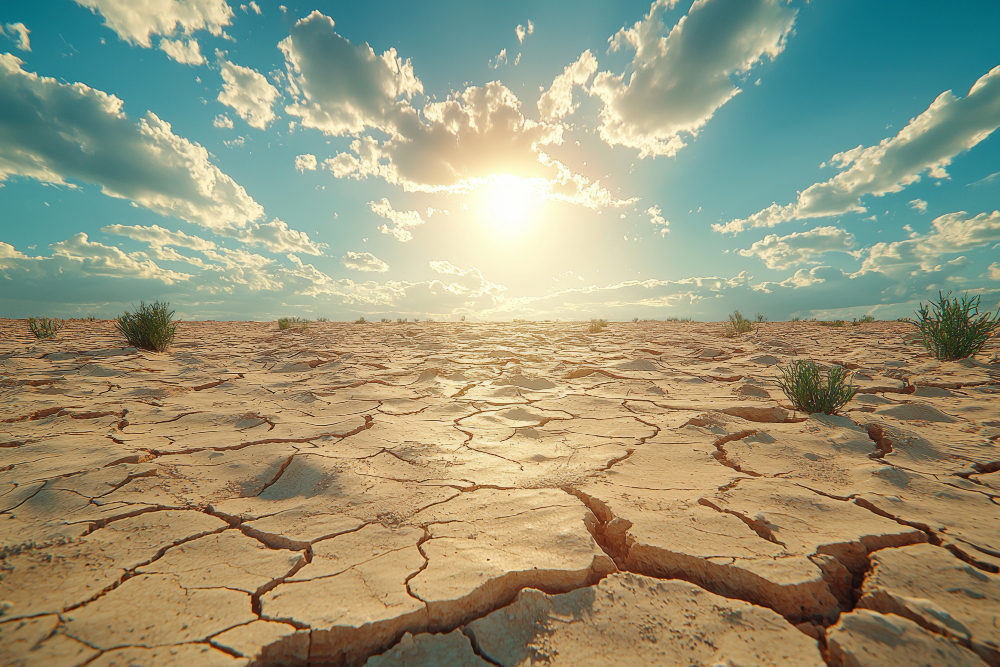
Nowhere are these impacts felt more acutely than in agriculture. Although national maize production reached about 4 million tonnes, slightly above the five-year average, the gains were uneven and masked severe losses in marginal areas.
In arid and semi-arid regions, crop yields fell significantly below long-term averages, with some areas experiencing complete crop failure, particularly during the short rains season. Household food stocks declined sharply, lasting just one to three months in some regions instead of the usual four to five, forcing families to rely more heavily on markets at a time of rising prices. By mid-2025, about 1.8 million people were facing high levels of acute food insecurity.
Livestock systems also came under pressure as drought reduced pasture availability, increased trekking distances and triggered disease outbreaks, weakening animals and reducing productivity.
The health sector is also feeling the strain of a changing climate. Flooding during the long rains season contributed to cholera outbreaks, with hundreds of suspected cases and multiple deaths reported.
Meanwhile, prolonged heat and dry conditions in northern Kenya fueled outbreaks of visceral leishmaniasis, a potentially fatal disease transmitted by sandflies. These health risks, the report states, are compounded by displacement, poor sanitation and limited access to clean water, all of which tend to worsen during climate extremes.
Beyond weather events, the report highlights deteriorating air quality. In Nairobi, monitoring shows that while pollution levels remain within national limits, all measured sites exceed World Health Organization (WHO) guidelines.
The highest pollution levels were recorded in densely populated areas of Dandora and Kariobangi, driven by traffic emissions, waste burning, industrial activity and household fuel use. This exposes urban residents to increased risks of respiratory and cardiovascular diseases, linking climate and public health challenges in new and complex ways.
Meanwhile, the country’s coastal and marine systems are also changing. Sea surface temperatures in the Western Indian Ocean remained above average throughout much of 2025, reflecting a broader warming trend.
These conditions are influencing weather patterns and marine ecosystems while raising concerns about sea-level rise and coastal flooding. Elevated tidal levels and stronger wave activity pose risks to infrastructure, fisheries and communities along the coast.
Underlying many of these changes are large-scale climate drivers. The report identifies a strong negative Indian Ocean Dipole as a key factor behind the poor performance of the short rains. Weak La Niña conditions and intra-seasonal systems such as the Madden-Julian Oscillation further contributed to rainfall variability and extreme events. Taken together, these interacting forces are producing a climate that is not only warmer but far less predictable.
The report concludes that climate change is a present and escalating crisis, calling for greater investment in early warning systems, climate-resilient agriculture, ecosystem protection and improved access to climate finance to strengthen the country’s ability to cope with future shocks.