

Agency
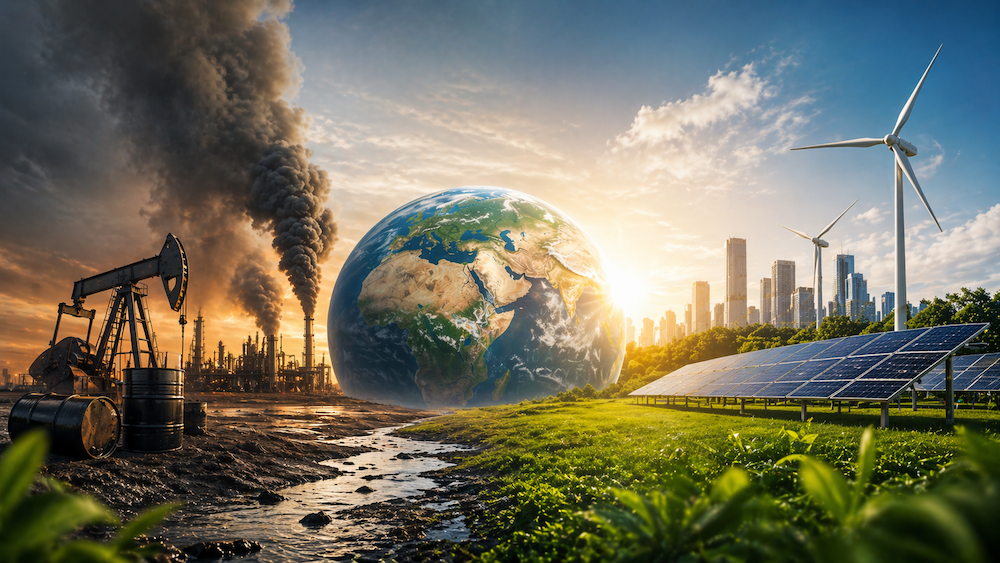
A new report by global energy think tank, Ember, suggests that recent disruptions in fossil fuel supply could hasten the world’s transition to clean energy, marking a potential turning point in global energy systems.
The report, finds that two major crises, the 2022 war in Ukraine and the 2026 closure of the Strait of Hormuz following USA and Israel attacks on Iran on March 28, have triggered shocks to global oil and gas markets more severe than those experienced during the oil crises of the 1970s.
According to the analysis, these “twin fossil shocks” could accelerate electrification and reduce dependence on fossil fuels, provided that governments adopt the right policy responses.
The report draws parallels with the oil shocks of 1973 and 1979, which reshaped global energy demand. In that period, the first shock slowed oil consumption growth, while the second contributed to a long-term decline in oil use for electricity generation.
However, the report notes a key difference between the two eras in that today, alternatives such as solar, wind, battery storage and electric vehicles are not only cleaner but often cheaper and faster to deploy than fossil fuels.
“Once installed, they are not exposed to fuel price volatility or import disruption,” the report states, arguing that this makes the current crisis potentially transformative rather than cyclical.
The findings suggest that global fossil fuel demand could be closer to an absolute decline than widely assumed. Among the expected trends, the report highlights faster electrification in Asia, growing pressure on liquefied natural gas (LNG) in power generation, and declining oil demand in transport due to rising electric vehicle adoption.
To fully leverage the moment, the report outlines four key priorities for governments which are removing fossil fuel subsidies and regulatory barriers, prioritising electrification across sectors, lowering electricity prices to encourage uptake, and building institutions suited to an electric-based energy system.
The Ember report warns against reverting to traditional responses such as expanding fossil fuel production or increasing subsidies, arguing that such approaches are outdated in a context where viable clean energy alternatives already exist at scale.