
By Agencies
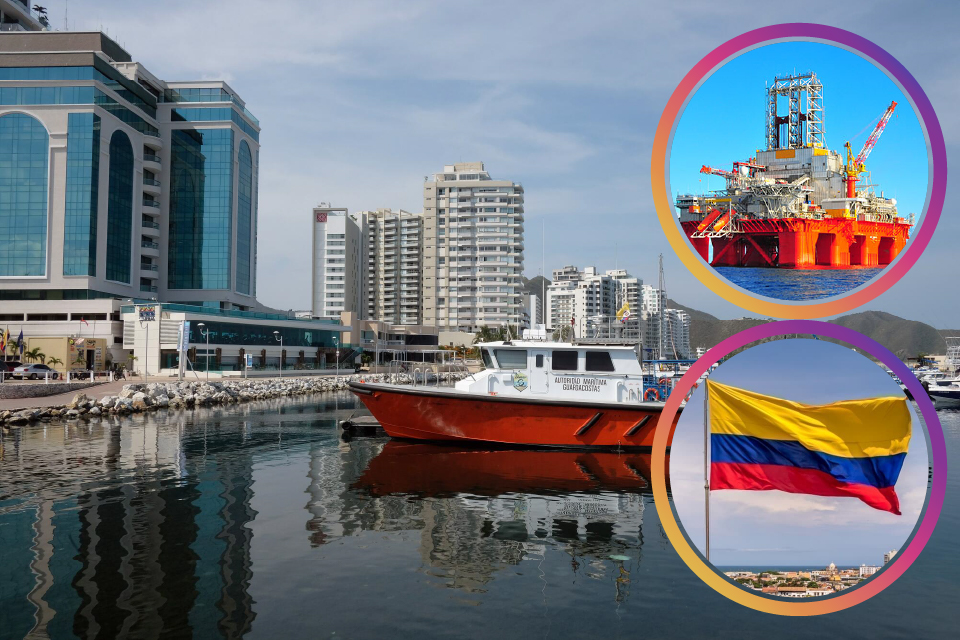
A historic shift in global climate action has started in Colombia with countries representing more than half of the world’s economic output convening for the first-ever international talks focused explicitly on phasing out fossil fuels.
The high-level meeting in Santa Marta has brought together 57 countries in what observers are calling a “coalition of the willing”, a group of nations attempting to do what years of global climate negotiations have struggled to achieve by moving from pledges to a coordinated plan to wind down coal, oil and gas.
Unlike traditional United Nations climate summits, which rely on consensus and are often slowed by competing interests, this new process is designed to accelerate action by those ready to move first. The strategy marks a decisive pivot in global climate diplomacy that could reshape energy systems without waiting for universal agreement.
At the heart of the talks is a recognition that the fossil fuel era is ending through a gradual and managed transition driven by economics, policy, and risk.
The Santa Marta discussions aim to build the frameworks consisting of financial, scientific and institutional needed to guide that transition before it is forced chaotically by crises.
The participating countries collectively represent over 50 percent of global GDP, giving the initiative significant economic weight even in the absence of some of the world’s largest emitters such as China, the United States and India. However, the presence of countries like Brazil, Canada and Nigeria underscores the growing recognition that fossil fuel dependency carries rising economic and geopolitical risks.
The agenda extends beyond emissions cuts as delegates are working to define national roadmaps for reducing reliance on fossil fuels, mobilising climate finance, and managing the social and economic consequences of transition, particularly for developing economies.
A new global expert panel launched alongside the talks is expected to provide scientific and policy guidance to countries navigating this shift. The panel will focus on aligning national energy strategies to limit global warming to 1.5°C, while addressing concerns around energy security, economic stability and development.
Many African economies remain heavily dependent on fossil fuels for export revenues and energy access, yet the continent is also among the most vulnerable to climate impacts and holds vast untapped renewable energy potential from solar to geothermal.
The Santa Marta talks signal that timed for transition is ripe with financial markets already adjusting through capital that is increasingly flowing toward renewable energy and away from fossil fuel assets perceived as high-risk in a decarbonising world.
At the same time, recent geopolitical shocks, including disruptions in global oil supply, have exposed the fragility of fossil fuel–dependent energy systems, reinforcing the urgency of diversification.