
The Kenya Wildlife Service (KWS) has activated an emergency multi-agency operation involving the National Environment Management Authority (NEMA) and the Water Resources Authority (WRA) following a suspected chemical discharge threatening ecosystems within Nairobi National Park.
Teams are already on the ground collecting water samples, mapping the pollution pathway, and working to contain the contaminated flow before it causes further damage to wildlife and critical water systems.
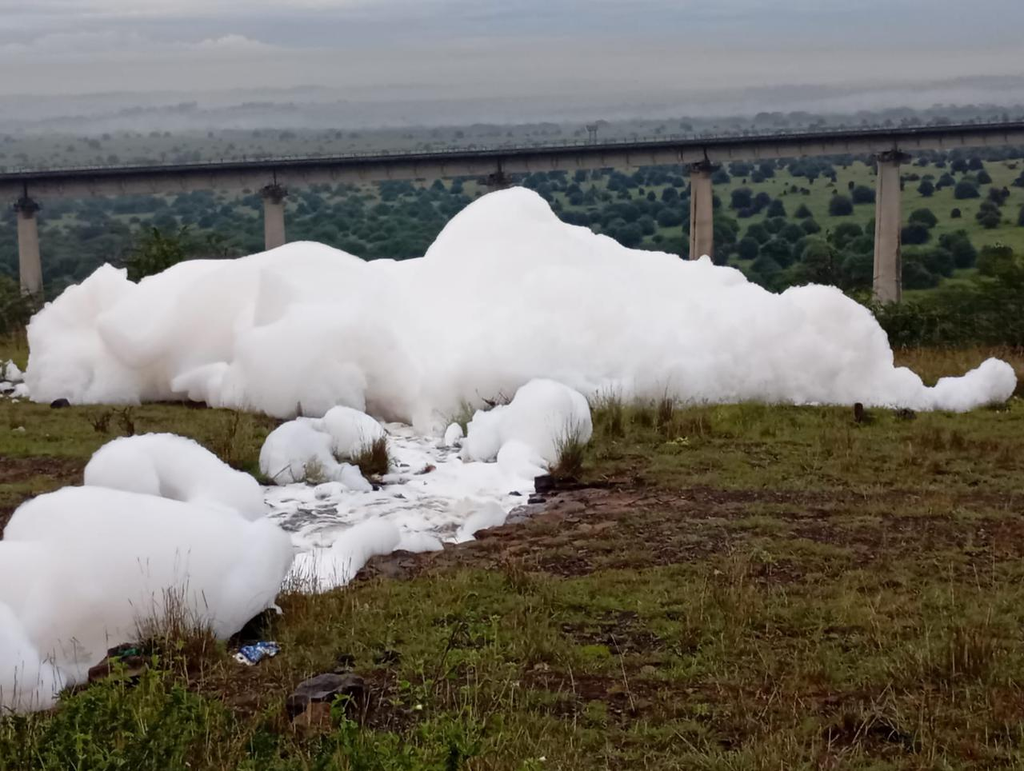
The rapid response was triggered on the morning of April 30, 2026, after KWS officers observed abnormal foamy water entering the park through the Mlolongo drainage corridor. The inflow, described as white, effervescent, and unnaturally coloured, raised immediate concerns of toxic contamination.
Investigators have begun tracing the source of the discharge, with early attention on nearby industrial areas around Mlolongo, including zones near Orbit Chemical Industries Ltd. Authorities say laboratory analysis will be key in confirming the origin and composition of the pollutants.
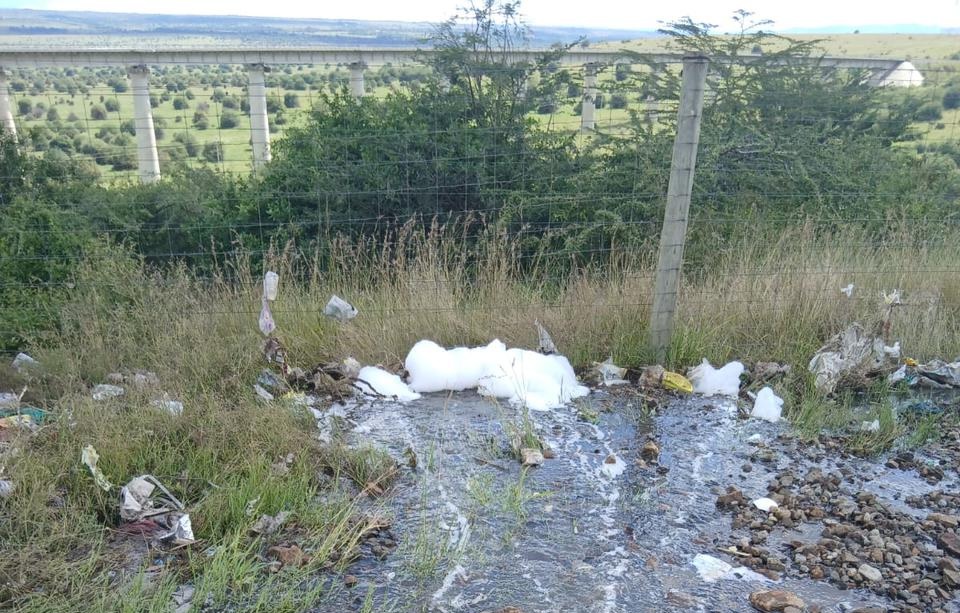
The contaminated water is flowing into the Mbagathi River and Athi River systems, placing Athi Dam and downstream users at risk. The potential impact extends to aquatic life, wildlife, and communities that depend on the water for farming, livestock, and domestic use.
KWS has issued a public advisory urging residents to avoid contact with affected water bodies, refrain from fishing, and report any unusual water conditions or distressed wildlife.
At the same time, the agency has warned industries within the catchment against illegal discharge of untreated waste, stating that offenders will face prosecution, fines, closure of facilities, and liability for environmental restoration.
Investigations remain ongoing as authorities race to contain the pollution and prevent further harm to one of Kenya’s most vital ecosystems.