

By Benard Ogembo & Neville Ng’ambwa
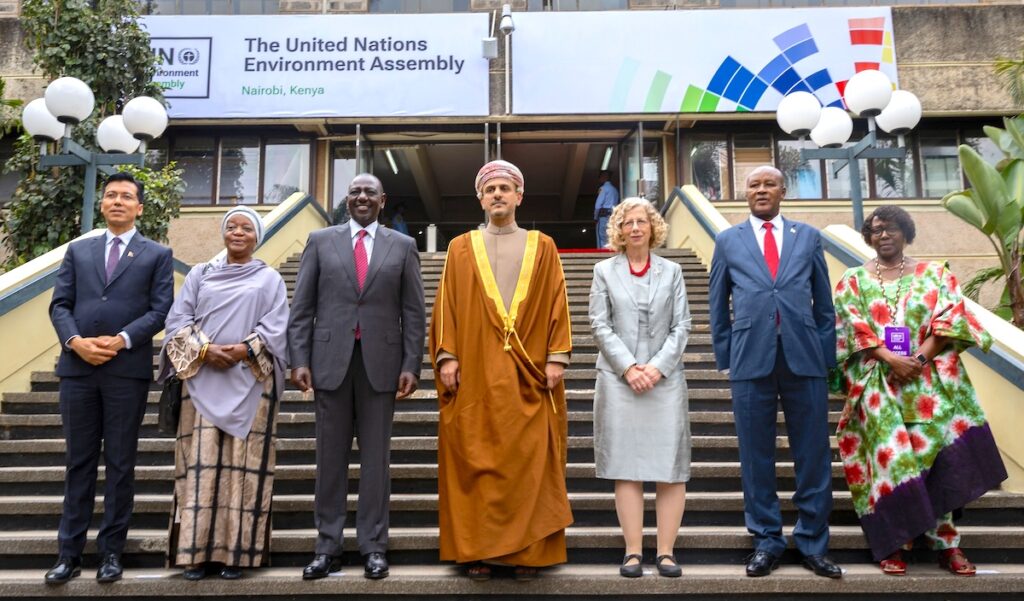
The seventh session of the United Nations Environment Assembly (UNEA-7) concluded in Nairobi, Kenya, on December 12, 2025, marking a defining moment for global environmental governance at a time of mounting climate, biodiversity, and pollution crises.
Held at the United Nations Environment Programme (UNEP) headquarters in Gigiri, the week-long assembly brought together more than 6,000 delegates from 186 countries, alongside civil society, scientists, and development partners. The gathering reaffirmed UNEA’s status as the world’s highest-level decision-making body on environmental matters.
UNEA-7 adopted eleven resolutions, three decisions, and a comprehensive Ministerial Declaration under the theme “Advancing sustainable solutions for a resilient planet.” On paper, the outcomes signaled renewed commitment to multilateralism and collective environmental action amid growing geopolitical and economic pressures.
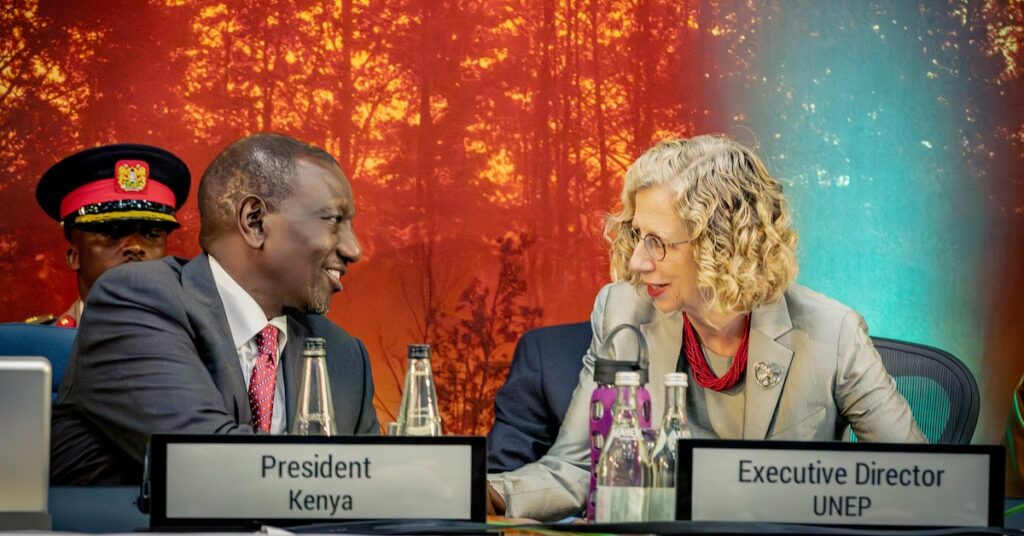
UNEP Executive Director Inger Andersen emphasized that the close of UNEA-7 marked the beginning of a critical implementation phase, warning that environmental diplomacy must now translate into tangible action as communities face worsening climate impacts, ecosystem loss, and pollution-related health risks.
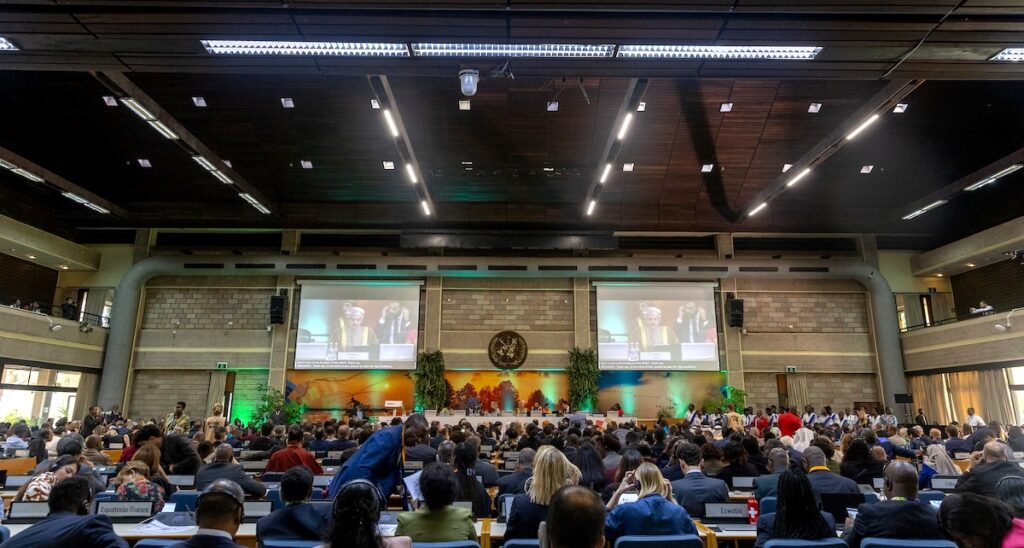
Africa’s central role in shaping the global environmental agenda was underscored by Nairobi’s hosting of the assembly. The outcomes reflected both the continent’s vulnerability to climate shocks and its strategic importance in the global green transition, particularly in areas such as minerals, energy, and biodiversity.
One of the most consequential resolutions focused on the sound management of minerals and metals essential to the global energy transition. UNEA-7 formally recognized critical minerals and metals mining as a global environmental issue and launched a UN Taskforce on Critical Energy Transition Minerals.
Africa holds vast reserves of lithium, cobalt, nickel, and copper—materials vital for batteries, solar panels, and wind turbines. While the resolution offers a framework for responsible extraction and traceability, negotiations exposed deep tensions. Developing countries and civil society groups pushed for stronger environmental safeguards, community participation, and local value addition, but much of this language was diluted during negotiations.
Proposals led by Colombia and Oman to establish stronger international processes to address the environmental and social impacts of mining were significantly weakened. Environmental groups, including the International Pollutants Elimination Network (IPEN), expressed disappointment, arguing that the final text failed to confront the toxic life cycle and long-standing human rights concerns associated with mineral extraction.
Beyond minerals, UNEA-7 revealed broader fault lines in the global green transition, including frustrations over shrinking civic space and unequal power dynamics in environmental decision-making. These debates echoed wider concerns seen in recent climate negotiations, where supply chains and corporate interests remain politically sensitive.
Another forward-looking resolution addressed the sustainable use of Artificial Intelligence, recognizing both its potential to accelerate environmental monitoring and its growing environmental footprint. Member States agreed on the need to integrate sustainability across the lifecycle of AI technologies as digital transformation accelerates globally.
The assembly also advanced resolutions on climate-related wildfires, antimicrobial resistance linked to pollution and waste, the protection of coral reefs and glaciers, and responses to sargassum seaweed blooms. Sustainability in sport was also highlighted as a tool for environmental awareness and behavioral change.
The Ministerial Declaration committed governments to bold, inclusive action under multilateral environmental agreements, emphasizing equity, justice, and the participation of vulnerable and marginalized groups in environmental governance.

As UNEA-7 concluded—coinciding with the 10th anniversary of the Paris Agreement—UN Secretary-General António Guterres called for renewed courage, warning that the world is running out of time to address the climate crisis without compounding social and environmental harm.
Looking ahead, leadership of UNEA-8 has been entrusted to Jamaica’s Matthew Samuda, with the next assembly scheduled to return to Nairobi from December 6 to 10, 2027. As UNEA-7 President Abdullah bin Ali Al-Amri noted, the true measure of success will not be the words agreed in Nairobi, but cleaner air and water, restored ecosystems, green jobs, and more resilient communities worldwide.
The work of environmental champions, such as UNEP Patron of the Ocean Lewis Pugh, who called attention to the crises facing glaciers by climbing Mount Kenya adding to the voices of our very own @kaburu on the melting glaciers of mt kenya, serves as a powerful reminder of the urgency behind these global agreements.