


The climate crisis is no longer a distant threat but a clear and present danger to Africa’s economic stability. Despite contributing less than 5% of global emissions, the continent is acutely vulnerable to physical shocks like droughts and floods. This exposure is now destabilizing financial systems across the continent.
A recent analysis of Climate-Related Financial Policies (CRFPs) across Africa reveals a critical regulatory gap. While the number of policies is growing, their impact is often undermined by weak enforcement. The majority of these crucial policies remain voluntary, failing to create the necessary systemic change.
Voluntary guidelines raise awareness but do not compel the fundamental shift in financial flows that is urgently required. Climate risk is treated as a consideration, not a non-negotiable requirement for banks and insurers. This regulatory fragmentation is a major barrier to mobilizing private capital for green projects.
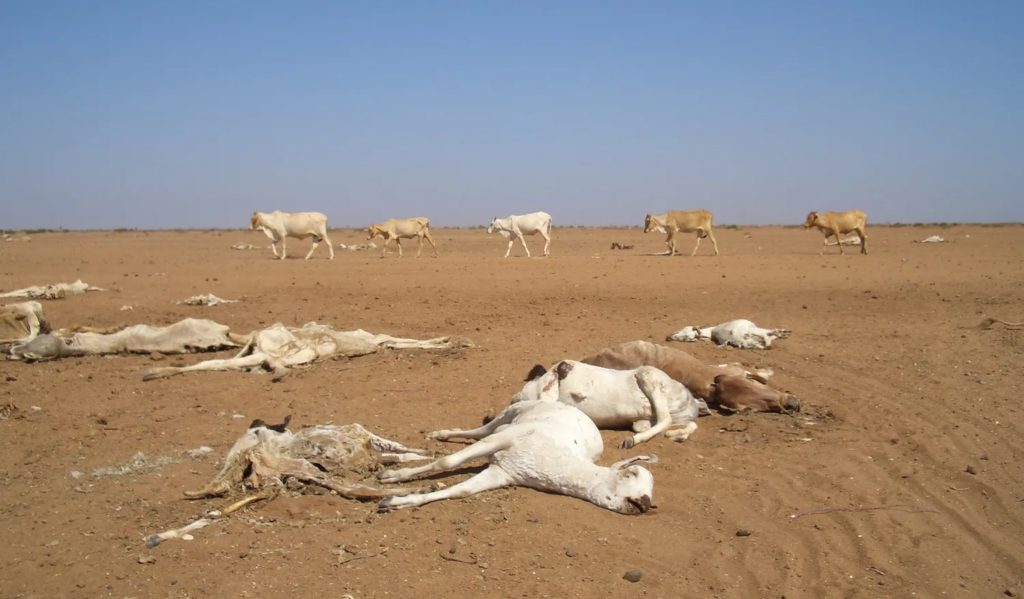
The financial consequences are already evident across the continent. Severe droughts in Kenya strain local banks as farmers struggle to repay loans. Meanwhile, fossil fuel-dependent economies face acute transition risks, threatening systemic financial instability and stranded assets.
Amidst this uneven landscape, Kenya is emerging as a key leader in expanding its policy mix. Alongside Morocco, Kenya is actively moving to strengthen disclosure and risk-management rules within its financial sector. The nation’s success in sustainable banking demonstrates that progress is achievable when financial systems are mandated to adapt.
Kenya’s proactive stance is a direct response to its high climate exposure. It is a vital step toward strengthening the financial system’s resilience against climate-induced economic disruption. The focus must now shift from soft guidelines to binding, enforceable rules that unlock green finance.
The path forward for the continent requires a three-pronged approach. First, there must be a move to mandatory rules for disclosure and risk-management. Second, expanding access to green bonds and sustainability-linked loans is essential to channel private finance into resilient infrastructure.
Finally, regional harmonization of standards and taxonomies, supported by the African Development Bank, will reduce transaction costs and boost investor confidence. This coordinated effort is crucial for attracting the global climate finance Africa needs.
This push for financial resilience is being supported by critical scientific collaboration. Nairobi is set to host the 72nd Greater Horn of Africa Climate Outlook Forum (GHACOF 72) on January 26–27, 2026.
The forum, themed “Advancing Climate Services for Resilient Communities and Sustainable Development,” will translate seasonal forecasts into actionable intelligence. By integrating advanced climate services with robust financial regulation, Africa can seize the opportunity to leapfrog towards a greener, more stable economic future.