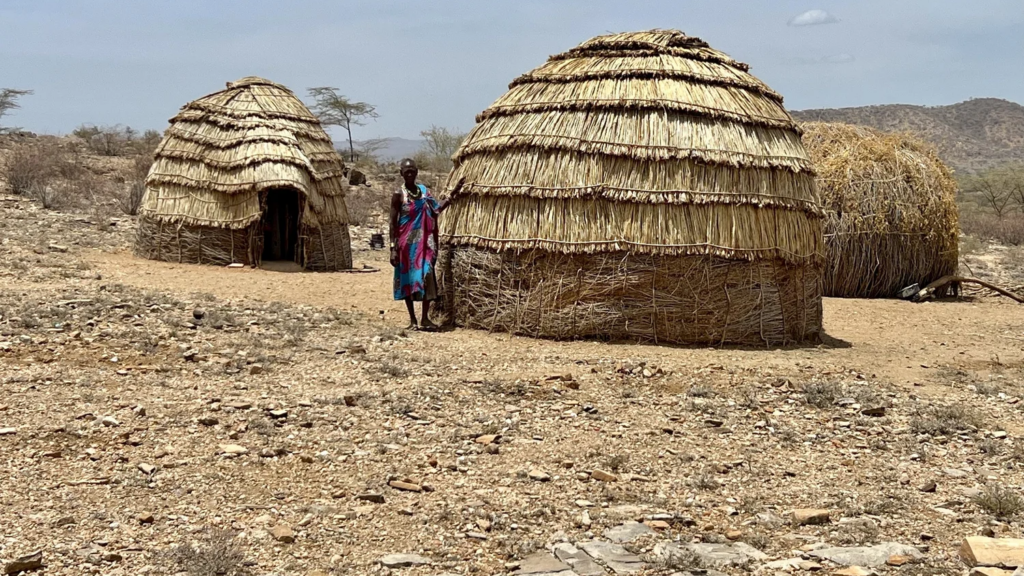

Prolonged drought and recurring floods are forcing thousands of people in northern Kenya to abandon their homes, with climate change emerging as a primary driver of displacement, a new report shows.
A country brief by the Mixed Migration Centre (MMC) found that 89 per cent of displaced persons interviewed cited drought as the main reason for moving, while 26 per cent pointed to floods as a contributing factor.
The findings are based on 1,067 in-person interviews conducted between April and May 2025 in Garissa County, Marsabit County and Mandera County.
According to the report, most of those affected are Somali and Ethiopian refugees already displaced by conflict, now facing worsening environmental conditions.
The report indicates that loss of livestock has pushed 76 per cent of drought-affected households to migrate. Crop failure has also hit 63 per cent of families, leaving many without food or income.
Despite worsening conditions, many households delay migration for as long as two years, exhausting available resources before relocating. Researchers say this reflects both resilience and limited options.
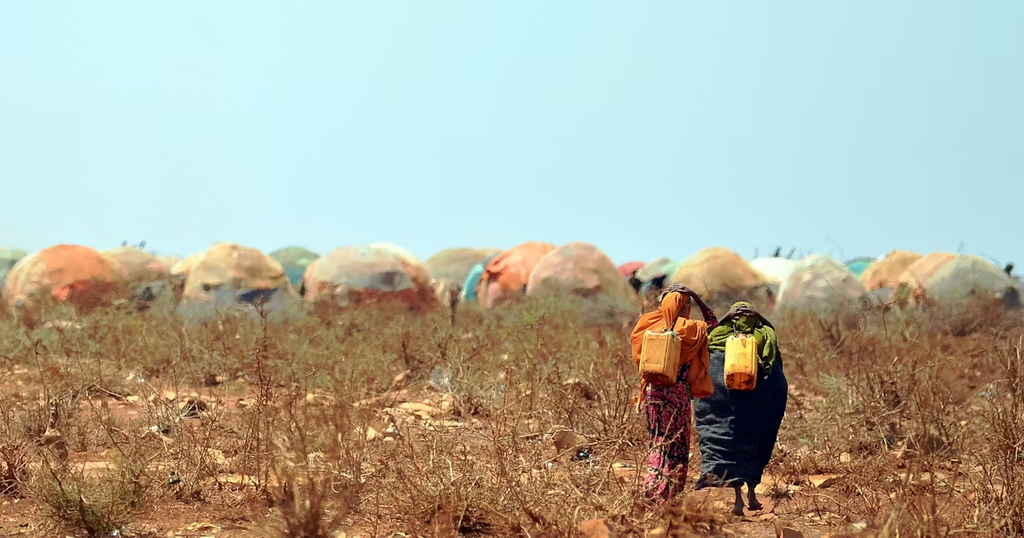
The report also highlights a significant number of people unable to move despite deteriorating conditions. About 77 per cent of those who remain do so to protect their land, while 70 per cent stay to care for livestock. Nearly half, 48 per cent, are held back by caregiving responsibilities.
Analysts warn that immobility is a key indicator of vulnerability, as those left behind face extreme exposure to climate shocks with limited support.
The MMC report shows a strong link between climate stress and insecurity. Among respondents who said climate factors influenced their displacement, 70 per cent cited armed conflict and terrorism, 56 per cent political unrest, and 43 per cent general insecurity.
Researchers say competition over shrinking resources is intensifying tensions and contributing to instability in the region.
Displaced populations face significant risks during movement. The report documents high levels of abuse, including physical violence reported by 57 per cent of adults, extortion by 56 per cent, and sexual violence by 35 per cent.
Children are particularly at risk, with 67 per cent reported to have suffered injuries, 34 per cent physical violence, and 30 per cent facing life-threatening situations.
Humanitarian assistance remains insufficient, with 25 per cent of respondents reporting they received no support during their journey. At the time of the interviews, 91 per cent said their basic needs—including food, shelter and healthcare—were unmet.
The report warns that lack of aid is increasing vulnerability to exploitation, including human trafficking and smuggling.
The MMC notes that early warning systems and adaptation strategies are either underdeveloped or ineffective. Less than half of respondents had access to early warnings, and nearly one in five could not act on them due to limited capacity.
It calls for urgent investment in climate adaptation, stronger humanitarian response, and measures to address the link between environmental stress and conflict.
“The situation requires immediate and sustained attention,” the report concludes, warning that without intervention, displacement and human suffering are likely to worsen.