
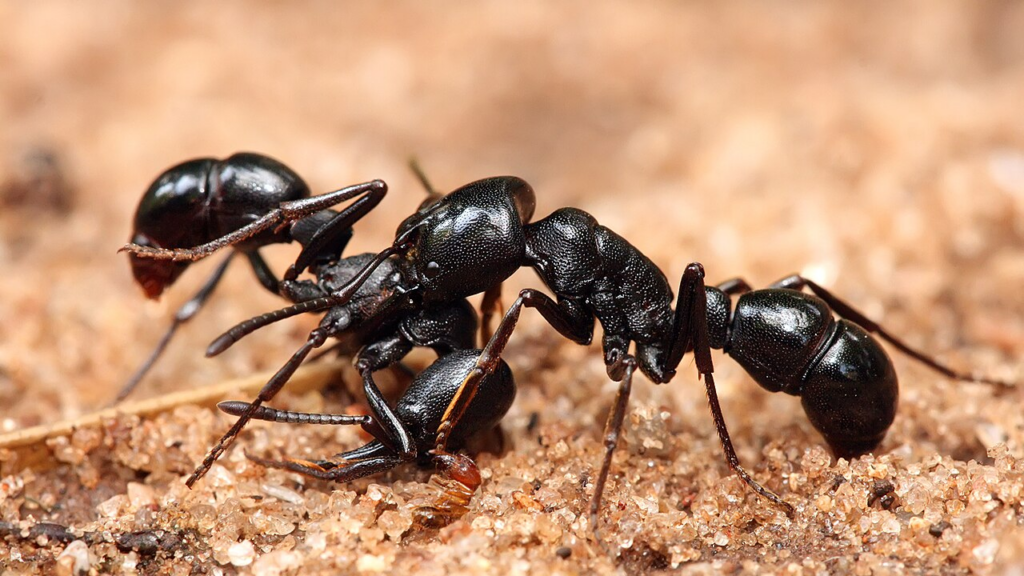

A recent interception of more than 2,000 live queen ants at the Jomo Kenyatta International Airport in Nairobi revealed a form of wildlife trafficking that is easy to overlook but increasingly difficult to ignore. The ants, each sealed in a small test tube and cushioned with cotton to maintain moisture and airflow, had been carefully prepared for transport.
Authorities said the packaging was designed to keep them alive over long distances, underscoring a level of planning that points beyond opportunistic smuggling to a more structured trade. What was once considered too small to matter is now drawing attention from conservationists, law enforcement, and researchers concerned about the implications for biodiversity.
The species at the centre of this trade, Messor cephalotes, commonly known as the giant African harvester ant, is native to East Africa and plays a critical role in local ecosystems. These ants contribute to soil aeration, seed dispersal, and nutrient cycling, processes that support plant growth and ecological balance.
Despite their ecological importance, these ants have become highly sought after in international markets, particularly among hobbyists who maintain artificial ant colonies, known as formicariums. A single queen ant is capable of establishing an entire colony, making it the most valuable component in the trade.
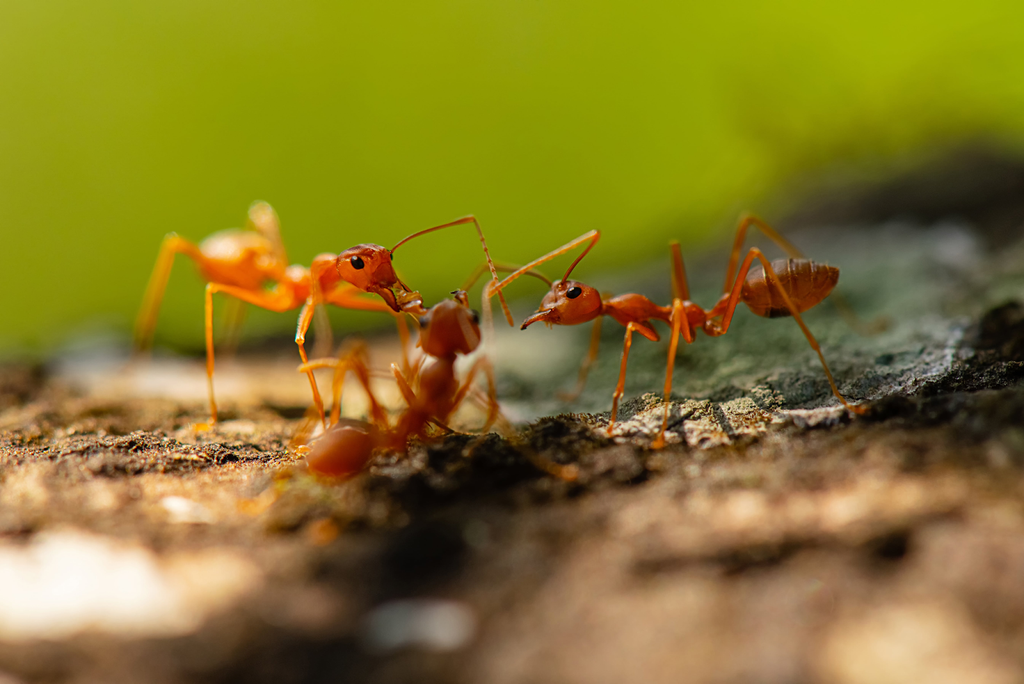
According to the Institute for Security Studies, this biological fact significantly increases their appeal to traffickers, as “one queen can start an entire colony,” turning a small specimen into a high-value commodity.
Prices in overseas markets reflect this demand as individual queens can fetch up to $200 (KES 26,000), depending on size and rarity, creating strong financial incentives for collection and export.
The relatively low cost of harvesting ants locally, combined with the ability to transport thousands in a single shipment, makes the trade both scalable and profitable. Unlike more visible forms of wildlife trafficking, such as ivory or rhino horn, ants can be concealed with relative ease, often escaping detection due to their size and the lack of specific screening protocols targeting insects. This has made enforcement particularly challenging, even in countries like Kenya that have established strong systems to combat wildlife crime.
Reporting by Reuters suggests that the trade is not isolated to individual actors but may involve organised networks connecting local collectors with international buyers. These networks operate across borders, facilitated in part by online platforms where rare species are advertised and sold to niche markets in Europe and Asia.
Investigators believe that the Nairobi seizure is part of a broader pattern, with similar cases recorded in recent years. In 2025, authorities intercepted another consignment involving thousands of ants, again destined for export. Such incidents indicate a growing and possibly underreported trade in live insects.
Experts view this shift as part of a wider change like wildlife trafficking. As enforcement tightens around high-profile species, traffickers are increasingly turning to lesser-known organisms that are not yet subject to the same level of scrutiny.
“This signals a shift in trafficking patterns,” Reuters noted in its coverage, pointing to a broader movement toward what researchers describe as biopiracy, which is the extraction and commercialisation of biological resources without appropriate regulation or benefit-sharing. In this context, ants represent both an opportunity for traffickers and a gap in existing conservation frameworks, which have historically focused on larger, more visible species.
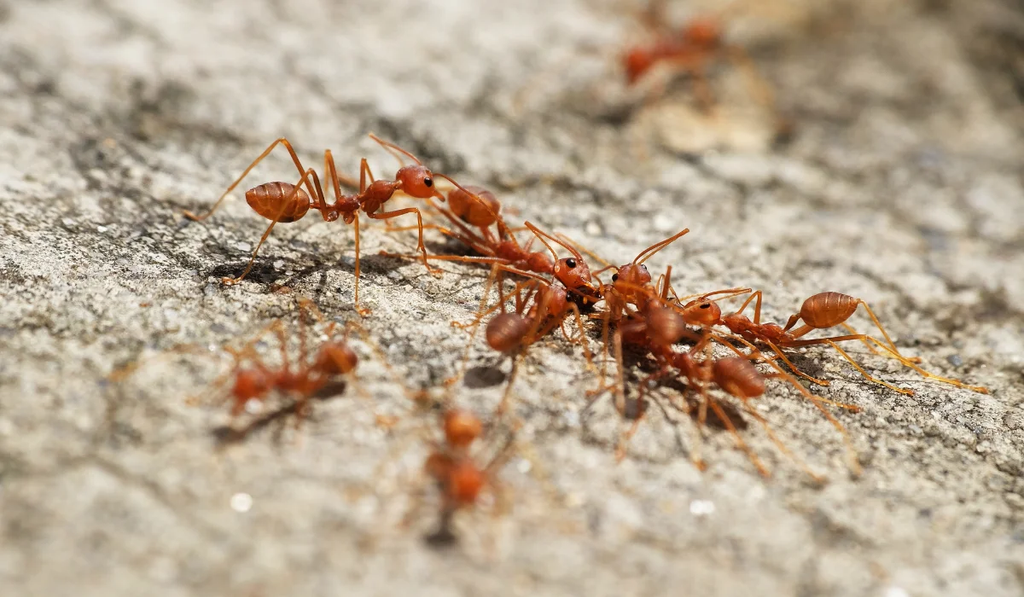
The ecological consequences of this trade are not immediately visible but may be significant over time. Removing large numbers of ants from their natural habitats can disrupt ecosystem functions, particularly in areas where they play a dominant role in soil processes and plant regeneration.
The Institute for Security Studies has warned that sustained extraction could contribute to “ecological imbalance,” especially if harvesting is concentrated in specific regions. There is also concern about the potential introduction of non-native species into foreign ecosystems. If transported ants escape or are released, they could establish colonies and compete with local species, creating new environmental challenges.
For Kenyan authorities, the emergence of this trade presents both practical and policy challenges. Existing wildlife protection systems were not designed to monitor or regulate the movement of insects at scale. Detection at airports remains difficult, as shipments are small and often disguised as ordinary items.
At the same time, the legal framework must adapt to address a form of trafficking that sits at the intersection of conservation, trade, and scientific interest. While arrests and seizures demonstrate increasing awareness, they also suggest that enforcement is still catching up with the evolving tactics of traffickers.
Beyond enforcement, the issue raises broader questions about the value and ownership of biodiversity. Kenya’s ecosystems support a wide range of species, many of which remain understudied but are nonetheless integral to environmental stability. The removal of such species for private use abroad highlights tensions between global demand and local conservation priorities. It also underscores the need for more comprehensive approaches that include public awareness, research, and, where appropriate, regulated alternatives that can reduce pressure on wild populations.
The recent cases illustrate how wildlife trafficking is diversifying in ways that challenge traditional assumptions. Ants may not attract the same attention as larger animals, but their growing presence in illegal trade networks points to a broader trend, where even the smallest components of ecosystems are being drawn into global markets. Addressing this shift will require not only stronger enforcement but also a deeper recognition of the ecological roles played by species that have long existed outside the spotlight.