
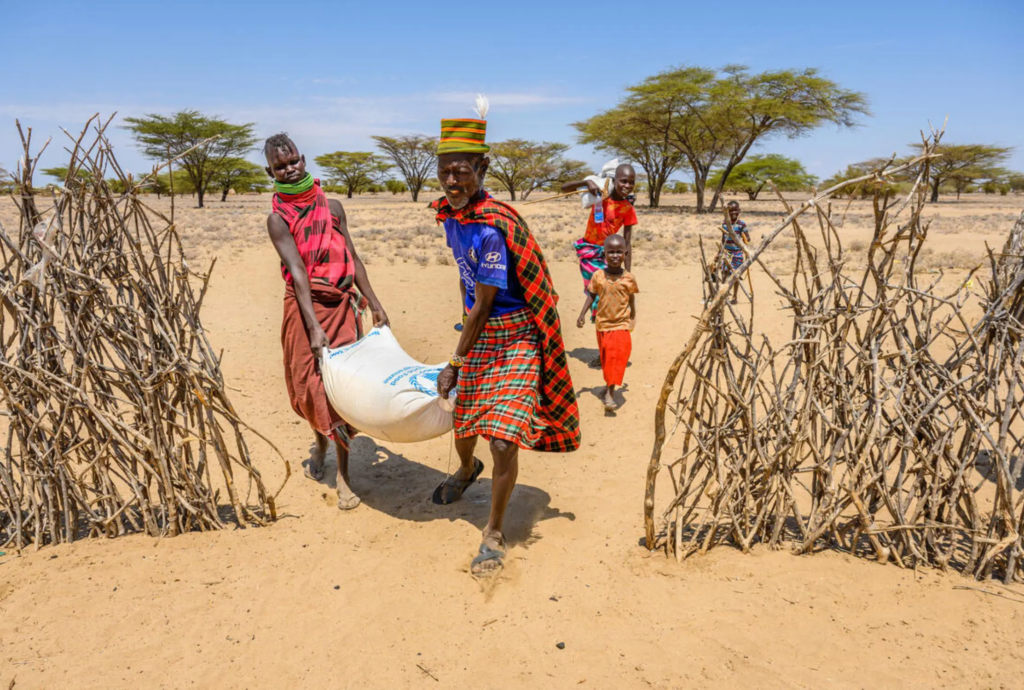

A new global assessment of hunger has painted a stark picture for Kenya and the wider East African region, warning that repeated climate shocks, rising food prices and regional instability are driving millions deeper into acute food insecurity.
The Global Report on Food Crises 2026 finds that East Africa remains one of the world’s most fragile food systems, with crises persisting across the Horn of Africa and showing little sign of easing in the near term.
Globally, the report estimates that about 266 million people faced acute food insecurity in 2025. A significant share of these is concentrated in Sub-Saharan Africa, with East Africa standing out as a region where hunger is increasingly prolonged rather than seasonal.
The report identifies a convergence of drivers behind the crisis in the region, led primarily by extreme climate variability. Countries including Somalia, Ethiopia, South Sudan and Sudan are highlighted as part of an adjoining belt of food insecurity where drought, floods and conflict intersect to disrupt food production and access.
In Kenya, the report indicates that millions of people continue to face acute food insecurity, particularly in arid and semi-arid counties. National and humanitarian assessments cited alongside the report estimate that more than three million Kenyans are currently in IPC Phase 3 or above, meaning they are experiencing crisis-level hunger or worse.
The report attributes Kenya’s situation largely to climate-related shocks, noting that the country is still recovering from one of the worst droughts in decades, which stretched from 2020 to 2023 and devastated pastoral and agricultural livelihoods. The prolonged dry period led to widespread livestock deaths, crop failures and depletion of household coping mechanisms.
While rains have since returned in some parts of the country, the report cautions that the recovery has been uneven and fragile. Episodes of heavy rainfall and flooding have followed the drought, destroying infrastructure, displacing communities and undermining efforts to rebuild livelihoods. This pattern of alternating drought and floods, the report notes, is becoming increasingly common across East Africa and is complicating recovery efforts.
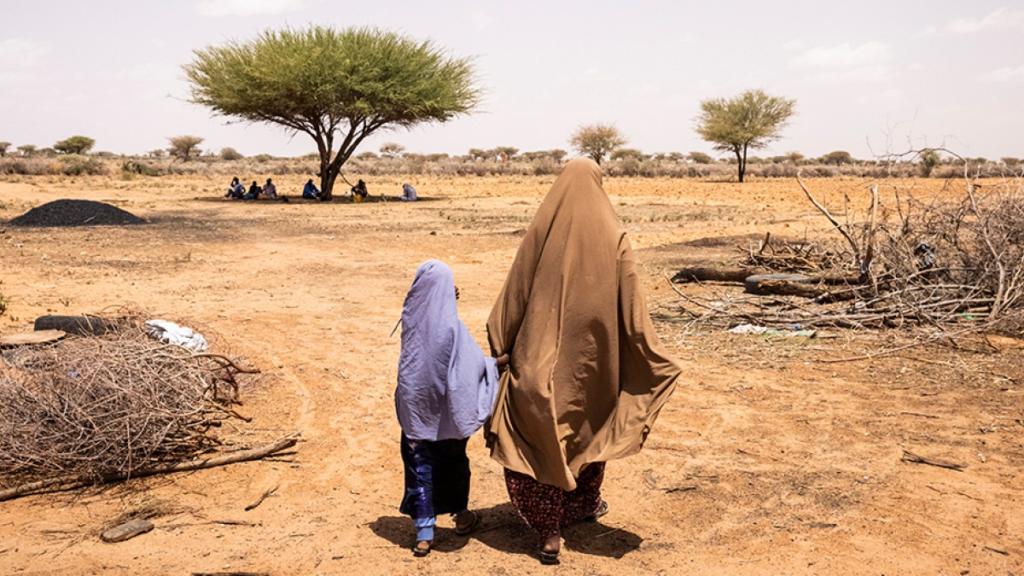
In pastoral regions of northern Kenya, the loss of livestock has had long-lasting impacts on food security. The report notes that many households have yet to rebuild their herds, which serve as their primary source of food and income. As a result, families remain highly dependent on humanitarian assistance and are more vulnerable to future shocks.
At the same time, economic pressures are exacerbating the crisis. The report highlights rising food prices and reduced purchasing power as key factors limiting access to food, even in areas where markets remain functional.
Across the region, the report underscores that food insecurity is increasingly being driven by access. In Kenya and neighbouring countries, food may be present in markets, but many households are unable to afford it, leading to reduced consumption, fewer meals and worsening nutrition outcomes.
The report also raises concern over persistently high levels of malnutrition, particularly among children and pregnant women. East Africa continues to record some of the highest rates of acute malnutrition globally, with the situation aggravated by repeated shocks that erode household resilience and strain health systems.
Regional dynamics are further compounding the crisis. Ongoing conflicts in parts of Sudan and South Sudan, as well as instability in Ethiopia, are contributing to displacement and disrupting cross-border trade and pastoral movement. The report notes that these factors have spillover effects on neighbouring countries, including Kenya, by increasing pressure on resources and humanitarian systems.
Despite the scale of the crisis, the report warns that funding for humanitarian and development responses is declining. Reduced international support is limiting the ability of governments and aid agencies to respond effectively, leaving significant gaps in food assistance and recovery programmes.
Looking ahead, the outlook for Kenya and the wider East African region remains concerning. The report points to continued climate uncertainty, including the potential influence of El Niño conditions starting between May and July 2026, which could bring further disruptions to rainfall patterns. Combined with ongoing economic challenges and regional instability, these factors are expected to sustain high levels of food insecurity through 2026.
The report calls for urgent and sustained investment in resilience-building measures, including climate-smart agriculture, improved water management, and strengthened social protection systems. It also emphasises the need for coordinated regional approaches to address cross-border drivers of food insecurity.
For Kenya, the findings highlight the importance of long-term strategies to support vulnerable communities, particularly in arid and semi-arid areas, where the impacts of climate change are most pronounced. Strengthening early warning systems, expanding safety nets and investing in livelihood diversification are identified as critical steps to reduce vulnerability to future shocks.
The report concludes that without a significant scale-up in both humanitarian assistance and development interventions, the region risks becoming locked in a cycle of recurring crises.