
The Food and Agriculture Organization (FAO) and the World Meteorological Organization (WMO) have warned that extreme heat is pushing global agrifood systems to the brink, threatening food production, livelihoods and economies worldwide.
In a report, titled Extreme Heat and Agriculture, the two United Nation’s bodies say that rising temperatures and increasingly frequent heatwaves are damaging crops, livestock, fisheries and forests, while exposing more than one billion people to growing risks.
Extreme heat refers to situations where daytime and nighttime temperatures rise above their usual ranges for a protracted period, leading to physiological stress and direct physical damages to food crops, livestock, fish, trees and human beings.
According to the findings, extreme heat events have become more intense, prolonged and widespread over the past five decades, significantly increasing pressure on food systems.
These conditions, the report shows, are already reducing crop yields, stressing livestock and disrupting marine ecosystems, with staple crops such as wheat, maize and rice particularly vulnerable when temperatures exceed critical thresholds.
The report notes that heat stress in livestock begins at around 25°C, while higher temperatures can impair plant growth and reduce photosynthesis, ultimately lowering agricultural productivity.
“For the most common livestock species, stress begins at above 25 degrees Celsius, and a bit lower for chickens and pigs, which are unable to cool themselves by sweating. Above that threshold, animals begin to suffer, initially seeking shade, drinking more water, eating and moving less, while if exposure persists, they begin to suffer from digestive tract breakdowns, organ failure and cardiovascular shock.
“Even when not lethal, extreme heat reduces dairy yields as well as fat and protein content – which inter alia worsens the carbon footprint of animal-sourced foods,” the report notes.
“In marine environments, heatwaves reduce oxygen levels in water, threatening fish populations and fisheries. Fish can suffer cardiac failure as they struggle to maintain elevated respiration rates in waters where extreme heat events drive dissolved oxygen levels lower.”
For most major agricultural crops, the report says, yield declines begin to occur above 30 degrees Celsius, lower for some crops such as potatoes and barley, leading to weakened cell walls, sterile pollens and the production of toxic oxidative compounds. Under extreme temperatures rates of tree photosynthesis and respiration diverge, creating an energy imbalance, resulting in reduced growth and less carbon removal from the atmosphere. Evidence points to a strong correlation between heat waves and wildfires, with longer and more intense fire seasons.”

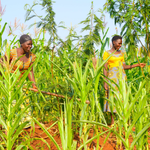
The report also highlights the human cost, warning that extreme heat is already causing the loss of hundreds of billions of labour hours annually and making outdoor work unsafe for agricultural workers in many regions.
Critically extreme heat also takes a toll on humans, especially agricultural laborers, for whom it can be fatal. The number of days each year when it is simply too hot to work may rise to 250 in much of South Asia, tropical Sub-Saharan Africa and parts of Central and South America, according to the report.
“This work highlights how extreme heat is a major risk multiplier, exerting mounting pressure on crops, livestock, fisheries and forests, and on the communities and economies that depend upon them.” said FAO Director-General QU Dongyu.
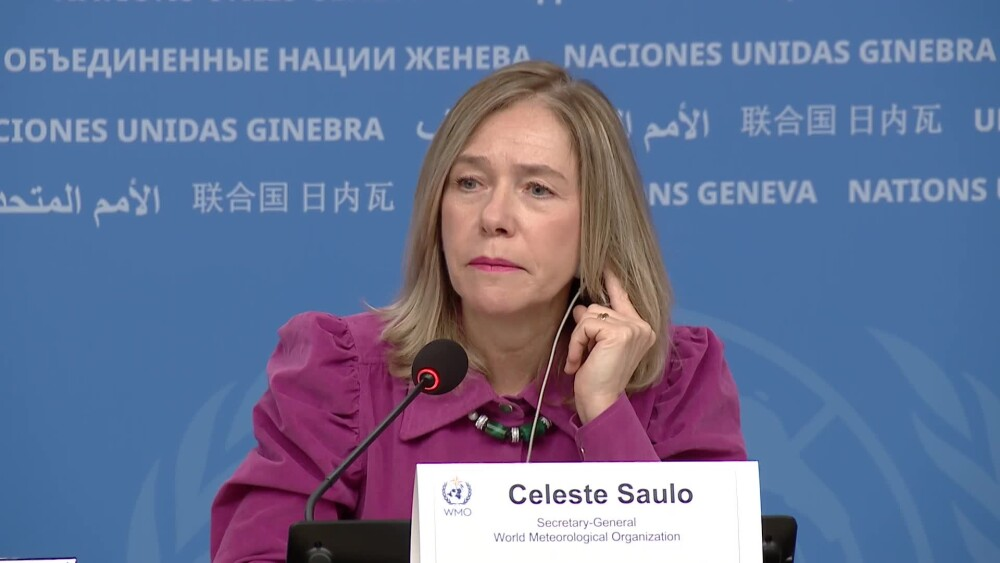
“Extreme heat is increasingly defining the conditions under which agrifood systems operate,” said WMO Secretary-General Celeste Saulo. “More than simply an isolated climatic hazard, it acts as a compounding risk factor that magnifies existing weaknesses across agricultural systems.”
Experts caution that the impacts of heat are often compounded by other climate-related stresses such as drought, water scarcity, wildfires and pests, further undermining food security.
To address the growing threat, the FAO and WMO are calling for urgent adaptation measures, including improved early warning systems, climate-informed farming practices, and the development of heat- and drought-resistant crops.
It points to the need for innovation and the implementation of adaptative measures such as selective breeding and crop choices adjusted to the new climate reality, adjusting planting windows and altering management practices that can shelter crops and agricultural activities from the impacts of extreme heat. Early warning systems are a particularly important tool in aiding farmers in their efforts to respond to extreme heat.
“Access to financial services such as cash transfers, insurance and payment schemes, shock-responsive social protection schemes and other forms underpins all categories of adaptation options. Technical solutions are necessary but by themselves will be insufficient without addressing pervasive socio-economic barriers in low- and middle-income countries, including limited access to information, education, awareness and training,” the report states.
“Protecting the future of agriculture and ensuring global food security will require not only building on-farm resilience but also exercising international solidarity and collective political will for risk sharing, and a decisive transition away from a high-emissions future,” it concludes.