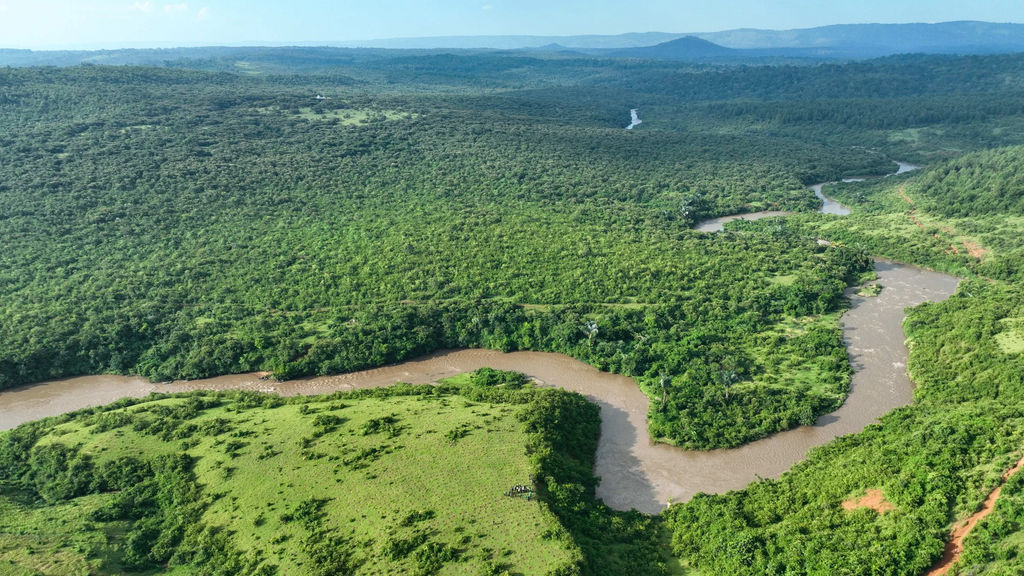

Across Kenya’s, the transformation is almost cinematic. What was, only weeks ago, a stretch of brittle earth and dust has softened into green with grass pushing through cracked soil, seasonal rivers stirring back to life, livestock grazing where they once wandered in search of pasture, and in the distance, wildlife returning with growing confidence. Thanks to the rains that are telling a powerful story of recovery.
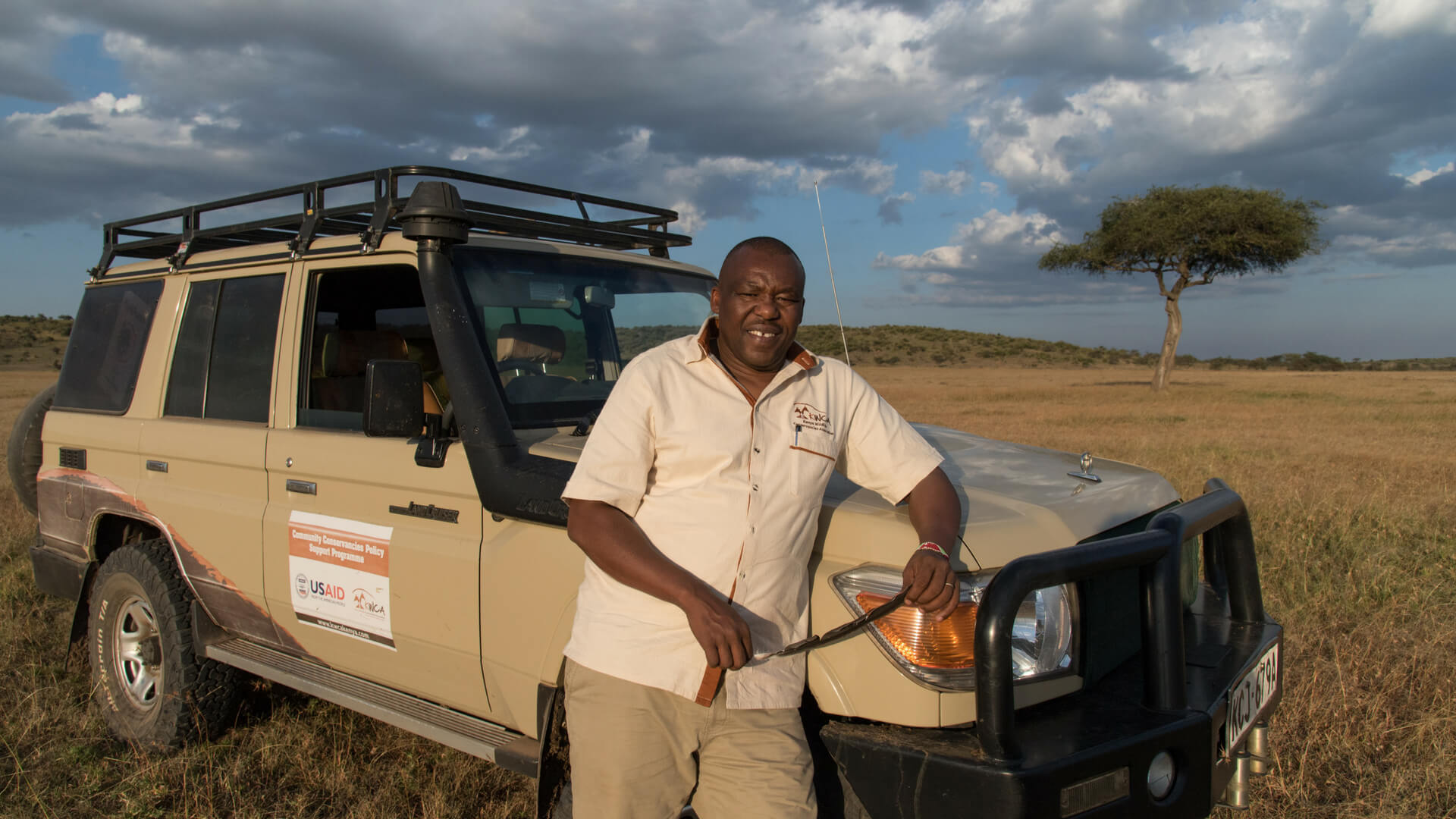
For David Kaelo, the Chief Executive Officer of the Kenya Wildlife Conservancies Association, this shift is evidence of the land’s ability to regenerate when given the chance.
“Nature is healing,” he has observed in recent reflections on the rains. And across Kenya, that healing is visible in the renewed rhythm of ecosystems that had been pushed to the brink by prolonged drought.
This moment of renewal arrives just as the world marked Earth Day 2026 on April 22, under the theme “Our Power, Our Planet.” The message this year is that the future of the environment will be shaped by deliberate and sustained human action.
In Kenya, that message is already taking root. From the arid north to the coastal forests, more than 200 community conservancies now dot the country, forming a patchwork of locally managed landscapes that balance conservation with livelihoods. These conservancies, many of them born out of necessity during harsher climatic cycles, have become critical spaces where people and nature coexist, each sustaining the other.
In places like Laikipia, Samburu, and parts of Kajiado, communities have spent years restoring degraded land, regulating grazing, and protecting wildlife corridors. The recent rains have accelerated these efforts, revealing what is possible when stewardship meets opportunity.
“The resilience we are seeing now is not accidental,” conservationists say. “It is the result of years of community commitment.”
That resilience is central to the broader Earth Day 2026 agenda, which places strong emphasis on renewable energy, climate education, and environmental justice. The campaign calls for a transition away from fossil fuels, but also for a shift in mindset to empowersindividuals and communities to take ownership of their environments.
In many Kenyan communities, this shift is already underway. School children are planting trees as part of environmental clubs, youth groups are organizing cleanups in towns and conservation areas and local leaders are integrating climate awareness into everyday decision-making.
These actions may seem small in isolation, but together they form the foundation of a larger movement that recognizes sustainability not as a distant goal, but as a daily practice.
At the same time, Kenya’s growing investment in renewable energy is reinforcing this transition at a national level. With geothermal, wind, and solar power increasingly shaping the country’s energy mix, the pathway toward a low-carbon future is becoming more tangible.
Still, the scale of the climate challenge demands more than national effort. It requires global cooperation, yet even within the global frameworks, the most enduring solutions often emerge locally.
In Kenya’s conservancies, traditional knowledge continues to guide land management practices such as seasonal patterns, grazing cycles, and ecological signals that modern science is only beginning to quantify. When combined with contemporary conservation strategies, this knowledge creates systems that are both adaptive and deeply rooted in place.
It is this blend of old and new that may hold the key to long-term sustainability.
As clouds gather and disperse over Kenya’s now-green landscapes, there is a sense that something has shifted. The rains may not have solved the climate crisis or erased the pressures of population growth, land degradation, or economic strain, but they have offered a glimpse of possibility, a reminder that ecosystems can recover, conservation efforts can bear fruit and that human action when aligned with nature can restore what once seemed lost.
For many, this is the real meaning of Earth Day 2026 as a lived experience, and that when nature is given a chance, it responds.