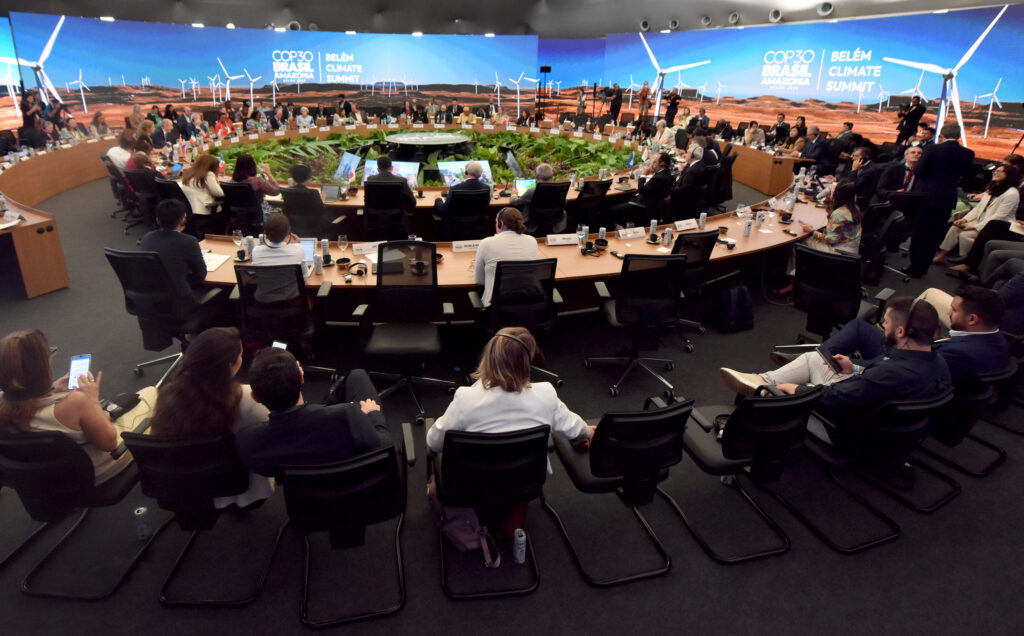
This year’s theme, “Innovations in the Process”, aims to drive new thinking, technology, and financing models to strengthen National Adaptation Plans (NAPs) – crucial blueprints for building resilience against climate impacts.
Experts warn that unless negotiators agree on the treaty’s objectives, product control measures, and a robust finance and technology package, the final plastics treaty could be a watered-down compromise that fails to stop plastic pollution.
A new report by the International Renewable Energy Agency (IRENA) largely attributes this transition to the falling cost of renewable energies across the world. According to IRENA, 91% of new renewable energy projects globally are now cheaper than fossil fuel-based alternatives.
Globally, more than 460 million tonnes of virgin plastic are produced annually, with 428 million tonnes made from fossil fuels. Around 353 million tonnes become waste, yet only 9% is recycled.
The final round of negotiations to draft a Global Plastics Treaty kicked off on Tuesday, August 5, in Geneva, Switzerland with a renewed push to strike a deal that could drastically reshape how the world produces, uses, and disposes of plastics.
East Africa is shifting gears in its journey toward a cleaner, greener future. In a major milestone for the continent’s low-carbon public transport ambitions, Kenyan e-mobility startup BasiGo has announced the deployment of its 100th electric bus, now serving routes across Kenya and Rwanda.
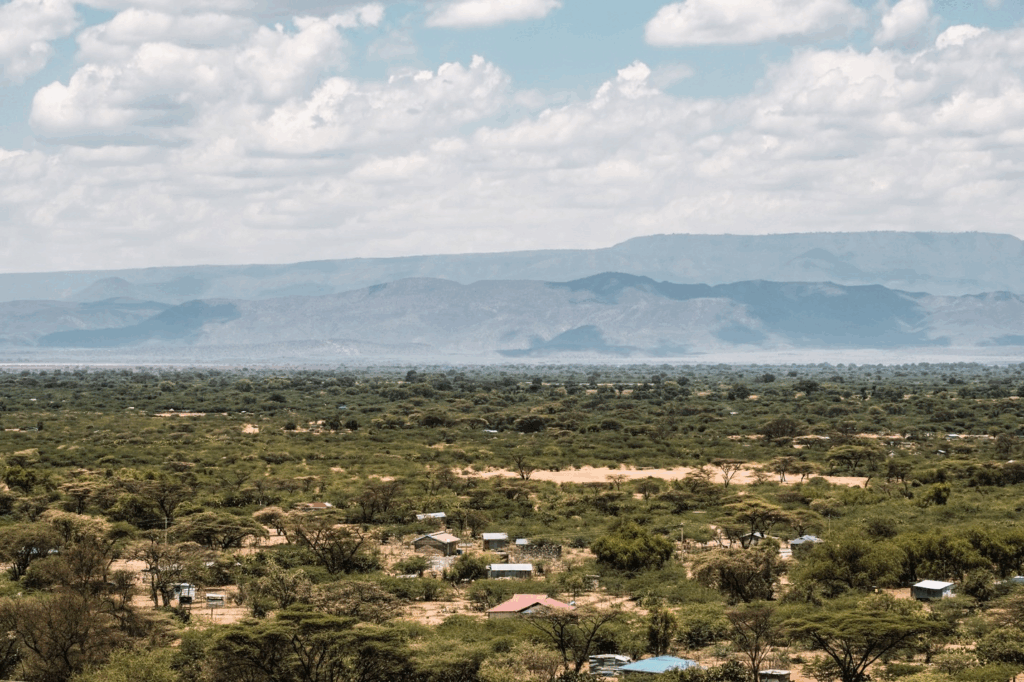
Across Kenya and other arid and semi-arid regions of Sub-Saharan Africa, communities continue to grapple with the devastating impacts of drought, erratic rainfall, deforestation, and decades of unsustainable land use. These challenges have left swathes of once-productive farmland barren, pushing millions of people deeper into food insecurity and poverty.
Women in informal settings were found to be 10.8 percentage points more likely to suffer from depressive symptoms than those in better-equipped households. The ripple effects of poor mental health, researchers warn, stretch beyond individuals and threaten the social and economic stability of entire families.
In Hadado town, within Wajir West sub‑county, the creeping desert is erasing a community’s future. One of the learning institutions in Hadado, Athibohol Primary School, now lies half-buried beneath relentless sand dunes.