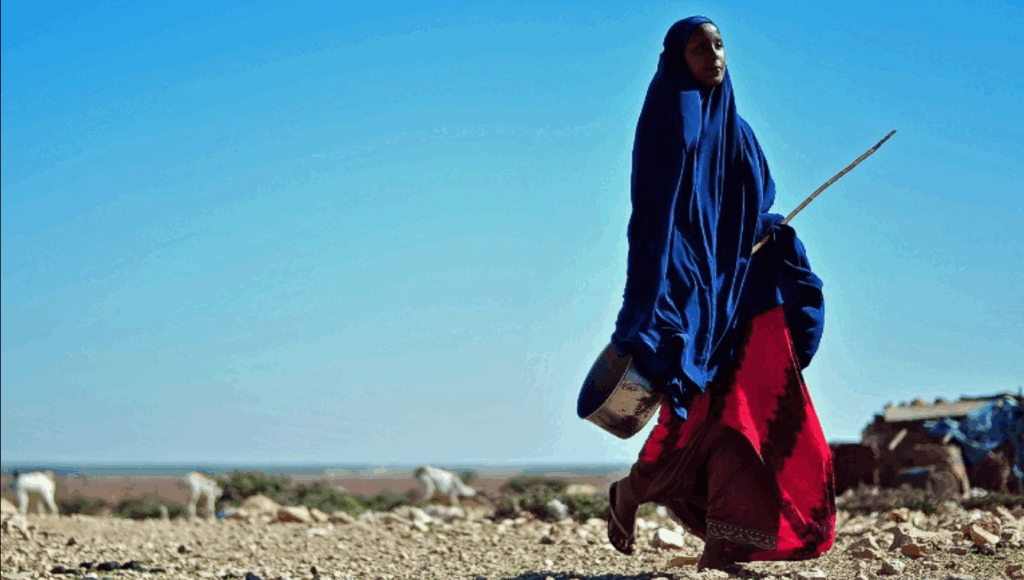
The report shows that the climate crisis also exacerbates violence against women and girls by making it even harder to address and prevent: “Climate change can create environmental conditions that damage or disrupt schooling, health services, public services and infrastructure, utilities, transportation, social services, healthcare, and local government.”
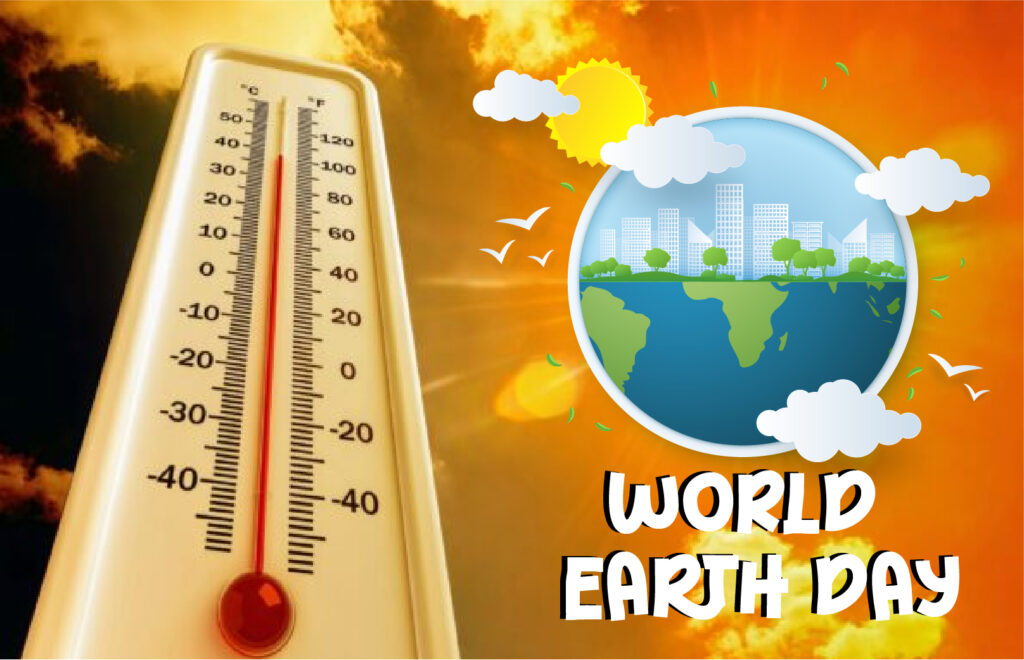
When compared to other hazards, the study shows, rapid temperature fluctuations pose a unique threat due to the limited time available to respond and adapt, potentially exacerbating impacts on both natural and societal systems.
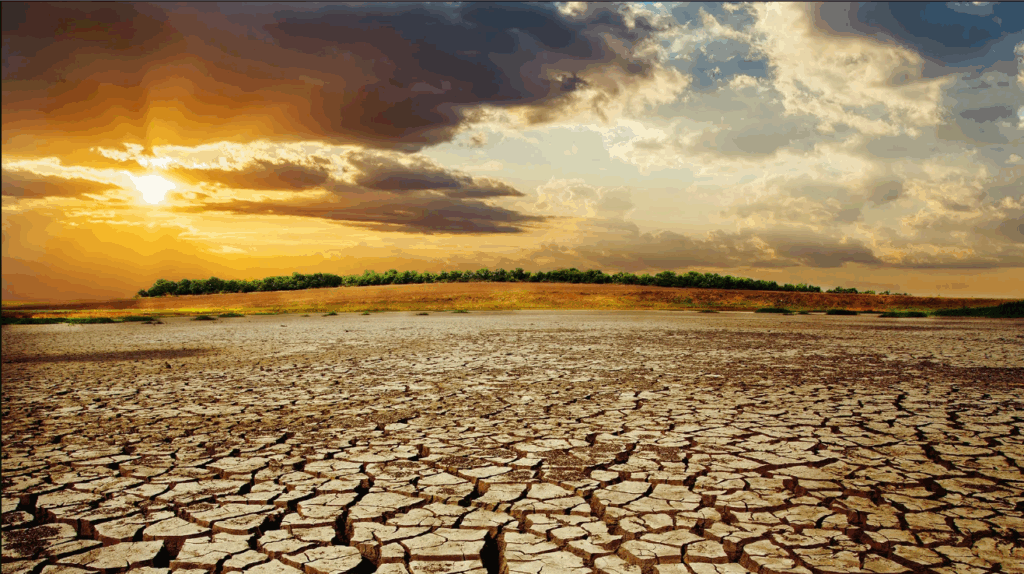
According to the recent report released by the Kenya Meteorological Department on the State of Climate in Kenya, 2024 marked the hottest year on record in the country, reflecting the global trend of rising temperatures. The counties of Turkana, Mandera, Meru, and Mombasa experienced consistently high temperatures throughout the year.
Schools in Kenya now have the opportunity to harness the power of green energy through solar power. This innovative initiative is made possible through a partnership between KCB Bank and Sentinel Energy. KCB Bank will be providing financing to both public and private schools for the installation of solar power systems.
Cultural norms play a significant role in shaping women's roles, while economic barriers hinder their ability to adapt. The evolving economic landscape, coupled with cultural norms and legal constraints, hinders women from building resilience and diversifying their livelihoods.
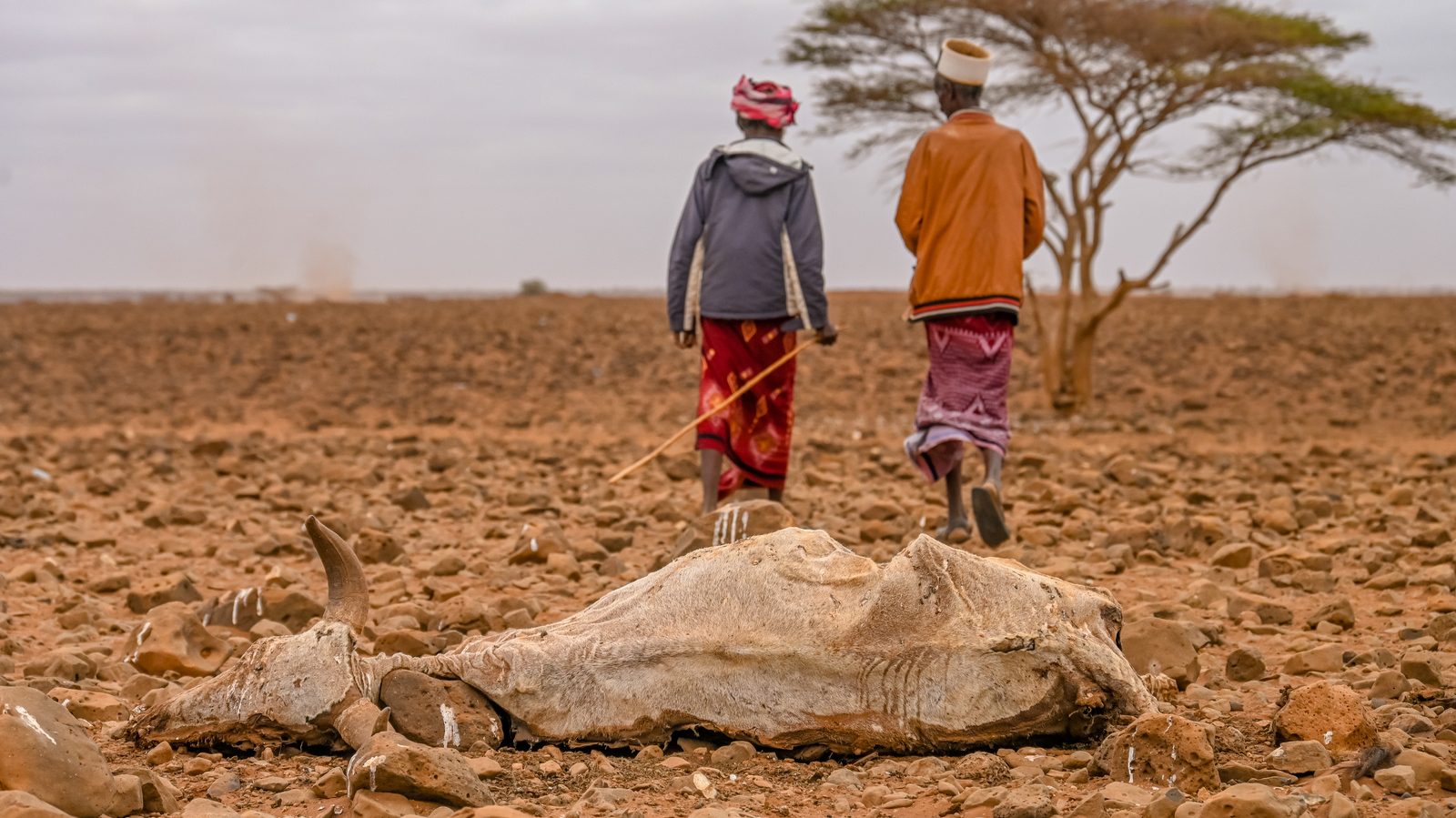
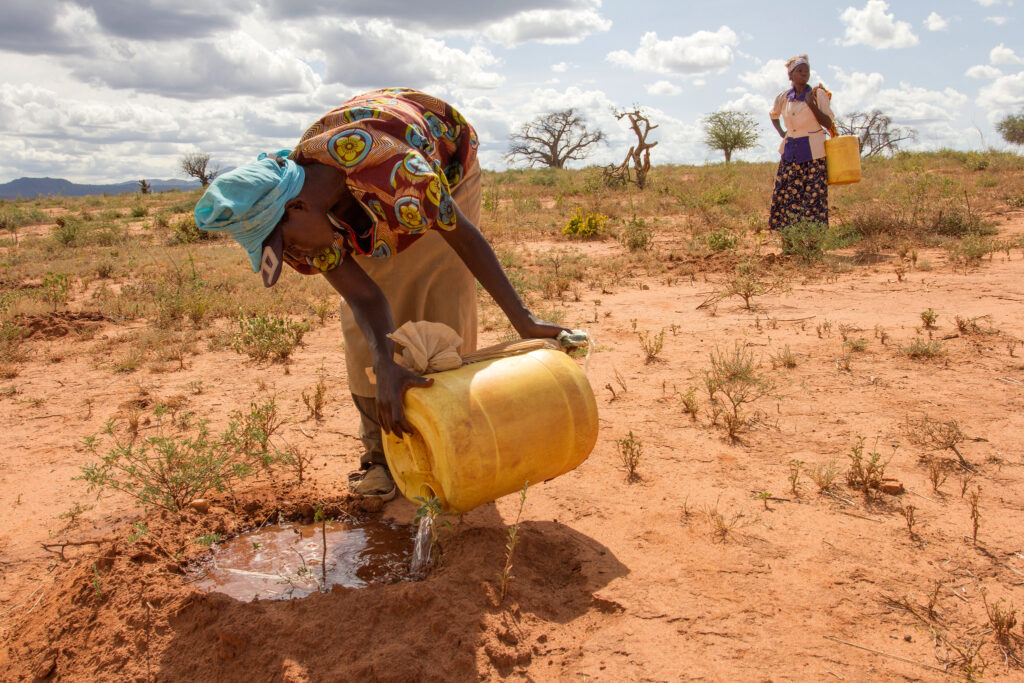
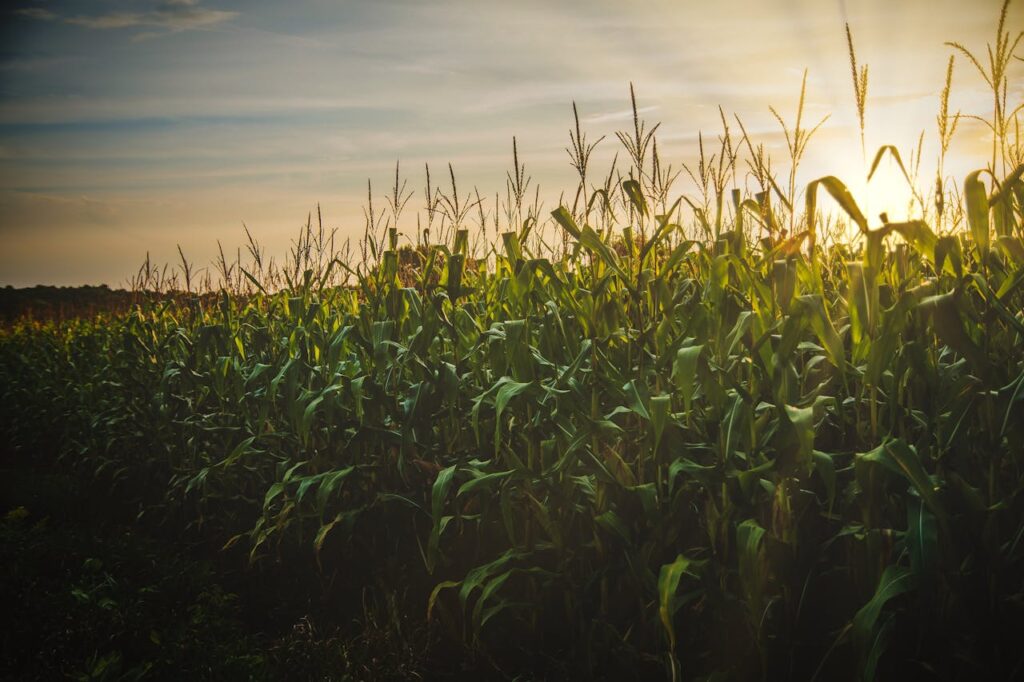
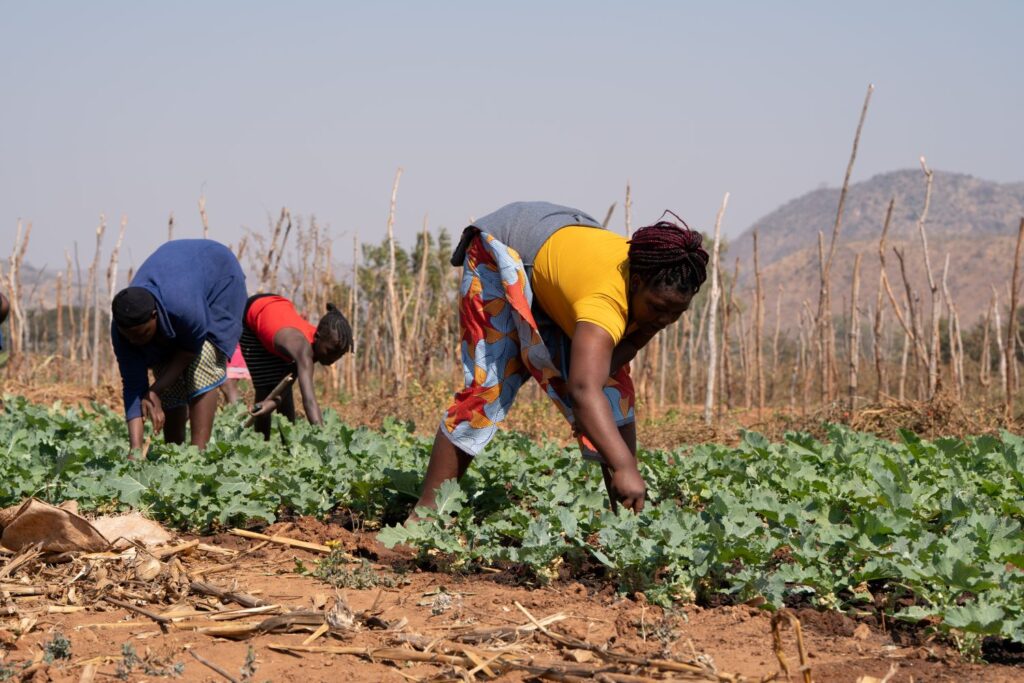
Agriculture in Kenya is particularly vulnerable to climate change, with farmers facing the challenges of irregular, insufficient, and unpredictable rainfall patterns. The situation is getting worse by the day, with extreme weather events like droughts and floods wreaking havoc on farmers and communities.
This week, Trump signed an executive order aimed at state and local climate laws that seek to reduce greenhouse gas emissions. Instead, Trump sought to breathe new life into America's coal industry, directing government heads to challenge state laws related to climate change, environmental justice, carbon taxes, greenhouse gas emissions, or clean energy financing goals.
A new policy brief from Power Shift Africa (Kenya) and Germanwatch (Germany) urges the German government to rethink its agricultural cooperation strategy with Africa. The brief, titled "What is the Missing Ingredient? The German Agriculture and Food Strategy for Africa 2025," calls for a shift toward food sovereignty and agroecological practices to address Africa's deepening food crisis.
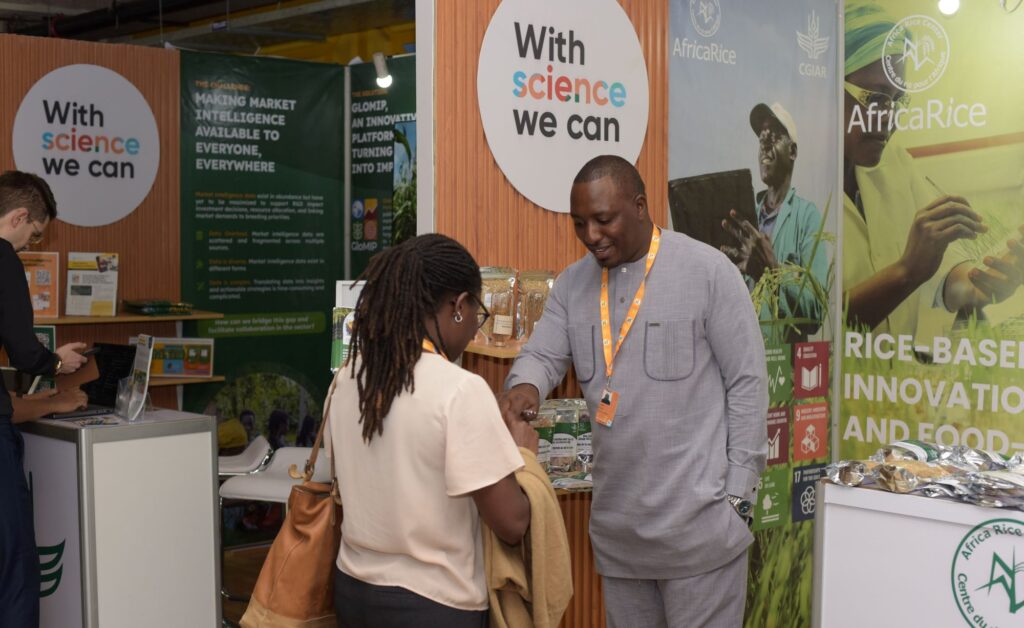
CGIAR Science Week, co-hosted by the Kenyan Agricultural and Livestock Research Organization (KALRO), is bringing together experts and leaders in agricultural science to explore innovative partnerships.
The event focuses on how science and collaboration can help tackle global challenges like food security, nutrition, and strengthening livelihoods.