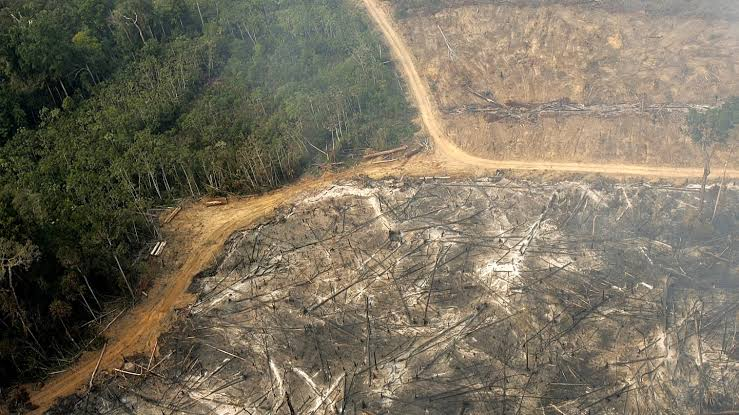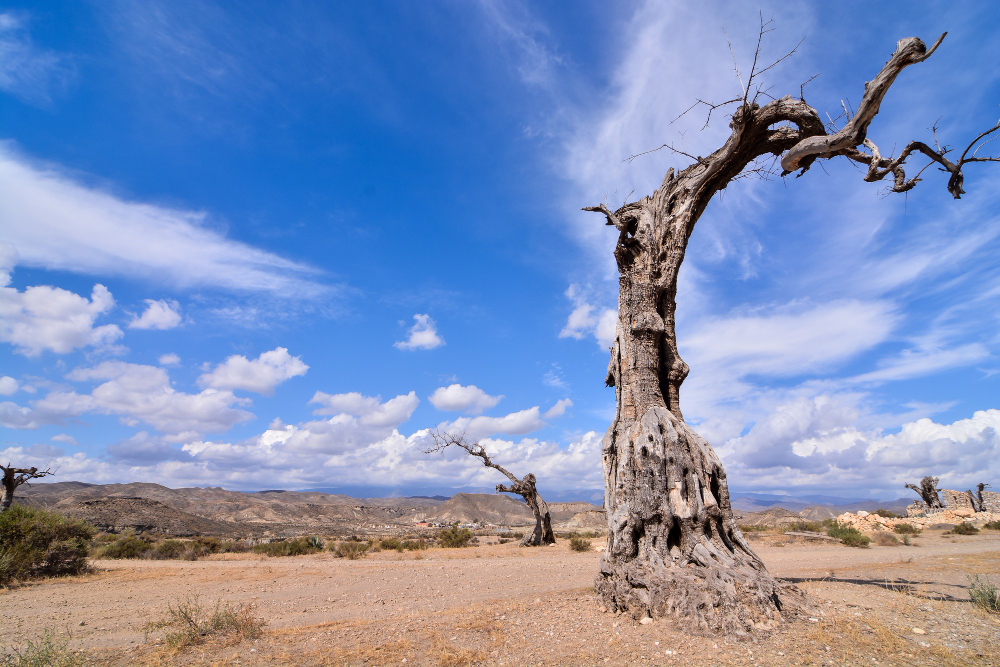
Climate change and environmental degradation remain the world’s greatest long-term threats, according to the WEF Global Risks Report 2026.
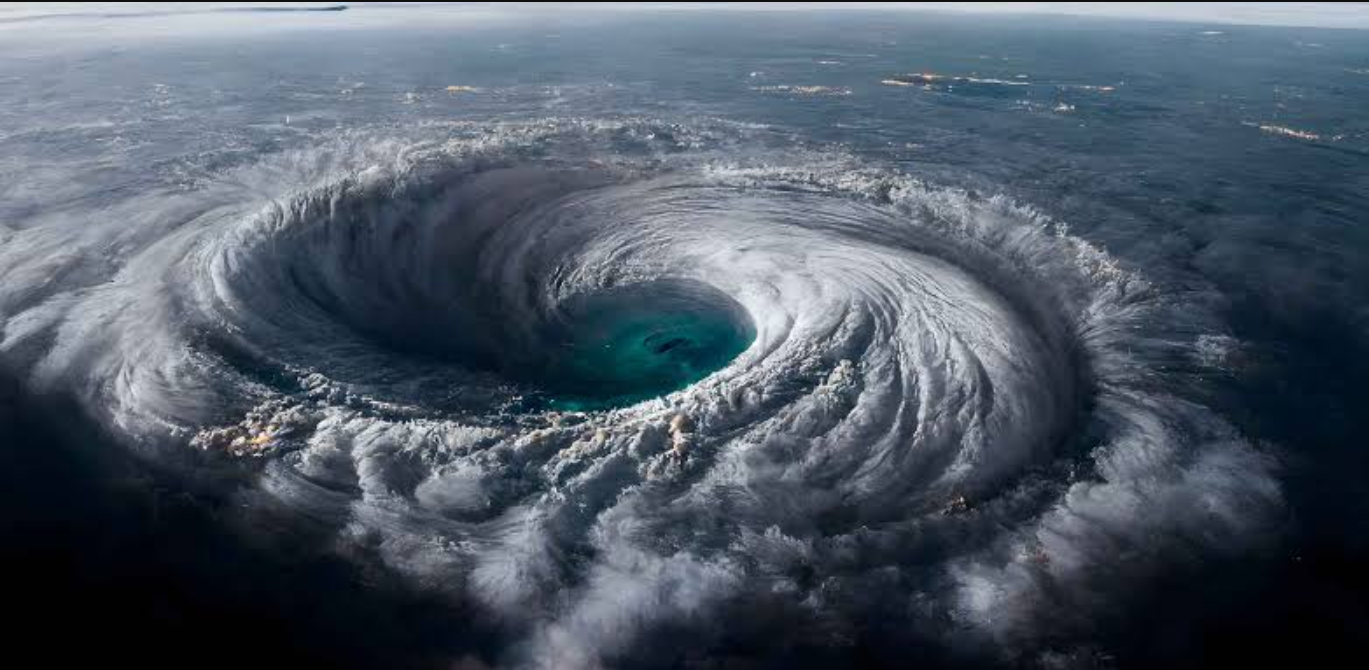
Extreme weather, biodiversity loss, and ecosystem collapse top global risk rankings over the next decade. The report warns that delaying climate action will deepen economic, social, and geopolitical instability.
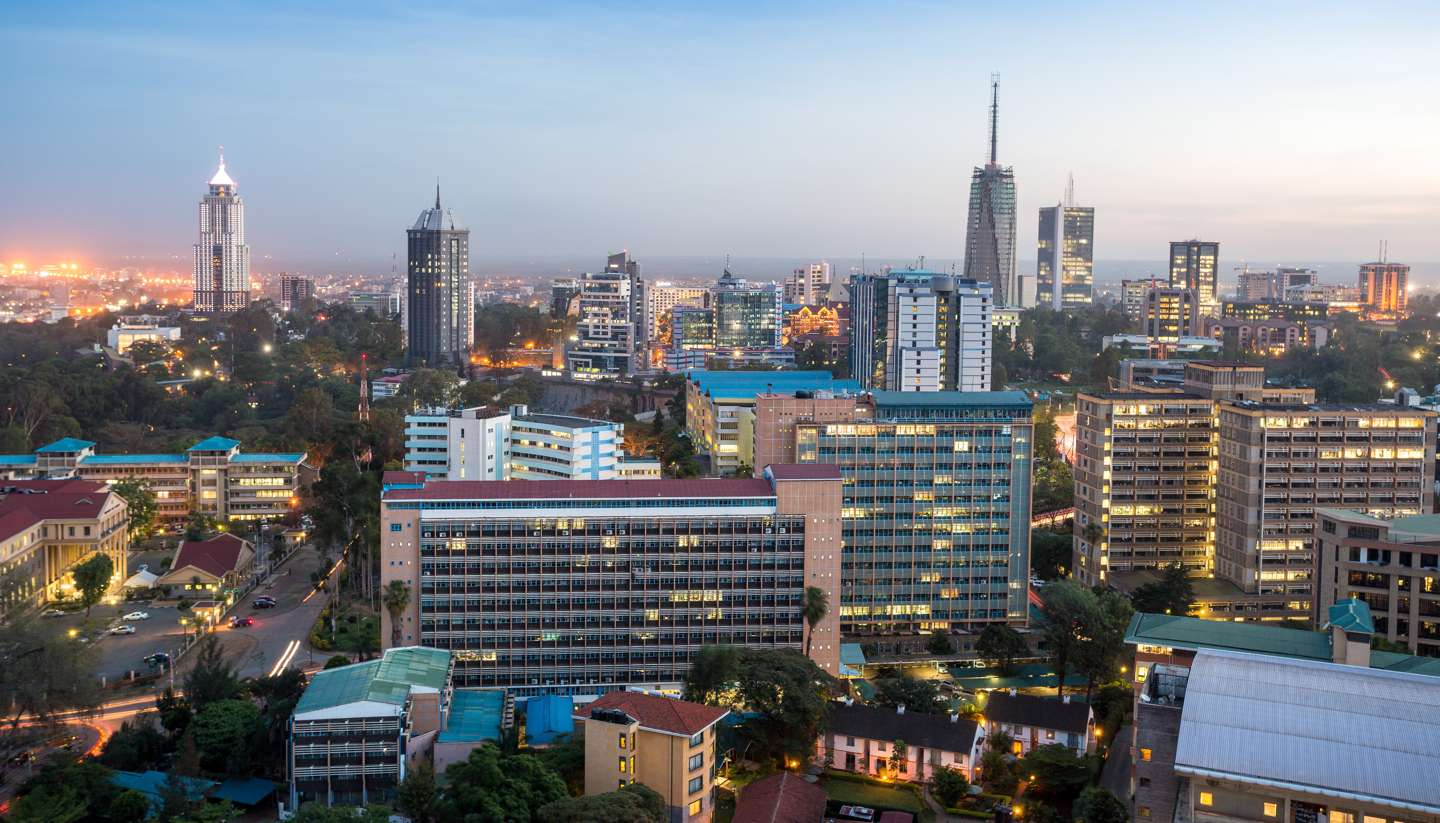
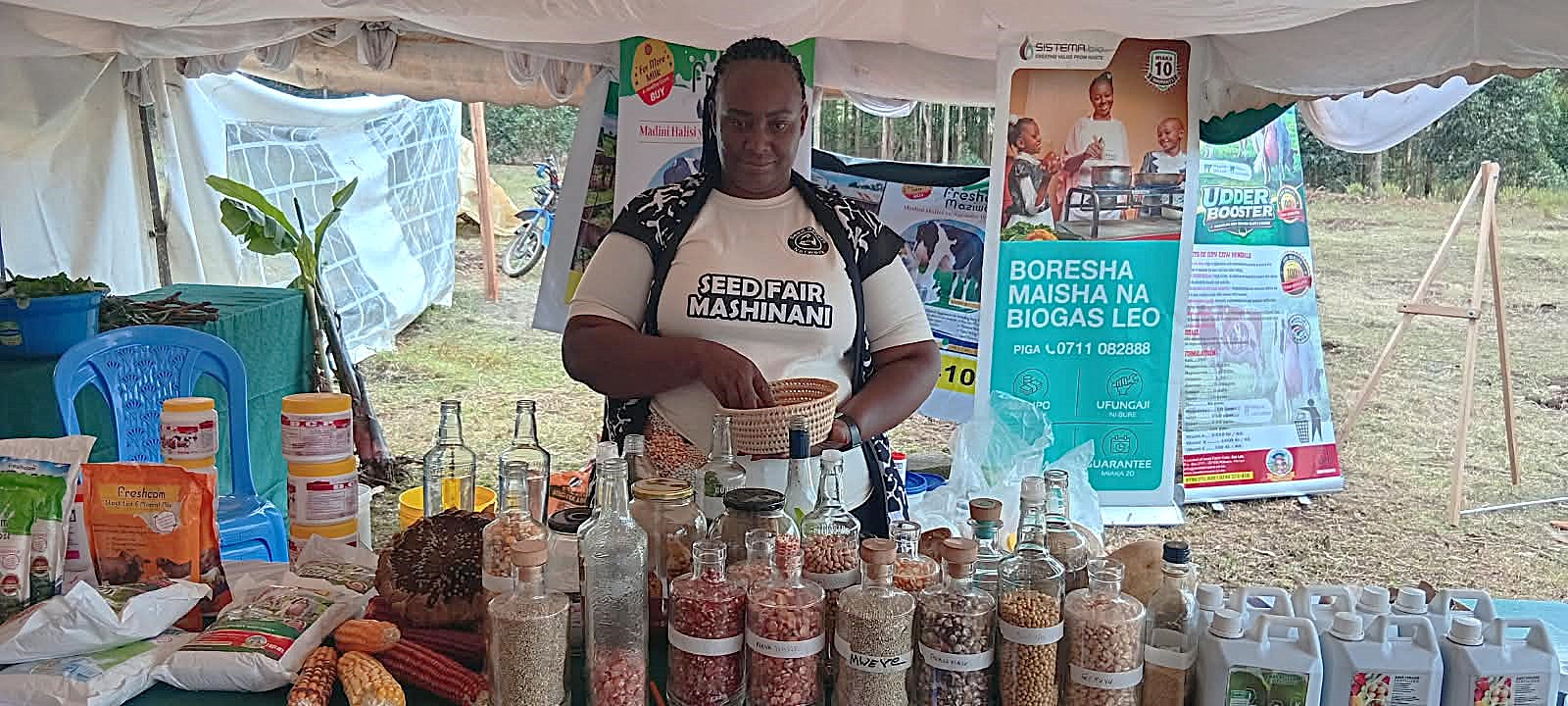
The World Bank has committed KSh5.55 billion to support Kenyan SMEs investing in climate-friendly technologies through the KDC Green Investment Fund. The initiative targets sectors such as electric mobility, green buildings, sustainable agriculture, and waste management. It aims to unlock private capital, create jobs, and accelerate Kenya’s transition to a low-carbon economy.
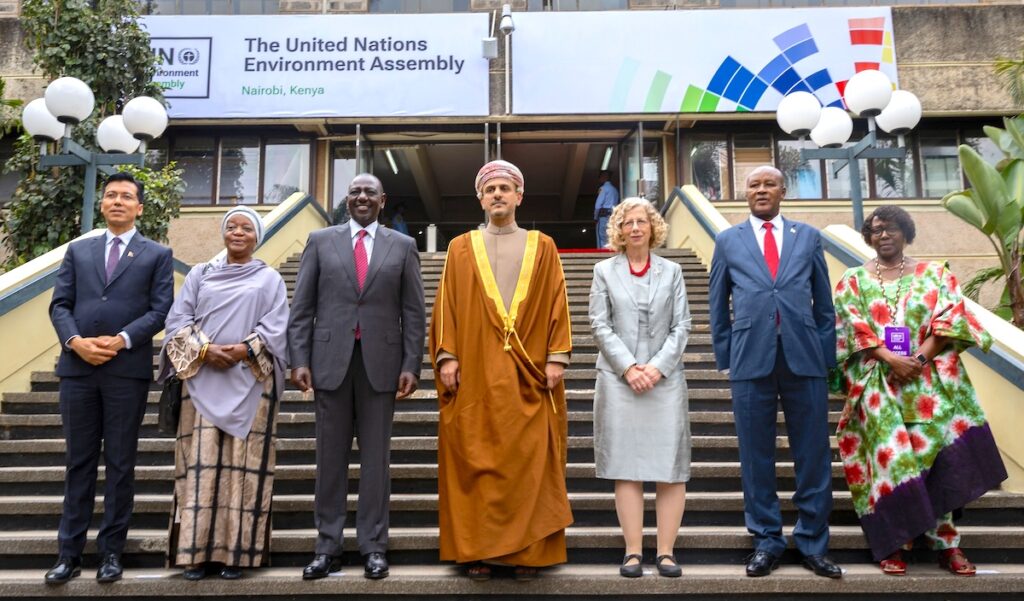
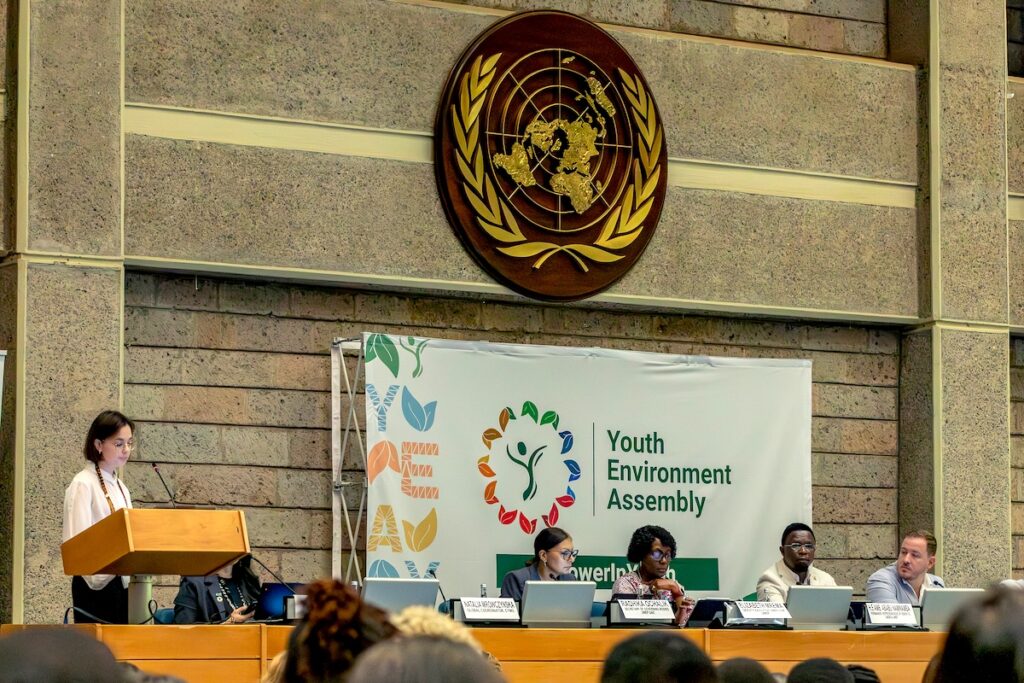
Kenya's State Department for Environment and Climate Change is spearheading a major policy overhaul in 2026, focusing on carbon markets, e-waste management, and wetland restoration to drive sustainable growth and enhance climate resilience.
The world is nearing the 1.5°C climate threshold, with WMO data confirming that 2025 averaged 1.48°C above pre-industrial levels, marking three consecutive years of record heat. Climate extremes are no longer rare, but a new global reality. For Kenya, this warming trajectory threatens food security, water resources, and public health, underscoring the urgency of climate-resilient action.
Ruai residents are sounding the alarm as industrial pollution and failing sewer infrastructure threaten to derail the KSh 50 billion Nairobi River clean-up. Despite government efforts, toxic emissions and illegal dumping continue to spark a health crisis in the area.
Mombasa County has officially closed the Tudor Manyimbo dumpsite, ending decades of open dumping in the heart of Tudor Ward. The move follows the operationalisation of a material recovery facility, signalling a shift toward safer, recycling-based urban waste management.