
By Seth Onyango in Antalya, Türkiye
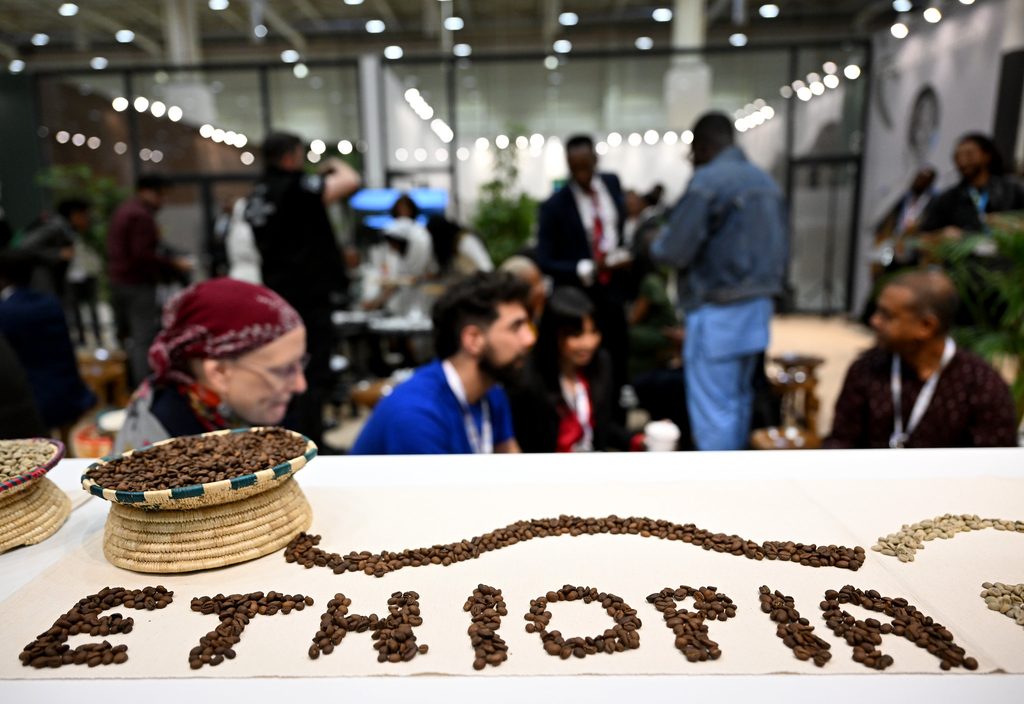
Africans are hard to miss at COP31. Colourful fabrics, flowing traditional robes and the rich aroma of Ethiopian coffee have brought a distinctly African flavour to the Turkish Mediterranean coast.
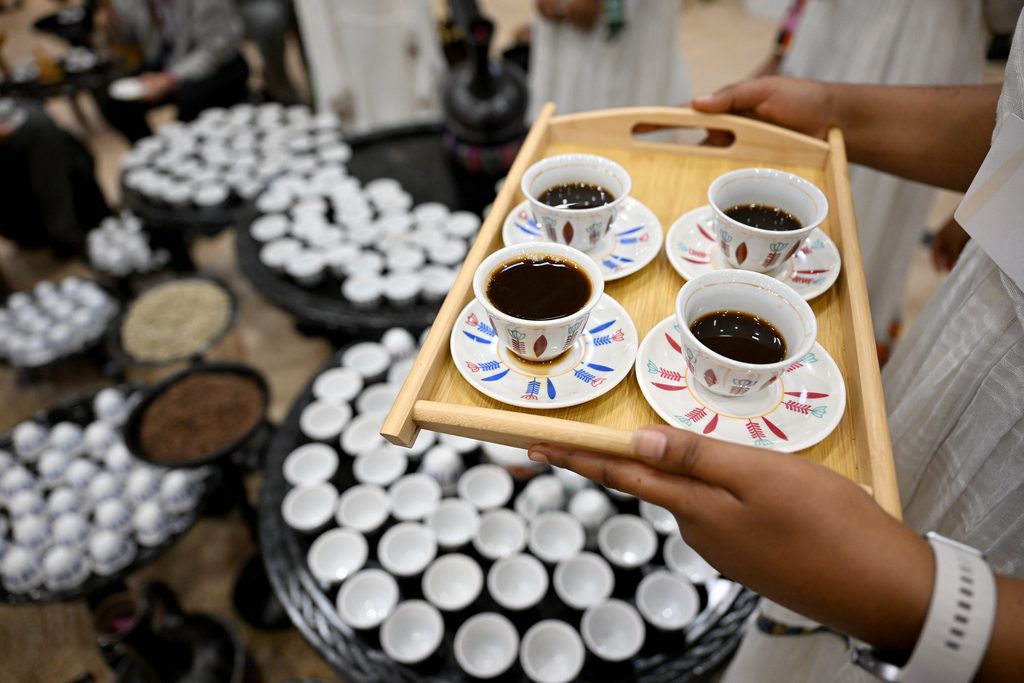
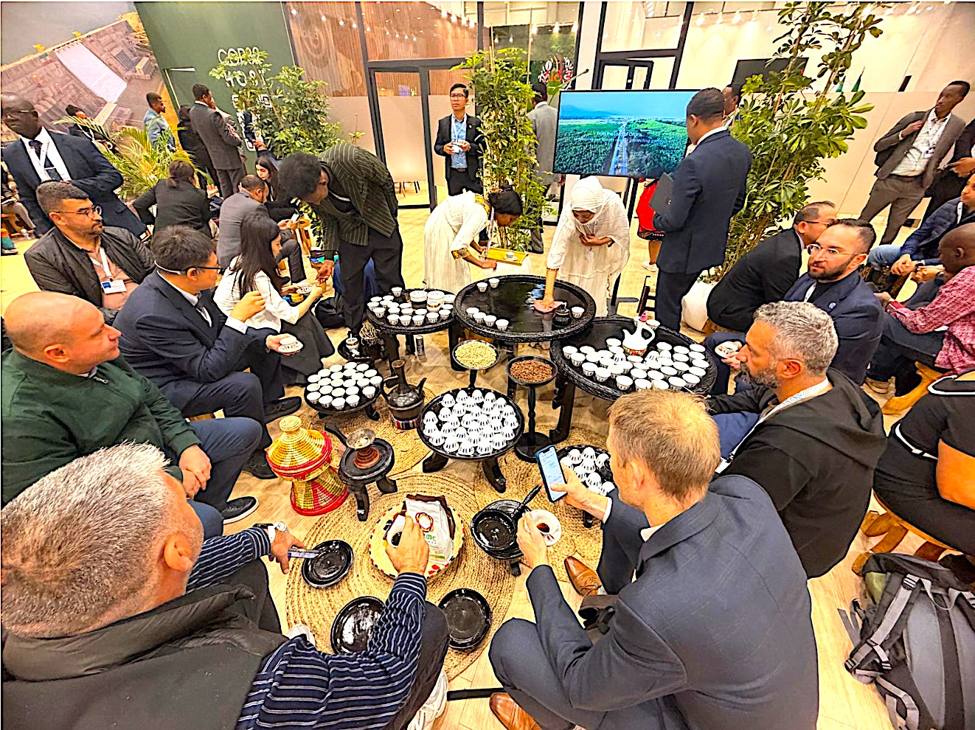
Across the summit venue in Antalya, African delegates are making their presence felt, from national pavilions to negotiating rooms. Ethiopia has gone a step further, bringing traditional stools, utensils and coffee pots to offer visitors a taste of the country ahead of its turn to host COP32 in Addis Ababa next year.
Beyond the cultural displays, however, Africa has a bigger message: its natural resources, energy needs and industrial ambitions must have a central place in shaping the global energy transition.
Cobalt from the Democratic Republic of Congo (DRC), manganese from South Africa and Gabon, lithium from Zimbabwe, and graphite from Mozambique and Tanzania are featuring prominently in conversations about Africa’s economic future.
These minerals are essential to electric vehicle batteries, energy storage systems and other technologies driving the transition away from fossil fuels, and African governments want to move beyond exporting raw materials towards processing, manufacturing and retaining more economic value at home.
The DRC and Zambia are pursuing cooperation on battery production and electric vehicle supply chains, while Zimbabwe has introduced measures to encourage domestic lithium processing.
At the Ethiopian pavilion, traditional jebena coffee pots, decorative pieces and stools have transformed the space into a small showcase of Ethiopian culture. The pavilion was opened by Foreign Minister Gedion Timothewos, the incoming COP32 president, and Finance Minister Fitsum Assefa, who will serve as chief negotiator.
Addressing the COP31 plenary, Timothewos called for stronger international cooperation, faster implementation of existing climate commitments and action to close financing gaps.
Ethiopia is also using the summit to showcase its renewable energy ambitions, climate-resilient agriculture and Green Legacy tree-planting programme. Its substantial hydropower resources feature prominently in plans to expand electricity generation and attract manufacturing investment.
COP32 will bring the annual negotiations back to Africa for the first time since Egypt hosted the summit in 2022.
Inside the negotiating rooms, however, Africa’s cultural warmth has not softened its position on climate finance. The African Group of Negotiators, chaired by Ghana’s Nana Dr Antwi-Boasiako Amoah, has been pushing for progress on adaptation finance, the just transition and resources to implement national climate commitments.
African countries want clarity on the commitment made at COP30 in Belém to at least triple adaptation finance for developing countries by 2035. They are seeking answers on funding sources, delivery arrangements and accountability.
Though a proposal for a dedicated adaptation finance agenda item failed to secure consensus during the opening negotiations in Antalya, African negotiators have indicated they will continue pursuing the issue through other channels.
The Green Climate Fund’s future financing is another concern, particularly as governments struggle with debt repayments while trying to protect communities from floods, droughts and other climate impacts. African countries are also seeking discussions on climate-related trade measures, which could impose additional costs on manufacturers seeking access to international markets.
Away from the finance negotiations, South African doctor and climate-health advocate Dr Nompumelelo Nkosi-Ntombela was following discussions on another growing concern: the effect of extreme heat on essential medicines. At a Health Day panel, she highlighted the importance of protecting medicines and diagnostic products from high temperatures and humidity.
Unitaid has announced a US$10.9 million programme, SHIELD, to investigate the heat stability of health products, including medicines for HIV, tuberculosis and malaria. Research will cover Kenya, Nigeria, Senegal and India, with findings validated in South Africa and Brazil between 2027 and 2030.
The project will examine how storage and transport conditions affect product quality, potentially informing improvements in packaging, temperature monitoring and medical supply chains. “Climate change is a health conversation too,” Nkosi-Ntombela said, calling for greater involvement of women and young people in climate and health programmes.
Civil society organisations are meanwhile pressing for climate finance that does not deepen developing countries’ debt burdens. Greenpeace Africa is among the groups advocating grant-based funding, faster renewable energy deployment and greater accountability for major polluters.
In an open letter ahead of COP31, more than 120 civil society organisations also called for increased public climate finance, including grants and concessional funding for developing economies. They want resources to reach community energy providers, smaller enterprises and local organisations, alongside stronger protections for communities affected by mineral extraction.
As the negotiations continue until November 20, Africa’s priorities are becoming increasingly interconnected: access to electricity, mineral processing, industrial development, adaptation and affordable climate finance.
The continent wants to supply more than the raw materials for the global energy transition. It wants the electricity, factories, technology and investment needed to build industries around those resources.
At the Ethiopian pavilion, the coffee ceremony offers a preview of the next African-hosted summit. The harder conversations about who finances the transition, and who benefits from it, will follow delegates to Addis Ababa.
The article has been republished from Bird Story Agency: https://agency.birdstoryagency.com/stories/colours-coffee-and-hard-bargaining-as-africa-makes-its-mark-at-cop-31?locale=en