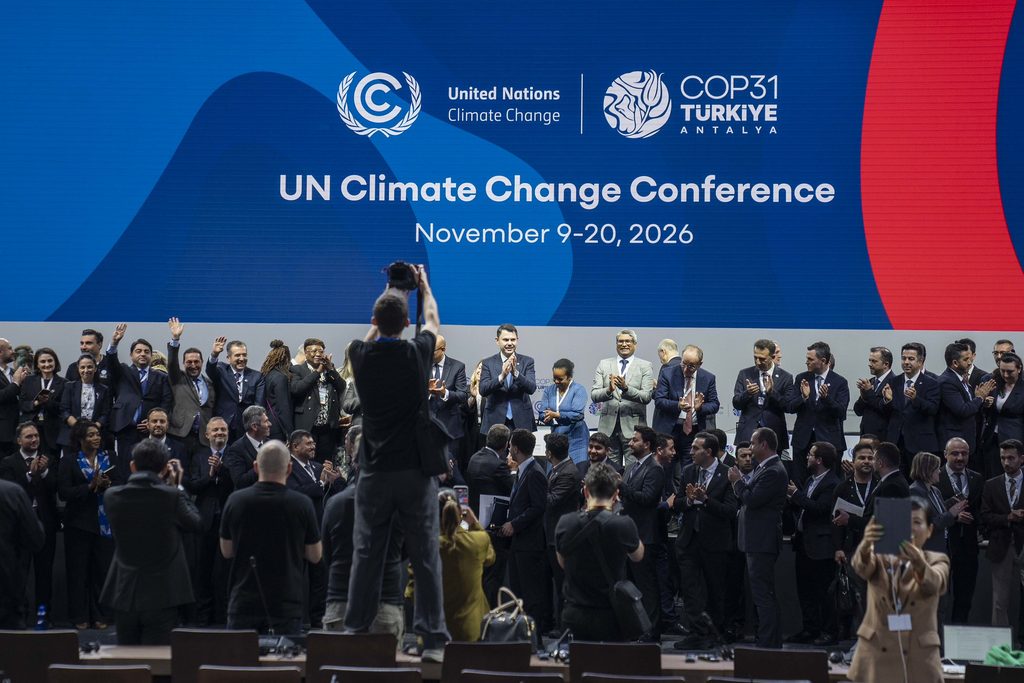
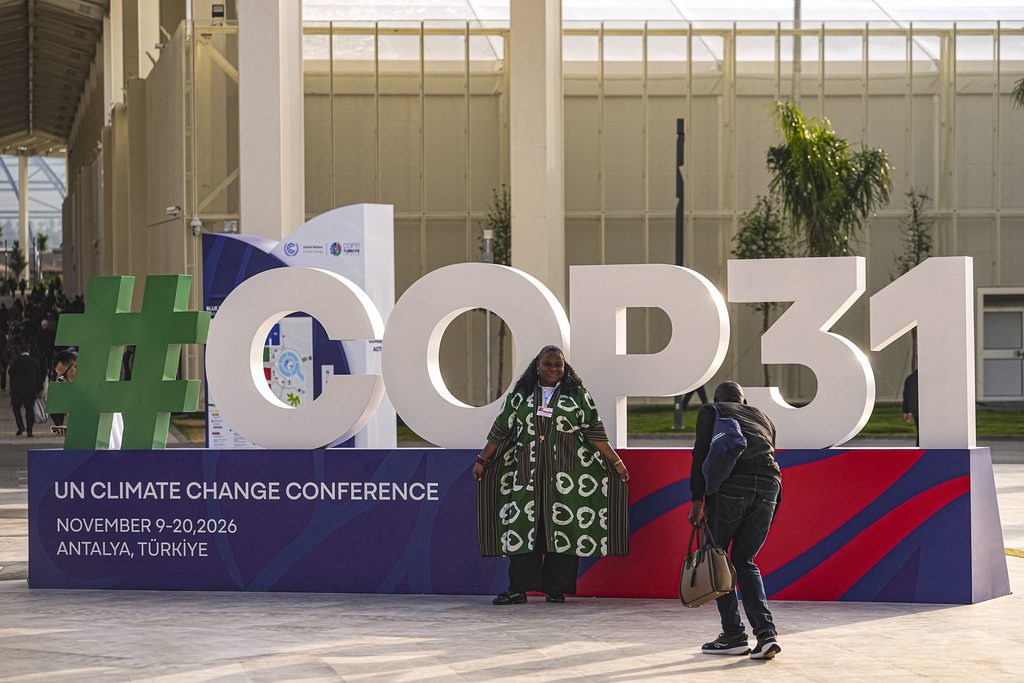
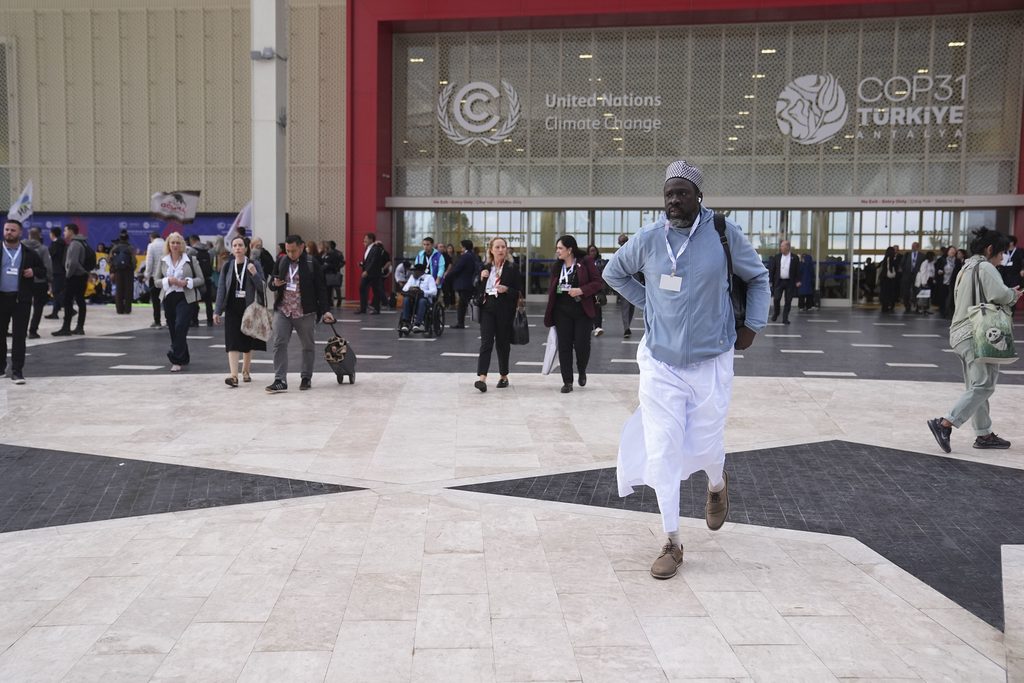
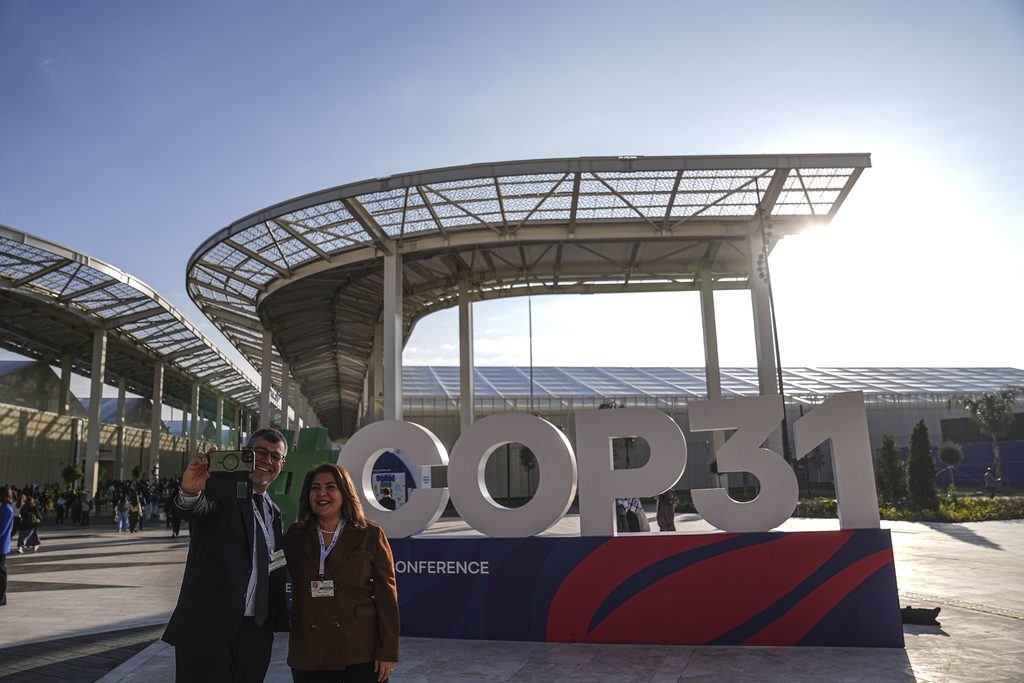
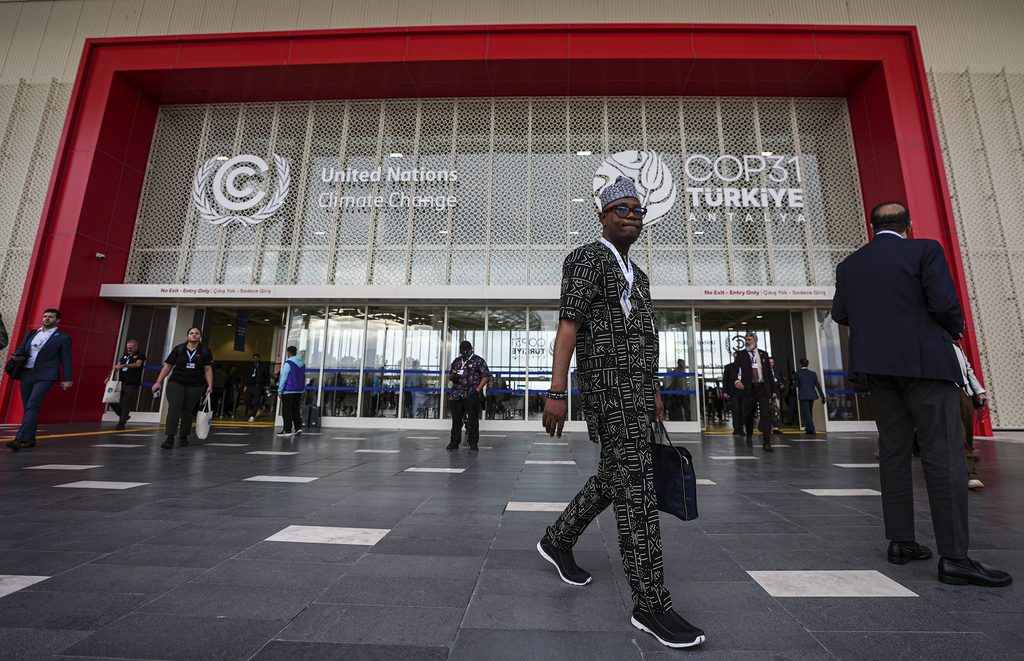
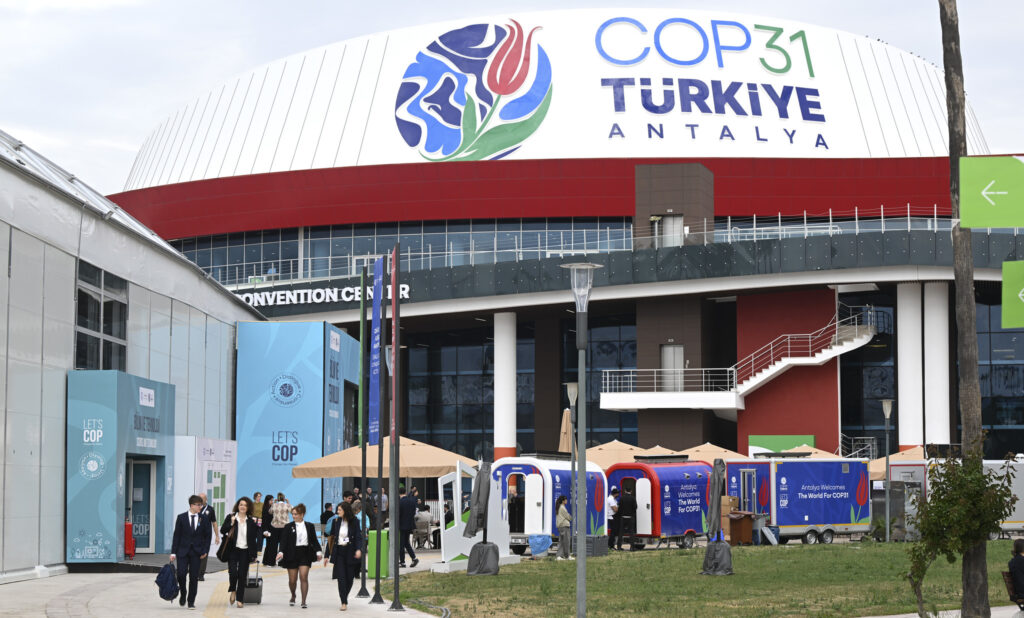
COP31 climate negotiations collapsed after countries failed to agree on a final deal, exposing deep divisions over fossil fuels, climate finance and global climate action.
The EU has rejected calls for new climate finance commitments at COP31, insisting that existing pledges must first be delivered as African nations push for increased funding to address growing climate adaptation needs.
The second draft of the COP31 cover decision has dropped references to transitioning away from fossil fuels and removed a proposed $120 billion annual adaptation finance target, raising concerns over weakened climate commitments and support for vulnerable countries.
Africa’s energy transition must prioritise affordable and reliable electricity, ensuring that clean energy benefits reach households, schools and underserved communities rather than remaining policy targets and investment pledges.
African governments and development partners are calling for increased climate finance to strengthen water security, improve early warning systems and protect communities from droughts and floods ahead of COP32 in Ethiopia.
Africa receives just 27% of the climate finance it needs annually, as high borrowing costs, currency risks and limited access to affordable funding deepen the continent’s climate financing gap. At COP31, African leaders and financial experts called for urgent reforms to unlock investment.