According to National Environment Management Authority (NEMA) Director General Mamo B. Mamo, the Kenyan government is accelerating the development of three key regulations to activate carbon markets. Following the recent Climate Change Act of 2016 amendment, governance measures for both carbon markets and non-markets have been established.
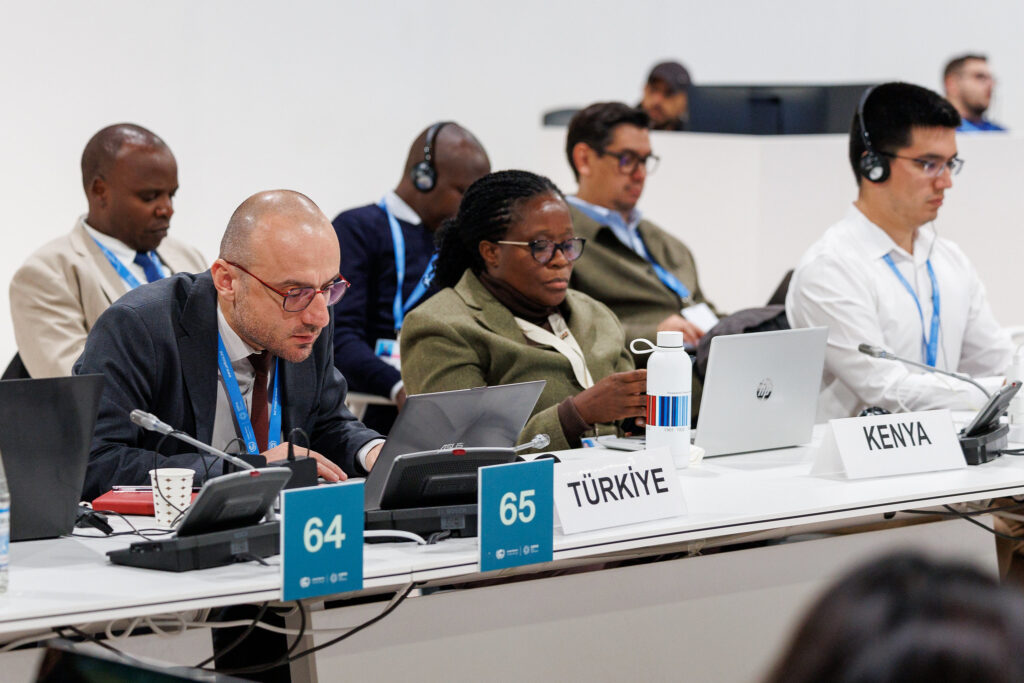
The recent endorsement of global carbon market standards under Article 6.4 during COP29 in Baku marks a significant development in climate finance and carbon emissions trading, especially beneficial for developing countries like Kenya. This standard allows countries to trade carbon emission reductions, aiming to accelerate the implementation of climate action plans through financial support and accessible carbon markets.
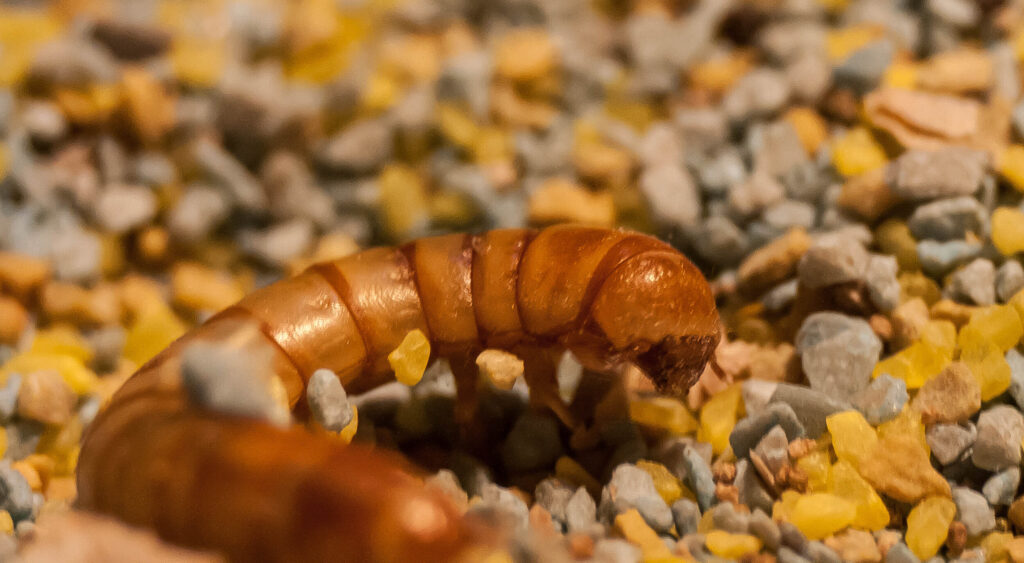
Researchers at the International Centre of Insect Physiology and Ecology (ICIPE) in Nairobi have discovered a natural solution to the plastic pollution crisis. Their latest study reveals that bacteria in the gut of mealworms can digest plastic, breaking it down into simpler, less harmful substances.
The Center for Environment Justice and Development (CEJD), in collaboration with the Heinrich Böll Foundation, recently hosted a media roundtable to discuss the ongoing Intergovernmental Negotiating Committee (INC) process for the global treaty on plastic pollution. This treaty negotiation will take place in South Korea later this month.
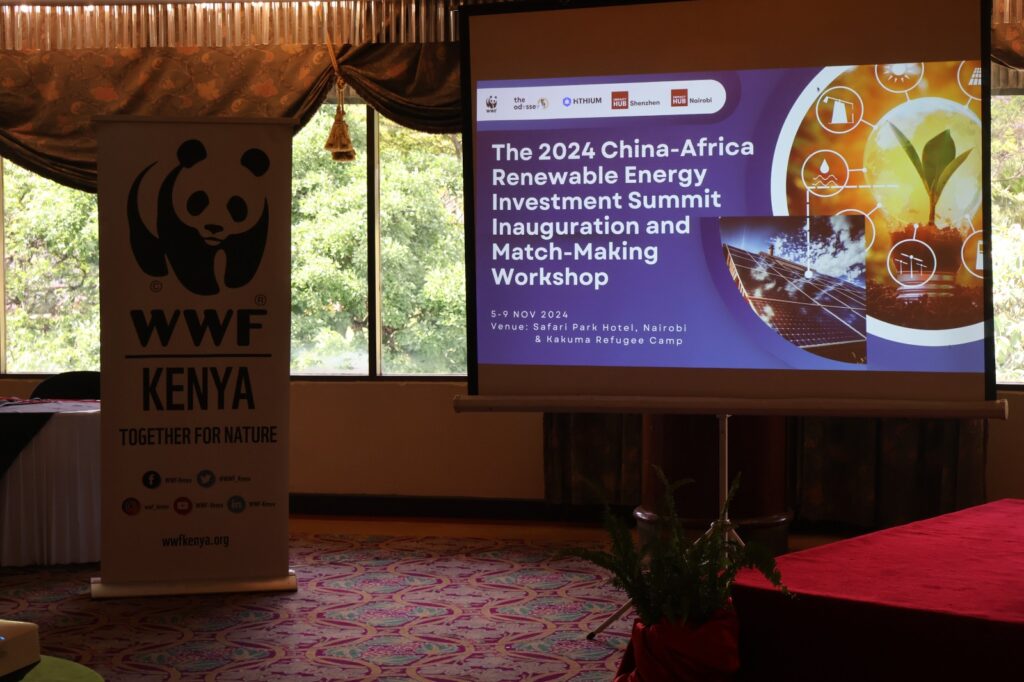
The inaugural 2024 China-Africa Renewable Energy Investment Summit convened investors and renewable energy stakeholders from several African countries, including Rwanda, Zambia, Zimbabwe, Kenya, and Uganda. The summit aims to leverage Africa's vast clean energy potential by creating scalable models for renewable energy financing on the continent.
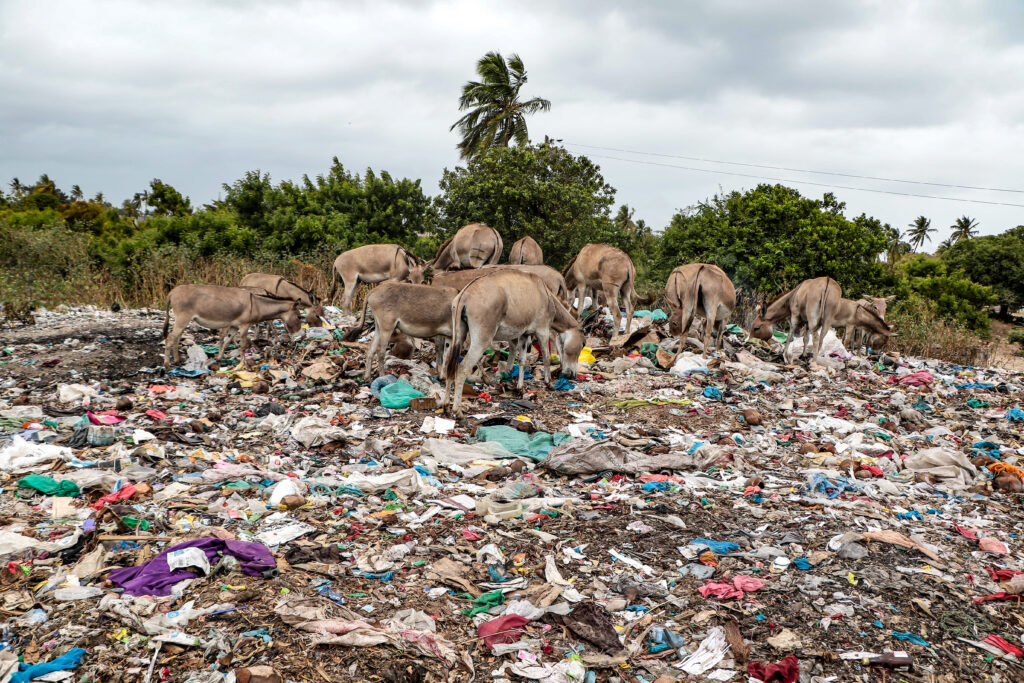
The donkeys of Lamu now face serious threats that jeopardize their well-being and, consequently, the town’s heritage. Mistreatment, exposure to plastic waste, and other harmful substances are rampant as these animals roam freely, often found rummaging through garbage dumps.
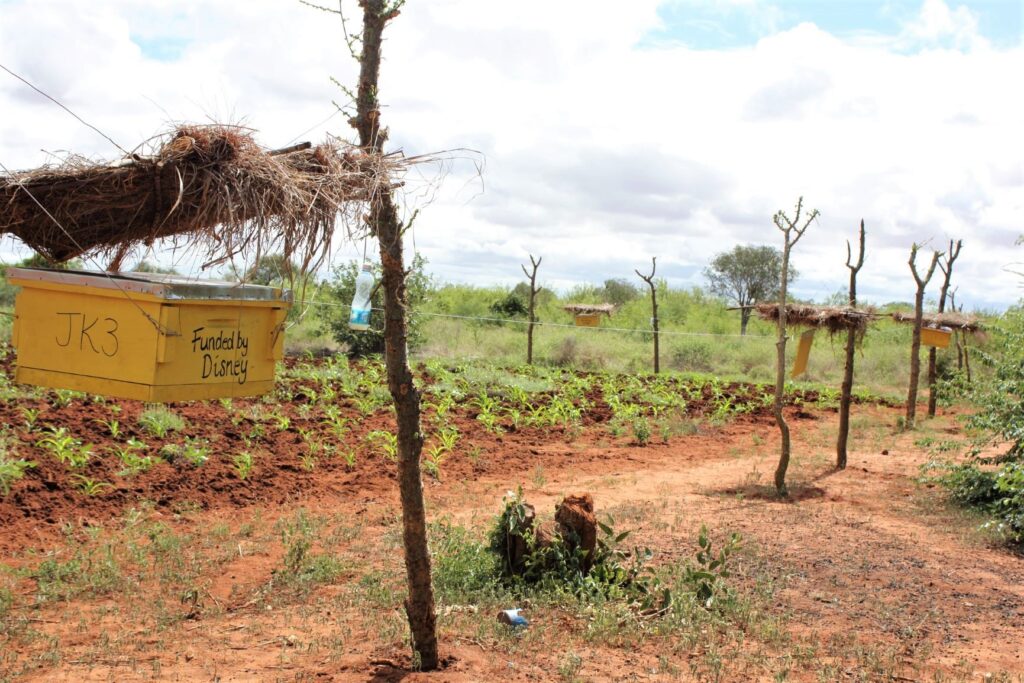
These innovative fences, which house live honey bees, have been shown to reduce elephants' destruction of small-scale farms by an astounding 86%, offering significant relief to local farmers and enhancing their livelihoods.
A groundbreaking report by Oxfam International, " Carbon Inequality Kills, " shows that the high carbon emissions of the world’s 50 richest people are worsening hunger, poverty, and deaths.
Kenya has emerged as the leading country in East Africa regarding per-capita consumption-based carbon emissions. According to recent data, the average Kenyan lifestyle contributes approximately 0.6 tonnes of carbon dioxide (tCO₂) per person annually.