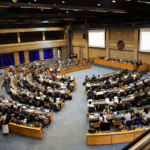

From the arid plains of Kajiado to the decision-making halls of Nairobi, a powerful new dialogue is unfolding. This conversation is placing the lived experiences of Maasai women at the very heart of Kenya’s national climate policy.
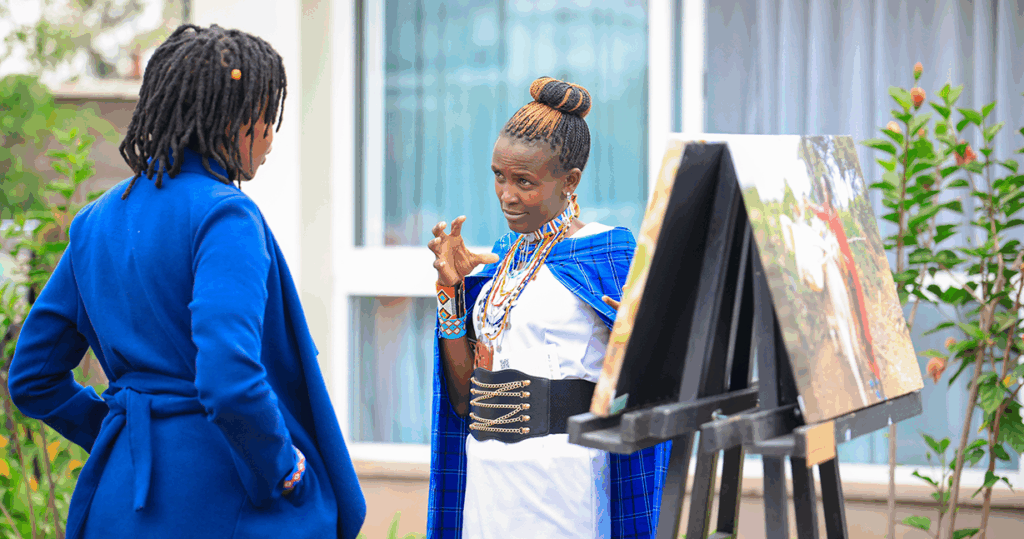
A recent policy dialogue brought national decision-makers face-to-face with these women. The goal was to discuss the harsh realities of climate change as experienced on the ground in their community.
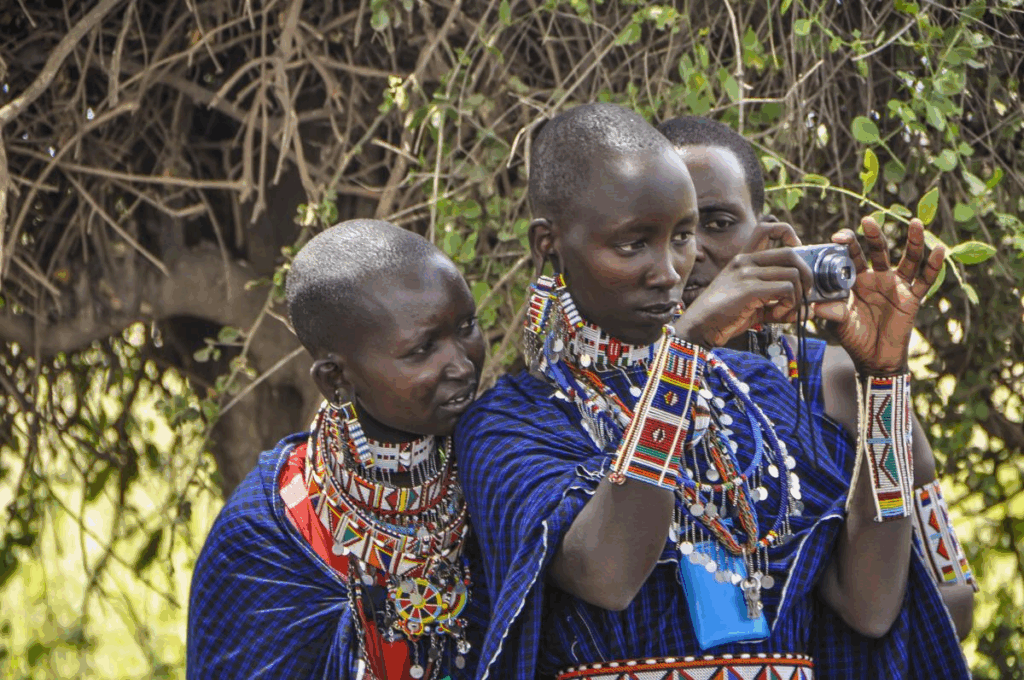
The women shared their visions of resilience through a unique project called “Envisioning Resilience Kenya”. Using photography and compelling storytelling, they turned personal struggles into policy input.
Their stories paint a vivid picture of the severe effects of climate change on local livelihoods. They speak of unpredictable harvests and the resulting increase in household stress.
The women detailed the necessity of switching from traditional maize to more resilient crops like cassava. This adaptation, however, comes with a cost, as cassava takes much longer to mature.
Beyond agriculture, climate-related disasters bring other dangers. The women highlighted increased risks of gender-based violence and disruptions to their children’s education.
These personal narratives are now directly feeding into Kenya’s national climate action strategies. This marks a crucial shift from top-down planning to community-centric policy.
The initiative directly supports the National Climate Change Action Plan (NCCAP III 2023-2027). This plan emphasizes integrating local knowledge into climate action and community-level solutions.
The Maasai women of Kajiado are proving to be critical in Kenya’s greening and adaptation bids. They reinforce the idea that climate adaptation is a national responsibility, not just a government agenda.
Their efforts echo the spirit of innovation seen in other parts of Kenya. For instance, the Wagalla women in Wajir found a way to thrive amidst drought.
As documented by Neville Ng’ambwa, these women taught themselves to ferment milk into yogurt. This extended the shelf life of their product, creating a sustainable income source despite the harsh climate.
The Kajiado women’s struggle and their innovative adaptations are now being heard where it matters most. Their voices are shaping Kenya’s official climate change and health strategies.

One woman’s story, perhaps of a failed maize crop and the long wait for cassava, is no longer just a personal tragedy. It is now a data point driving national policy reform.
This human-interest focus moves the conversation beyond abstract rhetoric to tangible, community-centric actions. It shows that effective climate policy must be rooted in the experiences of those most affected.
The “Envisioning Resilience” project is a powerful model for the rest of Africa. It demonstrates how visual storytelling can be a vital tool for dialogue and policy change.
By empowering women to document their own climate impacts, the project ensures their perspectives are not just heard, but actively inform the country’s adaptation planning.
This is a new chapter for Kenya, one where resilience is built from the ground up. The women of Kajiado are not just surviving the climate crisis; they are leading the nation’s response to it.
Their courage and ingenuity in the face of adversity are a testament to the power of local knowledge. Their stories are the foundation of a more robust and equitable climate future for all of Kenya.