
The world is on track to surpass the 1.5°C warming threshold meant to protect humanity from the most dangerous impacts of climate change, the UN Environment Programme (UNEP) has warned.
In its newly released Global Environment Outlook 2025—described as the most comprehensive environmental assessment ever undertaken—UNEP presents a stark picture of escalating climate disasters, accelerating biodiversity loss, land degradation, and worsening pollution.
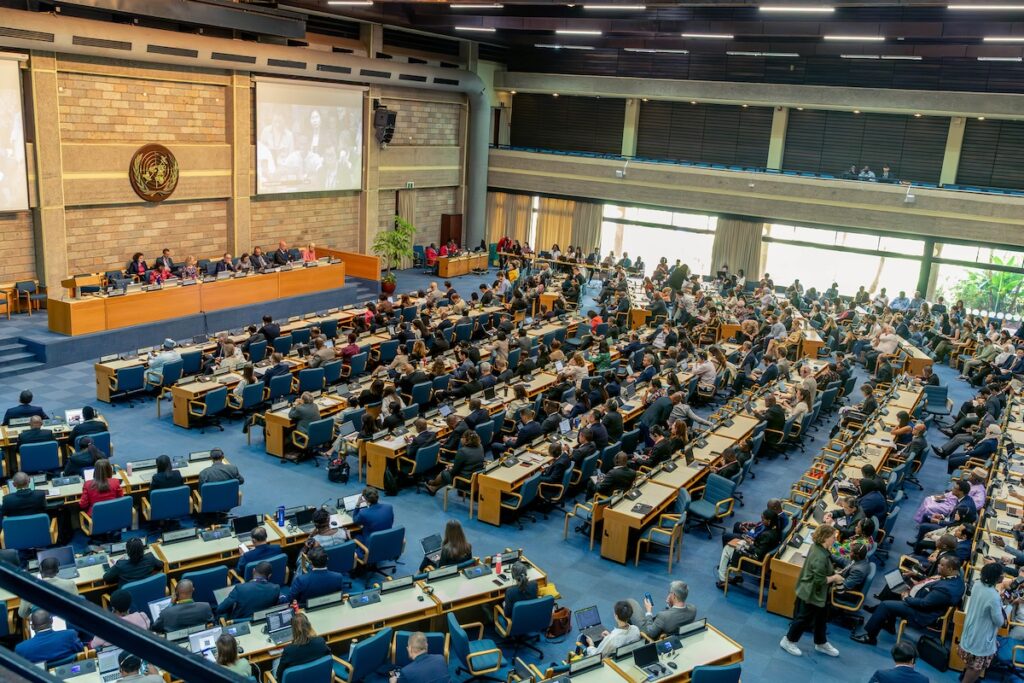
The report was unveiled in Nairobi during the UN Environment Assembly (UNEA-7), reinforcing the urgency for nations, particularly those most vulnerable such as many in Africa, to fundamentally rethink how they power their economies, grow food, manage land, and handle waste.
According to the assessment, current global efforts remain fragmented and insufficient. Scattered treaties, weak national commitments, and slow political action are failing to match the scale of the crisis. UNEP stresses that only deep, systemic transformations can avert catastrophic outcomes.
The report also emphasizes the economic promise of such systemic change. UNEP estimates that a whole-of-society shift toward clean energy, circular economies, sustainable agriculture, and ecosystem restoration could unlock up to USD 20 trillion in annual economic benefits by 2070, rising to more than USD 100 trillion later in the century.

Robert Watson, co-chair of the assessment and a former NASA and UK government climate scientist, underscored the “crucial” role of businesses, particularly where political leadership is lagging. He argued that private-sector innovation and investment could accelerate climate action even in the absence of strong multilateral progress.
The report arrives at a time of faltering global cooperation. Negotiations in Geneva for a global plastics treaty collapsed, while the recent UN climate conference in Brazil failed to secure stronger emission-reduction commitments. Scientists warn that geopolitical tensions and a resurgence of climate denial among some leaders are pushing the world even further off track.
UNEP also highlights the importance of diverse knowledge systems, including Indigenous and local knowledge, which have been central to ecosystem restoration, biodiversity protection, and community resilience. It calls for strengthened collaboration among governments, the private sector, civil society, Indigenous Peoples, and multilateral institutions to design integrated, bold solutions.
The overriding message of the Global Environment Outlook 2025 is clear: avoiding a devastating future will require urgent, coordinated, and transformative action at every level of society.