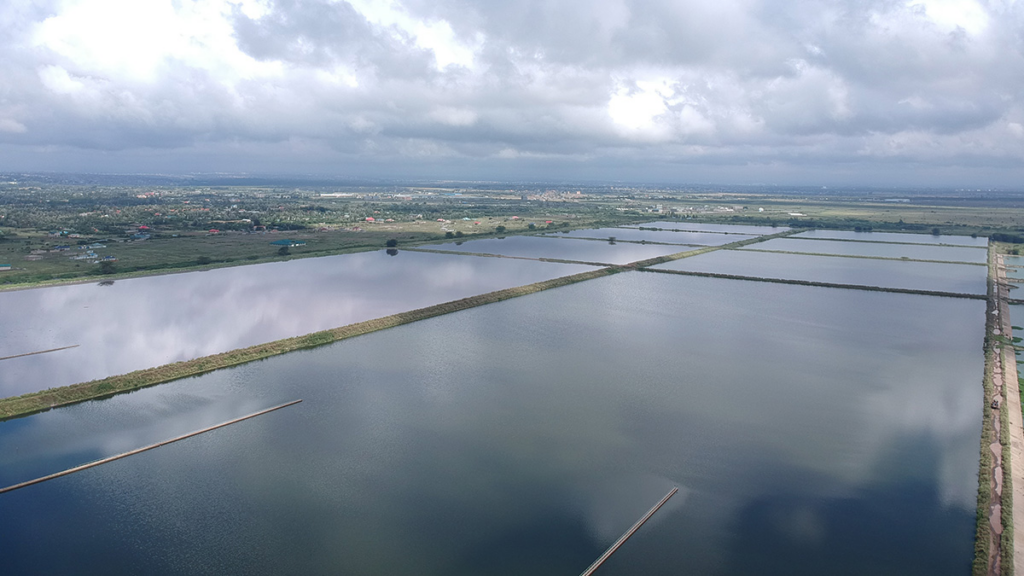

The ambitious KSh 50 billion Nairobi River Regeneration Programme, launched by President William Ruto in March 2025, faces a critical test in Ruai. Residents near the Ruai Sewer Plant and Nairobi River report that unchecked industrial dumping and malfunctioning treatment infrastructure are systematically undoing clean-up efforts.
Despite high-level political commitment and multi-agency riparian demarcation since late December 2025, the reality on the ground remains grim. Community members describe a landscape where the promise of a restored ecosystem is choked by industrial effluent and toxic methane emissions.
The air, once clear, is now thick with the stench of waste. This has led to a documented surge in respiratory illnesses, including asthma and chronic bronchitis, severely impacting public health.
The Green Hummingbird Foundation, a local environmental advocacy group, amplifies the community’s voice. They demand the government move beyond symbolic gestures and enforce strict compliance on 145 previously identified major polluters.
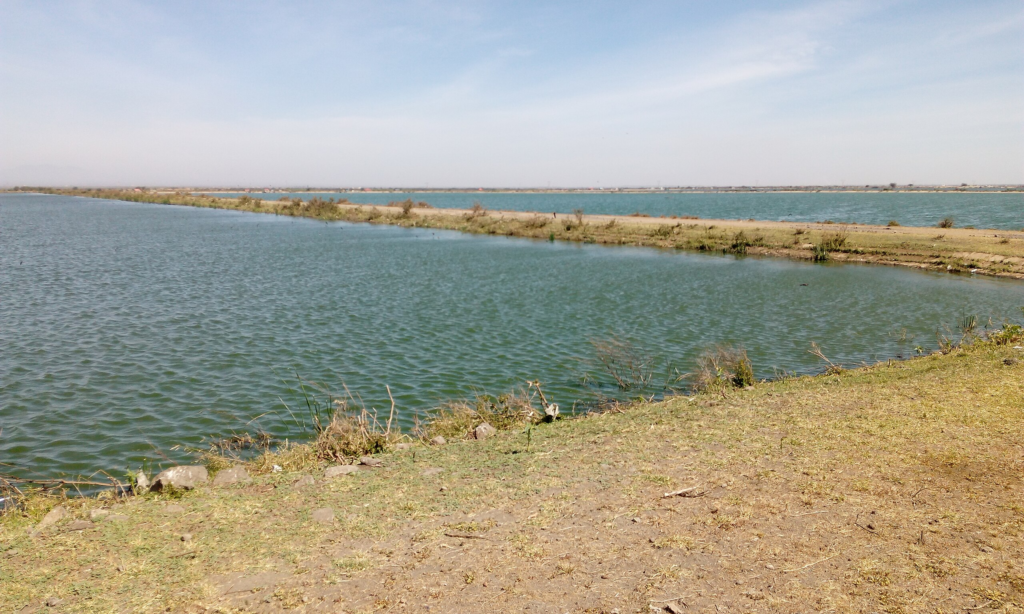
These facilities, ranging from manufacturing plants to processing units, are accused of bypassing treatment protocols. They allegedly discharge raw waste directly into the river’s tributaries, exacerbating the pollution crisis.
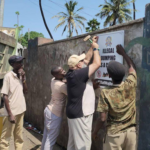
“We are seeing a disconnect between policy in Nairobi’s boardrooms and enforcement in Ruai’s industrial corridors,” noted a foundation representative. This statement was made during a community tree-planting exercise.
The situation in Ruai underscores a broader challenge for Kenya’s urban environmental management. While the Nairobi Rivers Commission intensifies riparian reclamation, “end-of-pipe” pollution remains largely unaddressed.
Experts warn that without fixing malfunctioning sewage treatment plants, which operate below capacity, billions invested in the regeneration programme risk being wasted. The next tide of industrial waste could wash away progress.
As the government enters the second year of the regeneration project, Ruai residents call for a strategic shift. Their demands are clear: immediate repair of sewer plant infrastructure, 24-hour monitoring of industrial discharge points, and prosecution of repeat offenders.
For the people of Ruai, the Nairobi River’s restoration is more than national pride. It is a fundamental requirement for their survival and the health of future generations.