
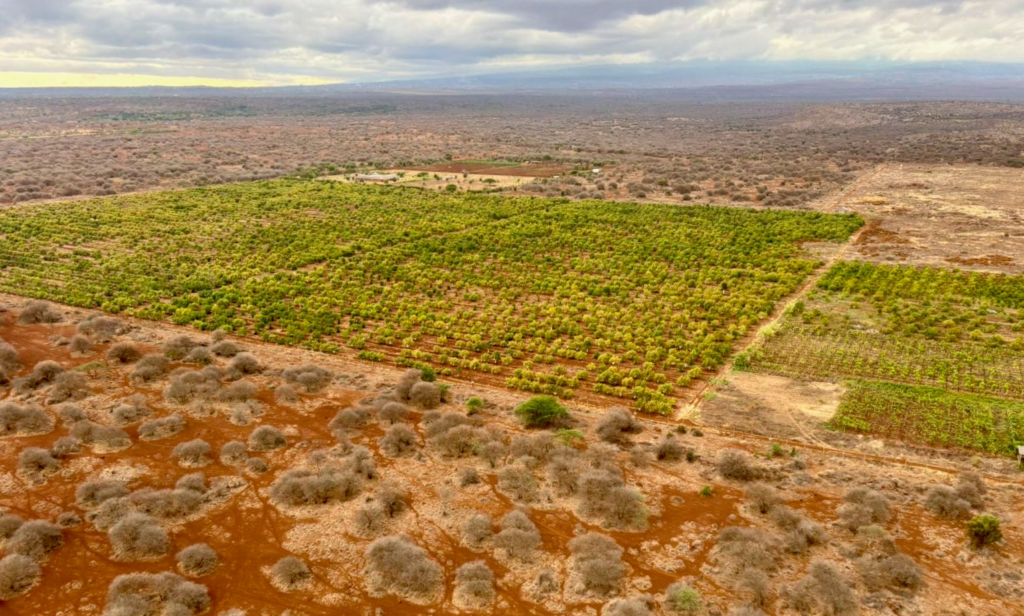

The Supreme Court has dismissed the latest attempt by KiliAvo Fresh Ltd to continue large-scale avocado farming on a 180-acre parcel of land within a critical wildlife and livestock zone in Kajiado County.
The January 30, 2026, decision marks the fifth consecutive court defeat for the company, which has been locked in litigation since 2021 in a bid to overturn a 2020 National Environment Management Authority (NEMA) order revoking its operating licence.
The licence was withdrawn after serious concerns were raised about the integrity of the company’s Environmental Impact Assessment (EIA), and the potential harm its operations posed to water resources, biodiversity, pastoral livelihoods, and the broader Amboseli landscape.
The contested farm sits near Amboseli National Park, which is home to 2,000 elephants alongside a rich array of other wildlife and supports tourism that benefits local communities and the national economy.
Local communities, through the Amboseli Land Owners Conservancies Association (ALOCA), have opposed the farm because it violates collectively agreed land-use plans that align with what the land and water can sustainably support, including livestock grazing, wildlife corridors, and limited farming.
In its ruling, a five-judge bench led by Chief Justice Martha Koome held that the matter did not properly raise a constitutional question and therefore did not belong before the Supreme Court, effectively closing the door on KiliAvo’s latest legal challenge.
ALOCA Chairman Samuel Ole Kaanki welcomed the decision, terming it a victory for community-led conservation:
“This is a ruling against KiliAvo by the highest court in the land, the latest in a series of five separate court decisions that have gone against them. They should accept that their project has no future here, stop fighting the courts, and move on. We are not against business, and we welcome responsible development, but investors must understand that they can’t ignore land-use plans agreed by local landowners and approved by the government.”
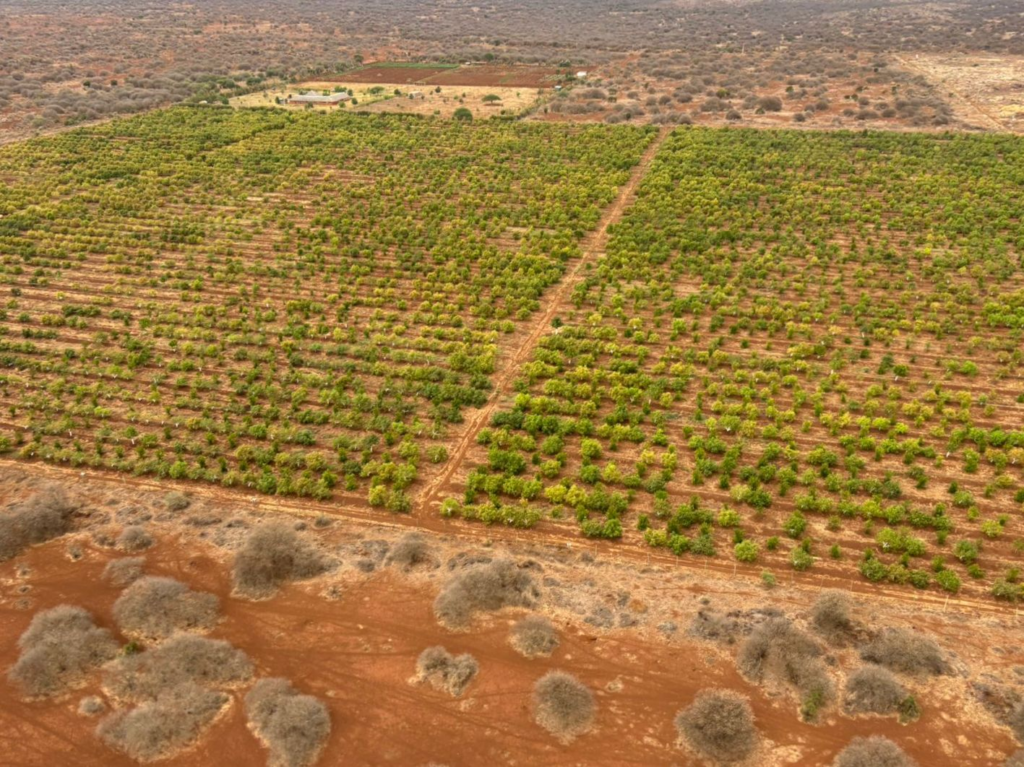
Benson Leiyan, Chief Executive Officer of Big Life Foundation, which works on conservation across the Amboseli landscape, described the ruling as part of a broader effort to protect the ecosystem from unsustainable development.
“The ruling marks another big win in Amboseli’s battle against illegal and unsustainable development. Faced with growing pressure on land, water, and wildlife, residents and the Kajiado County Government have taken the responsible step of agreeing on clear land-use plans to sustain the productivity of this landscape for future generations.”
ALOCA’s position is supported by a coalition of stakeholders, including the Kenya Wildlife Service, conservation organisations, tourism operators, and residents who depend on a healthy ecosystem for their livelihoods.
Across the wider Amboseli ecosystem, however, conservationists warn that similar conflicts are becoming more frequent with developers increasingly encroaching on land zoned for wildlife and livestock, seeking to establish crop farms in areas never intended for intensive agriculture. This trend is placing mounting pressure on an already fragile environment, threatening wildlife corridors, water sources, and the pastoral way of life that has coexisted with nature for generations.
Local leaders caution that if these patterns continue unchecked, the consequences could be severe, not only for elephants and other wildlife, but also for communities whose cultural identity, food security, and incomes are tied to the health of the Amboseli landscape.