

African wildlife populations have faced a severe 76% decline over the past five decades. This alarming statistic, highlighted by the WWF Living Planet Report 2024, underscores the urgent need for intervention. However, 2026 marks a pivotal year, ushering in major restoration initiatives across the continent.
The Wetlands Action Plan, launched on February 2, 2026, is a significant step forward. This three-year initiative strategically places wild animals at the core of wetland management throughout sub-Saharan Africa. The plan recognizes that thriving animal populations are crucial for the faster recovery of these vital ecosystems.
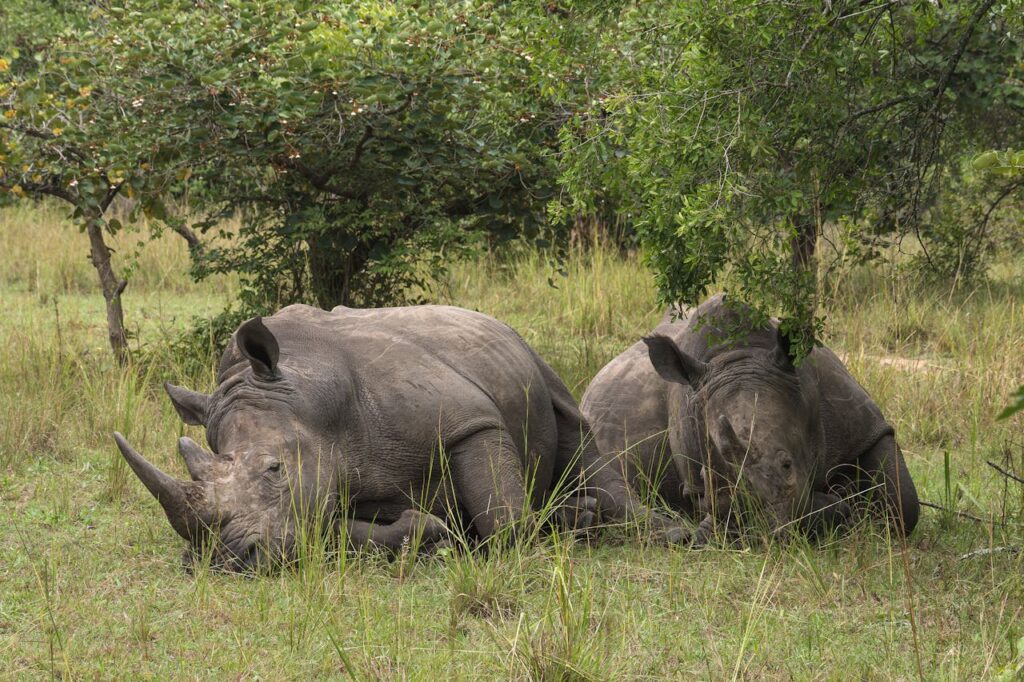
Kenya’s black rhino conservation efforts continue to yield remarkable success. The nation has now reached approximately 1,000 black rhinos, halfway to its ambitious 2037 goal of 2,000. This recovery is a testament to dedicated conservation work, especially considering the population once dwindled to fewer than 400.
In a landmark move during 2025/2026, conservationists completed Kenya’s largest-ever rhino tagging operation. Ninety rhinos in Tsavo West National Park were marked, significantly enhancing efforts to combat poaching and improve monitoring. This proactive approach is vital for safeguarding these critically endangered animals.
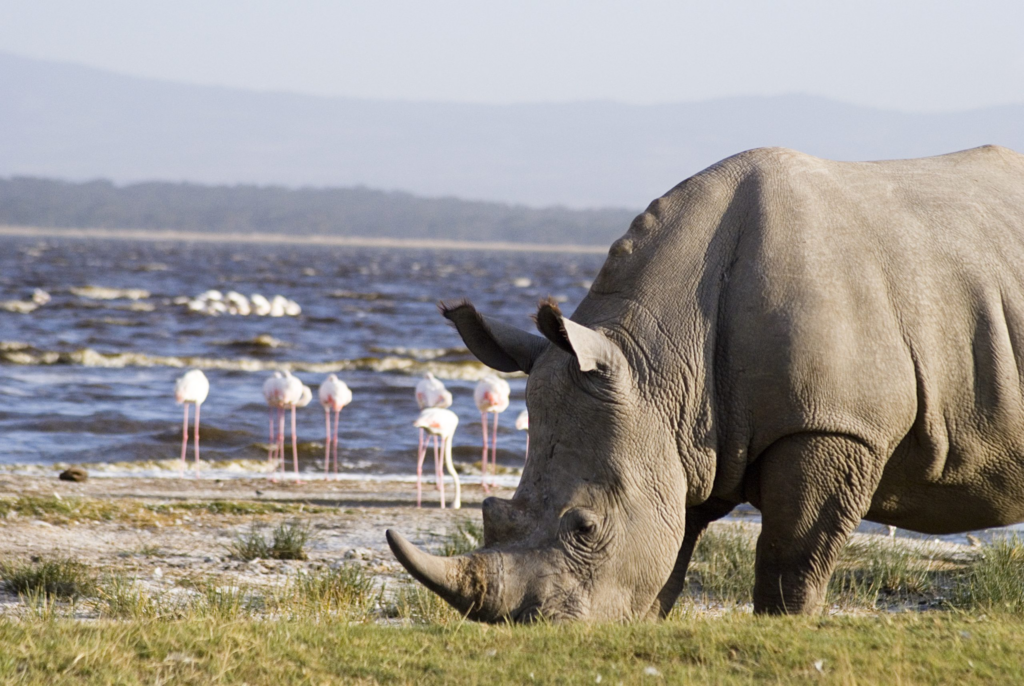
The establishment of Segera Conservancy as Kenya’s 18th rhino sanctuary further bolsters conservation. This expansion provides more protected habitats, easing overcrowding and promoting breeding among the growing rhino population. Such initiatives are critical for long-term species survival.
Beyond species-specific efforts, the concept of green corridors is gaining significant traction. These strips of land connect fragmented habitats, allowing wildlife to move freely and reducing human-wildlife conflict.
As climate change and human activities increasingly fragment natural landscapes, these corridors become essential. They enable animals to access new food sources and water, adapt to changing environments, and maintain genetic diversity. Initiatives like the Igando Igawa Wildlife Corridor and Kenya’s statewide connectivity mapping are crucial examples.
The overall trend, despite past declines, points towards a renewed commitment to conservation. The integration of wildlife into wetland management, successful rhino recovery programs, and the strategic development of green corridors collectively paint a hopeful picture for Africa’s biodiversity. These efforts are not just about protecting animals; they are about securing the health of entire ecosystems.
This concerted push for restoration and sustainable coexistence is setting the stage for a new era in African wildlife conservation. The continent is demonstrating that with dedicated action and innovative strategies, the catastrophic declines of the past can be reversed, paving the way for a thriving natural heritage.


Wildlife could become better when we integrate the into larger economies for sanctuaries. Making them closer to human lives will respond with better care.